world·Delhi·New Delhi District
India Pledges $1.6 Billion in Flood Relief for Nepal as Balendra Shah Visits New Delhi
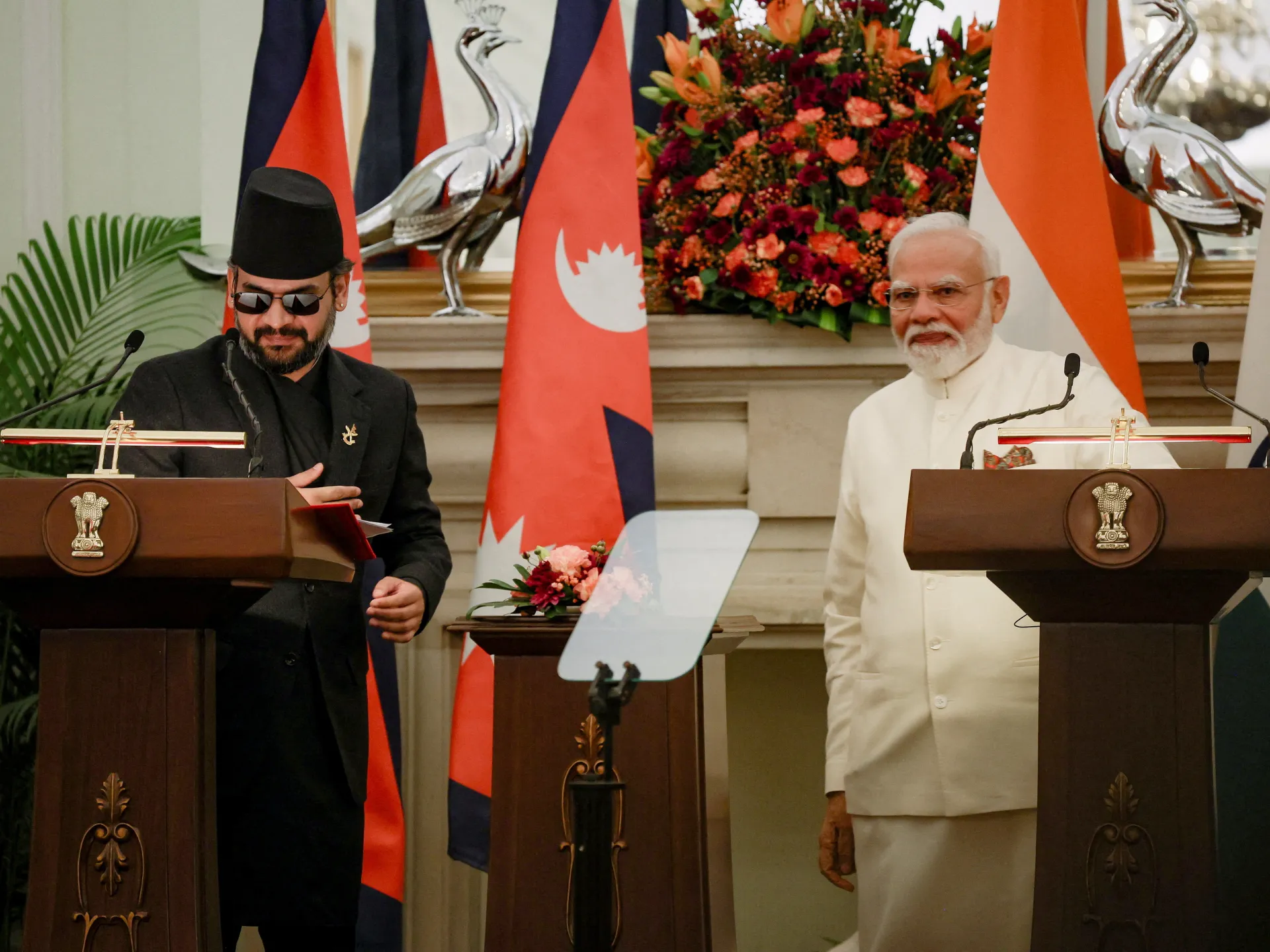
India has announced a $1.6 billion flood relief and development package for Nepal following talks in New Delhi between Prime Minister Narendra Modi and Nepalese Prime Minister Balendra Shah.
In this piece
India pledged $1.6 billion in flood relief and infrastructure credit to Nepal during Prime Minister Balendra Shah’s state visit to New Delhi. The agreement…
India has pledged $1.6 billion in flood relief and economic assistance to Nepal following high-level bilateral talks between Indian Prime Minister Narendra Modi and Nepalese Prime Minister Balendra Shah in New Delhi. The substantial assistance package is designed to support nationwide post-disaster reconstruction while broadening financial credit lines for essential cross-border infrastructure and energy projects. The announcement represented a major diplomatic milestone during Shah’s official state visit to India, marking his first bilateral foreign trip since taking office.
A key focus of the newly unveiled financial package is targeted humanitarian and rehabilitation assistance for communities affected by natural disasters. Nepal experienced catastrophic monsoon flooding and severe glacier-collapse events earlier this year, which caused heavy casualties, swept away settlements, and severely damaged highways and hydropower installations. The pledged financial support will provide critical resources to rebuild damaged homes, restore vital public utilities, and reinforce flood defenses in vulnerable river valleys.
In addition to emergency relief, the package allocates substantial financial backing through lines of credit dedicated to long-term energy and connectivity infrastructure. The two leaders reviewed ongoing power transmission initiatives and agreed to accelerate projects that enable cross-border power transmission between the neighboring nations. The upgraded transmission networks are expected to facilitate Nepal’s export of surplus hydroelectricity to India, boosting Kathmandu's export revenue and advancing clean energy goals across South Asia.
The bilateral summit also emphasized people-to-people connectivity and shared civilizational heritage through concrete transport links. Modi and Shah jointly flagged off the Saryu-Kamala Express, a cross-border passenger rail service linking Ayodhya in India with Janakpur in Nepal. Officials highlighted that the direct rail connection will make cross-border travel significantly more accessible for thousands of pilgrims and tourists visiting key cultural and religious centers.
During his visit to the Indian capital, Prime Minister Shah held extensive meetings with top Indian leaders, including a formal call on the President of India. A comprehensive list of bilateral outcomes released by authorities detailed multiple Memorandums of Understanding covering cross-border trade logistics, digital connectivity, and institutional capacity building. Both delegations affirmed the necessity of regular ministerial reviews to ensure that agreed projects are executed without administrative delays.
Diplomatic analysts noted that the high-level engagement reflects a pragmatic, forward-looking phase in India-Nepal relations. New Delhi has repeatedly prioritized its "Neighborhood First" policy, aiming to build resilient partnerships through economic integration and mutual trust with Nepal’s leadership. The collaborative atmosphere during the New Delhi summit demonstrated a shared desire to deepen strategic engagement and deliver measurable benefits to communities across the shared border.
The talks also highlighted an evolving framework for managing bilateral ties through contemporary agreements and joint vision documents. Indian diplomatic representatives noted that bilateral cooperation is increasingly guided by actionable roadmaps that reflect modern economic and geopolitical realities. The focus remains centered on practical cooperation, trade facilitation, and common security interests, rather than past diplomatic disagreements.
Cross-border transit trade and simplified customs processes formed another critical component of the bilateral agenda. Both governments agreed to modernize border check posts, streamline commercial transit procedures, and reduce logistical bottlenecks that impact small businesses and freight carriers. These upgrades are anticipated to lower transit costs and strengthen commercial linkages between manufacturers and consumers in both countries.
Moving forward, joint technical task forces and bilateral monitoring mechanisms will supervise the deployment of the relief funds and credit facilities. Officials from both sides noted that swift disbursement will be essential to meeting Nepal's immediate reconstruction deadlines ahead of upcoming seasonal weather shifts. The visit concluded with both prime ministers expressing confidence that the agreements will foster durable economic stability and closer neighborhood ties.
Primary source: Google News India. Newzly rewrites and structures source reporting for clarity; verify critical details at the original.