India's Institutional Focus: Special Parliament Sessions, the Republic, and Gold Repatriation
Institutional debates across India are bringing fresh focus to constitutional mechanisms for summoning Parliament, the republican foundations of Bharatiya Ganrajya, and the central bank's strategic repatriation of sovereign gold reserves.
In this piece
Recent policy discussions in India highlight key constitutional mechanisms governing special parliamentary sessions and the core democratic values defining…
India's constitutional procedures, sovereign identity, and macroeconomic safeguards have re-emerged at the forefront of national discourse, driven by recent institutional debates spanning parliamentary governance and reserve management. Policy observers and administrative analysts are scrutinizing three pivotal themes shaping the republic's institutional framework: the mechanics of summoning special parliamentary sessions, the constitutional tenets underpinning Bharatiya Ganrajya, and the strategic repatriation of sovereign gold reserves by the central bank.
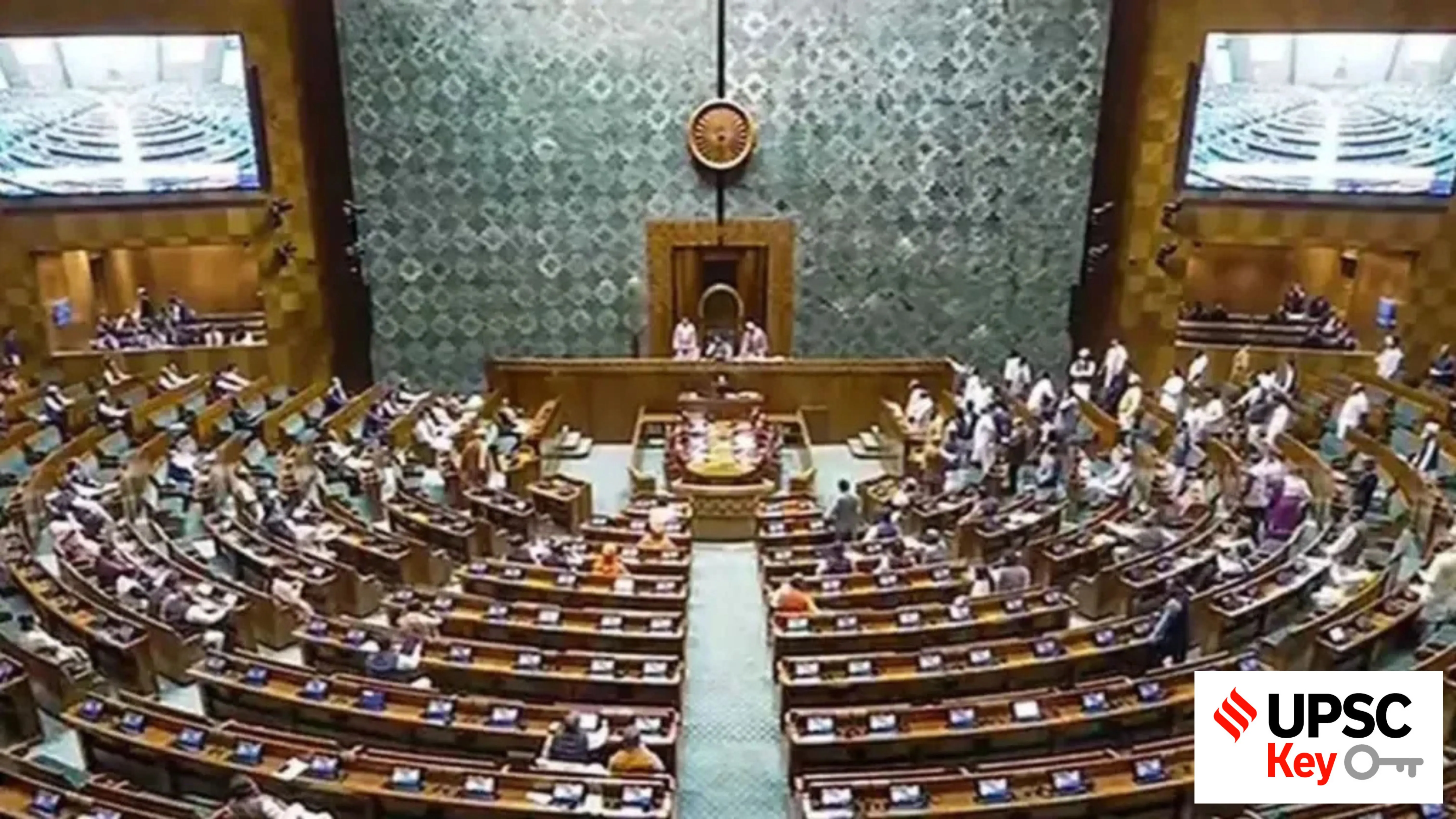
The debate over special sessions of Parliament highlights the critical interplay between executive authority and legislative scheduling under the Indian Constitution. While the term special session is not formally defined within the text of the Constitution, Article 85 empowers the President to summon either House of Parliament at such time and place as deemed appropriate. By established convention, this presidential power is exercised on the advice of the Union Cabinet, routed through the Cabinet Committee on Parliamentary Affairs.
Under constitutional provisions, the only strict temporal mandate is that no more than six months shall elapse between the final sitting of one session and the date appointed for the first sitting of the next. Outside of Article 352, which provides for a special sitting of the Lok Sabha during national emergencies, sittings outside the standard budget, monsoon, and winter calendar rely heavily on government discretion. Past special sittings have typically been convened to mark major historical milestones, debate urgent national crises, or deliberate significant legislative overhauls.
Alongside legislative procedure, renewed attention has centered on the constitutional architecture of Bharatiya Ganrajya, or the Republic of India. The Preamble articulates the sovereign, socialist, secular, and democratic republican foundation that guides Indian jurisprudence and institutional design. In contrast to constitutional monarchies where the head of state holds office through hereditary succession, an essential characteristic of a republic is that the head of state is elected indirectly by the people for a designated term.
This republican character ensures that ultimate political sovereignty resides firmly with the citizens, executed through elected representatives across central and state tiers of governance. Legal scholars emphasize that the concept reflects not merely a political nomenclature, but a substantive commitment to fundamental rights, civic equality, and judicial review. The ongoing institutional focus demonstrates how foundational ideals continue to be interpreted amidst shifting administrative, federal, and social demands.
Parallel to constitutional and governance debates, India's macroeconomic resilience has drawn attention following the Reserve Bank of India's ongoing repatriation of sovereign gold. In response to changing global financial dynamics, the central bank has transferred substantial quantities of gold from overseas depositories, such as the Bank of England, back to domestic vaults within India. The movement represents one of the most concerted efforts in decades to secure physical custody over national bullion reserves.
India's total foreign exchange reserves comprise foreign currency assets, gold reserves, special drawing rights, and reserve positions with the International Monetary Fund. Central banks globally have increasingly prioritized sovereign custody following international sanctions and the freezing of foreign sovereign reserves during geopolitical confrontations. By bringing physical gold onto domestic soil, monetary authorities reduce counterparty risks, avoid custodial storage expenses abroad, and strengthen direct control over a primary hedge against currency volatility.
The intersection of institutional governance, constitutional philosophy, and external economic protection underlines a broader national push toward institutional self-reliance. While parliamentary procedures test the balance of power between the treasury benches and opposition lawmakers, prudent reserve management reinforces domestic financial insulation against international shocks. Together, these elements reflect the ongoing evolution of Indian statecraft across political, constitutional, and economic spheres.
Looking ahead, parliamentary observers anticipate ongoing deliberations over whether formal guidelines should govern the convening of unscheduled legislative sittings to ensure greater predictability. Meanwhile, economists expect the Reserve Bank of India to maintain a diversified reserve allocation strategy, closely monitoring currency market volatility and external liquidity pressures. As public policy debates evolve, the enduring constitutional checks and prudent reserve mechanisms will remain central to navigating India's domestic and global challenges.
Primary source: The Indian Express. Newzly rewrites and structures source reporting for clarity; verify critical details at the original.