India’s Manuscript Heritage Draws Attention Through Three Major Works
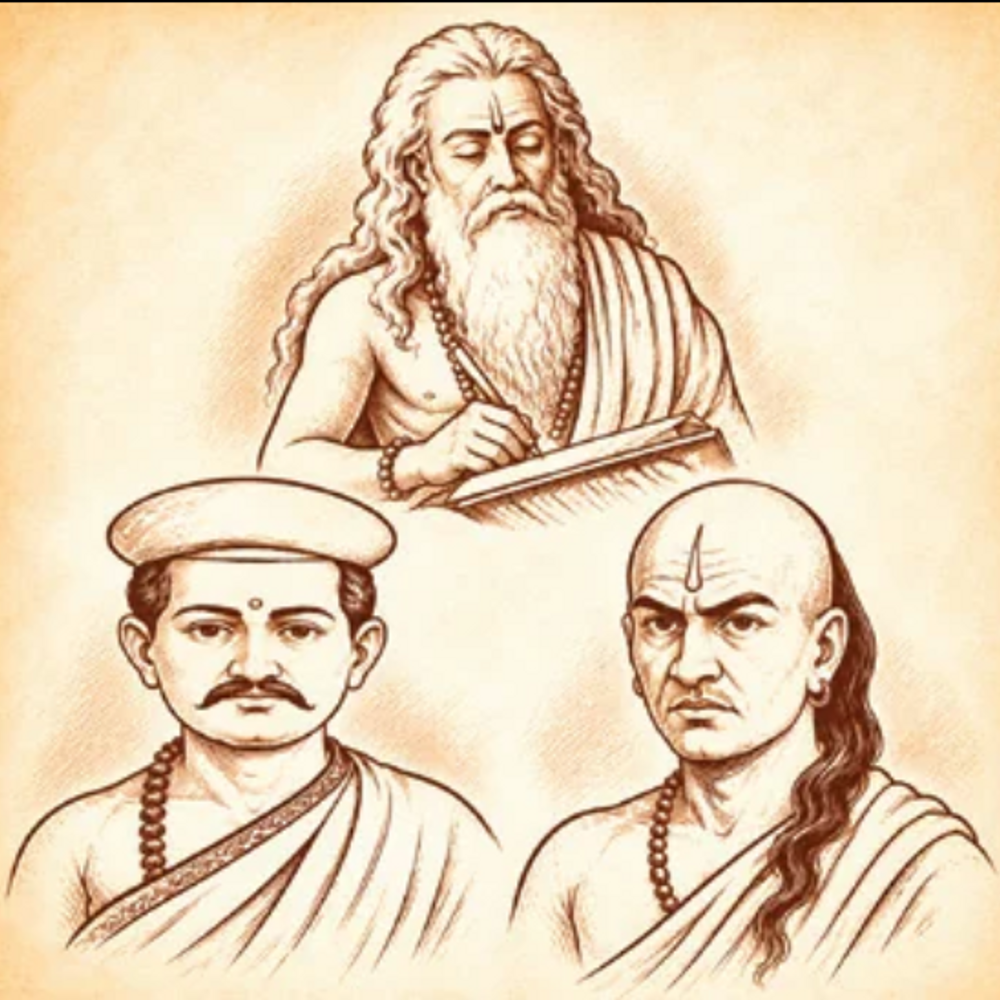
Divya Bhaskar Magazine highlights the Mahabharata, Arthashastra and Rajatarangini to examine why India’s manuscripts matter and how their significance extends beyond the country’s borders.
In this piece
India’s manuscript heritage is the focus of a Divya Bhaskar Magazine feature highlighting the Mahabharata, Arthashastra and Rajatarangini. The article’s…
India’s manuscript heritage and its international significance are the focus of a Divya Bhaskar Magazine feature highlighting the Mahabharata, Arthashastra and Rajatarangini. Its headline presents the three works as examples of Indian manuscripts whose importance has been acknowledged beyond the country, asking why these written records continue to matter.
The material supplied for this report includes the headline and a link, but not the article’s text. It therefore does not establish the precise recognition involved, its timing or the particular manuscript copies concerned. Those distinctions are important when describing recognition of a work, a manuscript collection or an individual surviving document.
At the heart of the feature’s framing is a distinction between a text and the physical record that carries it. A work can remain familiar through modern editions and translations, while manuscripts preserve evidence of how it was recorded and passed on. Protecting the written object serves a different purpose from simply keeping its title in public memory.
Manuscripts can matter both for their content and for what they reveal about the transmission of knowledge. Handwriting, corrections and differences between copies may help researchers investigate how a text developed or circulated. Such questions require examination of the actual materials; they cannot be answered by a celebrated title alone.
The three works named in the headline provide a starting point for that discussion, rather than a complete account of India’s manuscript heritage. Their prominence can bring attention to the wider question of what societies choose to preserve. It also invites readers to consider the relationship between well-known works and the surviving records through which they are studied.
International attention can help explain why manuscript preservation is more than a matter of national pride. Historical records may be relevant to readers and researchers across borders, even when they emerge from a particular cultural setting. Recognition, however, should be described precisely rather than treated as proof of every claim made about a text’s age, meaning or influence.
Preservation and access are related but separate concerns. Safeguarding a manuscript protects the object, while readable reproductions, descriptions and scholarly study can help people engage with its contents. Neither public recognition nor familiarity with a work’s name, by itself, explains whether a particular manuscript is adequately protected or readily available for research.
The feature’s central question ultimately directs attention beyond the prestige attached to famous titles: why should these records remain available to future generations? A fuller account of the recognition referenced by Divya Bhaskar would require the article’s text or the relevant institutional announcement. On the supplied evidence, the clearest takeaway is its emphasis on the enduring importance of India’s manuscript heritage.
Primary source: Divya Bhaskar Magazine. Newzly rewrites and structures source reporting for clarity; verify critical details at the original.