India Weighs 850-Seat Lok Sabha Expansion to Implement Women's Quota Ahead of 2026 Delimitation
As India approaches its 2026 delimitation milestone, the ruling Bharatiya Janata Party is balancing complex federal tensions with a legislative push to expand the Lok Sabha to 850 seats while implementing constitutional quotas for women.
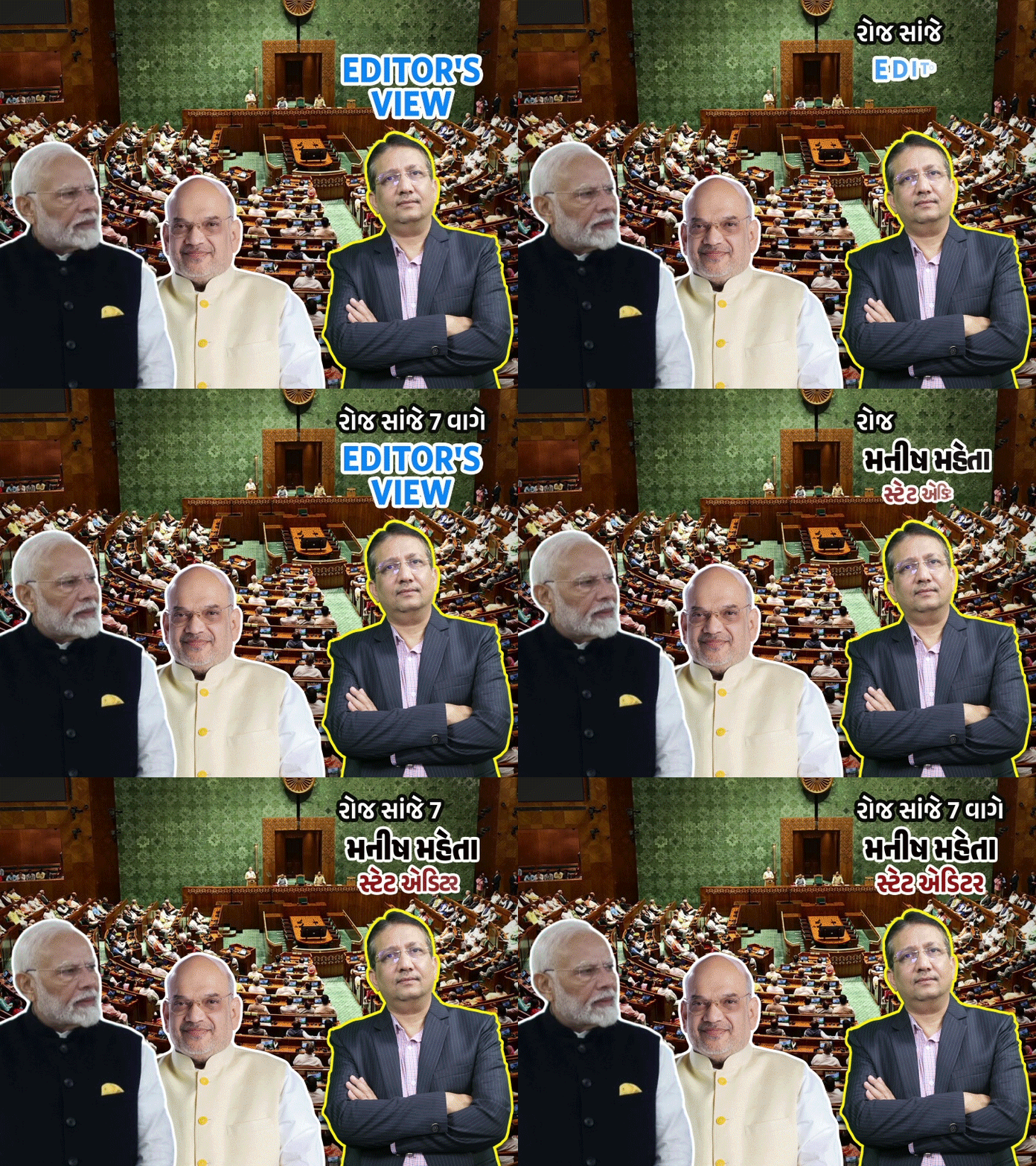
In this piece
A proposed redrawing of India’s parliamentary map could expand the Lok Sabha to 850 seats, unlocking the long-delayed implementation of the women’s reservation…
India’s parliamentary boundaries and legislative composition are headed toward a major transformation as the central government prepares for the upcoming electoral delimitation process. Under strategic legislative blueprints under consideration, the Lok Sabha could see its total strength expand from 543 to around 850 seats. The anticipated realignment aims to facilitate the execution of the historic women's reservation framework while fundamentally reshaping constituency borders across the nation.
The ruling Bharatiya Janata Party finds itself navigating a delicate balancing act as it confronts divergent political pressures across different regions. While rapidly growing northern states expect greater parliamentary representation based on their population counts, southern and western states have voiced strong apprehension over potential dilution of their federal influence. This demographic divide presents a formidable challenge for Prime Minister Narendra Modi's administration as it seeks national consensus on constitutional amendments.
Central to this transition is the push to operationalize the women's reservation measure, originally approved under the 106th Constitutional Amendment as the Nari Shakti Vandan Adhiniyam. Although the legislation guaranteed a 33 percent quota for women in the Lok Sabha and state assemblies, its implementation was legally tethered to the completion of the first census and delimitation cycle post-2026. To bypass protracted delays, policymakers have reviewed legislative options, including proposals linked to the 131st Amendment Bill, aimed at decoupling the reservation timetable.
Expanding the lower house to approximately 850 members has emerged as a central pillar of the government's strategy. By raising the constitutional cap and applying proportional or pro-rata seat increases, the formula seeks to accommodate mandatory women's seats without reducing the current tally of unreserved constituencies. Proponents argue that an across-the-board enlargement offers a practical mechanism to reward demographic expansion while preventing penalization of states that successfully stabilized population growth.
To navigate parliamentary hurdles and regional resistance, leadership is relying on a two-pronged legislative approach. The first strategy focuses on forging inter-party alignment through structured consensus talks, emphasizing that seat additions will safeguard regional ratios rather than diminish any single state's voice. A secondary contingency plan involves targeted constitutional adjustments that phase in seat allocations gradually, ensuring the women's reservation takes effect ahead of the 2029 general elections.
The restructuring carries profound political implications for Gujarat, which stands to gain three distinct structural advantages under the revised parliamentary formula. First, an overall expansion would proportionally elevate Gujarat’s parliamentary seat count well beyond its current 26 Lok Sabha constituencies, reinforcing its collective weight in national decision-making. Second, the higher allocation will amplify the state’s fiscal and developmental representation in federal policymaking bodies.
The third crucial benefit for Gujarat lies in the systemic elevation of women leaders within its political landscape. With one-third of the newly expanded constituencies designated exclusively for female lawmakers, regional parties will be compelled to cultivate a fresh pipeline of grassroots representatives. Analysts note that this statutory requirement will accelerate institutional empowerment and modernize candidate selection across both urban centers and rural belts.
Despite the proposed benefits, constitutional scholars and opposition leaders continue to debate the broader institutional ramifications of an 850-member lower house. An enlarged Lok Sabha risks altering the traditional balance with the Rajya Sabha, potentially diminishing the upper chamber's legislative checks during joint parliamentary sessions. Furthermore, questions remain over parliamentary efficiency, floor management, and ensuring equitable speaking time among hundreds of newly elected representatives.
As the statutory 2026 freeze on seat reallocation nears its conclusion, the central government is expected to accelerate stakeholder consultations across party lines. Official discussions will increasingly focus on finalizing the legislative roadmap and coordinating the timeline with national census operations. The outcome of these deliberations will determine the contours of India's electoral map and establish the political framework for the 2029 general elections.
Primary source: Divya Bhaskar Original. Newzly rewrites and structures source reporting for clarity; verify critical details at the original.