entertainment·California·Los Angeles County
Inside the First AI Music Awards, an Ambitious Effort to Normalize Synthetic Songs
The inaugural AI Music Awards in Los Angeles honored virtual pop stars and human prompt engineers across 25 categories, navigating technical glitches and deep industry skepticism.
In this piece
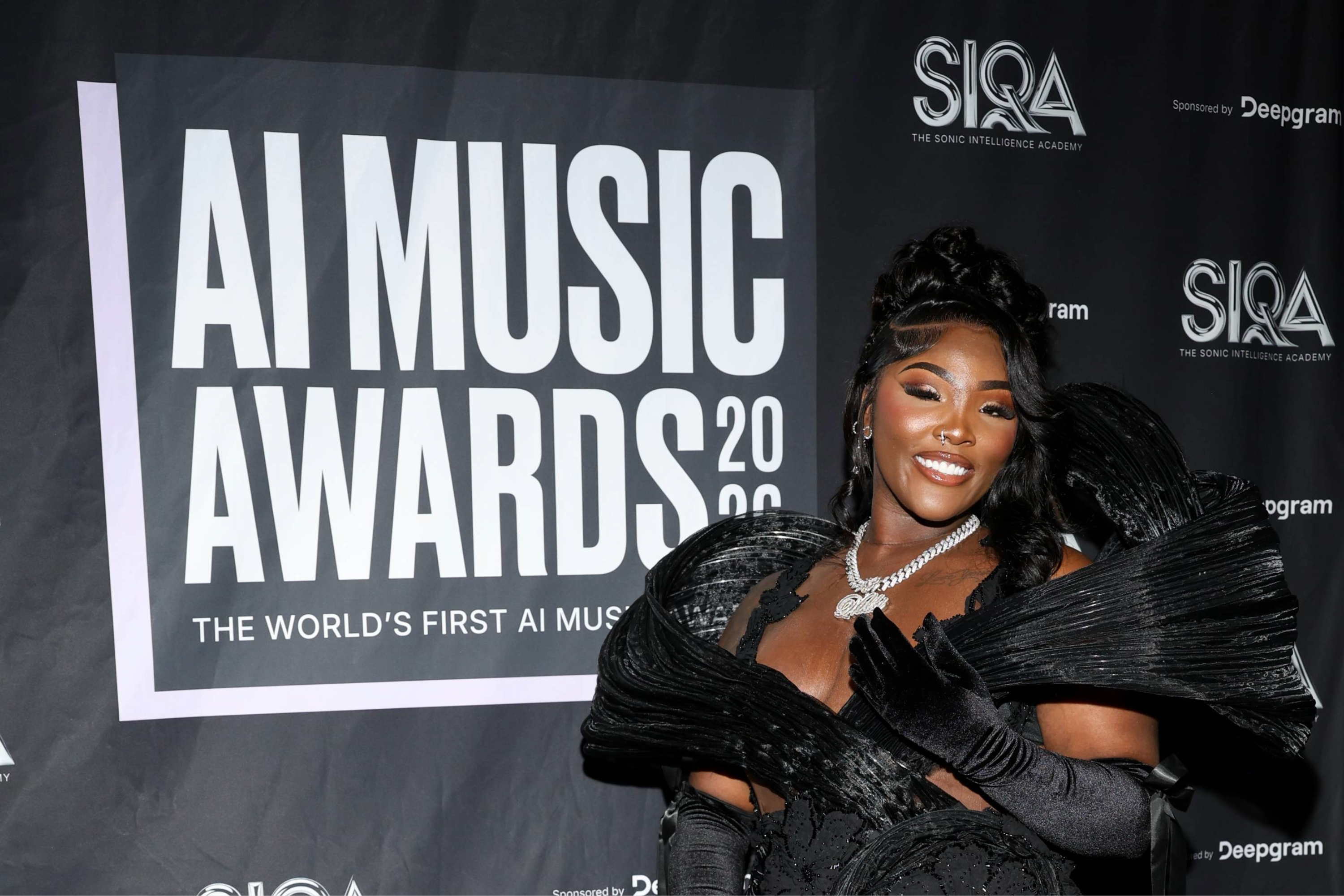
The Sonic Intelligence Academy hosted the first AI Music Awards at The Mayan in downtown Los Angeles, celebrating virtual artists like triple-winner Xania…
The inaugural AI Music Awards convened at The Mayan in downtown Los Angeles, staging a chaotic yet ambitious ceremony aimed at legitimizing artificial intelligence within the commercial music landscape. Organized by the Sonic Intelligence Academy, the event brought together software developers, prompt engineers, and independent musicians for a full-scale awards show spanning 25 competitive categories.
The gathering combined traditional Hollywood red-carpet spectacle with virtual avatars and algorithmic compositions, underscoring an industry caught between tech novelty and mainstream recognition. Attendees navigated technical hiccups and uncanny synthesized performances, highlighting the early-stage friction inherent in staging live public events around synthetic creations.
Virtual pop star Xania Monet emerged as the evening's dominant victor, sweeping the headline categories including AI Artist of the Year, Song of the Year, and Album of the Year. Monet’s breakout track, "How Was I Supposed to Know?," previously broke boundaries by earning airplay and streaming traction ahead of the awards ceremony.
Behind Monet’s digital facade stood songwriter and creator Telisha “Nikki” Jones, who accepted the honors on behalf of the project. Jones crafted the lyrical and melodic framework before using generative artificial intelligence tools to synthesize the vocals and production, demonstrating the collaborative nature of modern prompt-based music.
Throughout the evening, presenters and honorees vigorously defended their creative legitimacy against accusations that machine-assisted production lacks artistic merit. Human creators insisted that shaping coherent musical pieces requires extensive manual prompting, arrangement adjustments, and lyrical refinement rather than simple push-button automation.
"In a world where everybody calls AI fake, the human behind it is real," music producer and presenter Drake Murphy told the audience during one of the night's impassioned speeches. That sentiment resonated across the auditorium, where independent producers argued that artificial intelligence functions as an accessible creative instrument rather than an artist replacement.
The celebratory showcase unfolded against the backdrop of significant resistance from major record labels and legacy entertainment organizations. Legacy music companies, artist estates, and performing rights groups continue to pursue extensive federal copyright litigation against generative AI developers over the unauthorized ingestion of copyrighted recordings for model training.
While developers and independent creators view generative algorithms as a democratic leap forward for songwriting, established artists worry about royalty dilution and vocal identity theft. The absence of major label representation at the ceremony highlighted the deep divide separating Silicon Valley's audio ambitions from Nashville, New York, and Hollywood boardrooms.
As the inaugural ceremony concluded, the Sonic Intelligence Academy demonstrated that artificial intelligence music has developed its own nascent subculture and commercial ambitions. Whether these algorithmically generated stars can secure lasting mainstream acceptance will ultimately depend on resolving looming legal disputes and winning over skeptical audiences.
Primary source: Variety. Newzly rewrites and structures source reporting for clarity; verify critical details at the original.