Intel Plunges 45% in October, Logging Its Worst Month in Over Four Decades
Intel shares plunged 45 percent in October, marking the chipmaker's steepest monthly loss in more than four decades as analysts debate whether the stock is a value trap or an unprecedented buying opportunity.
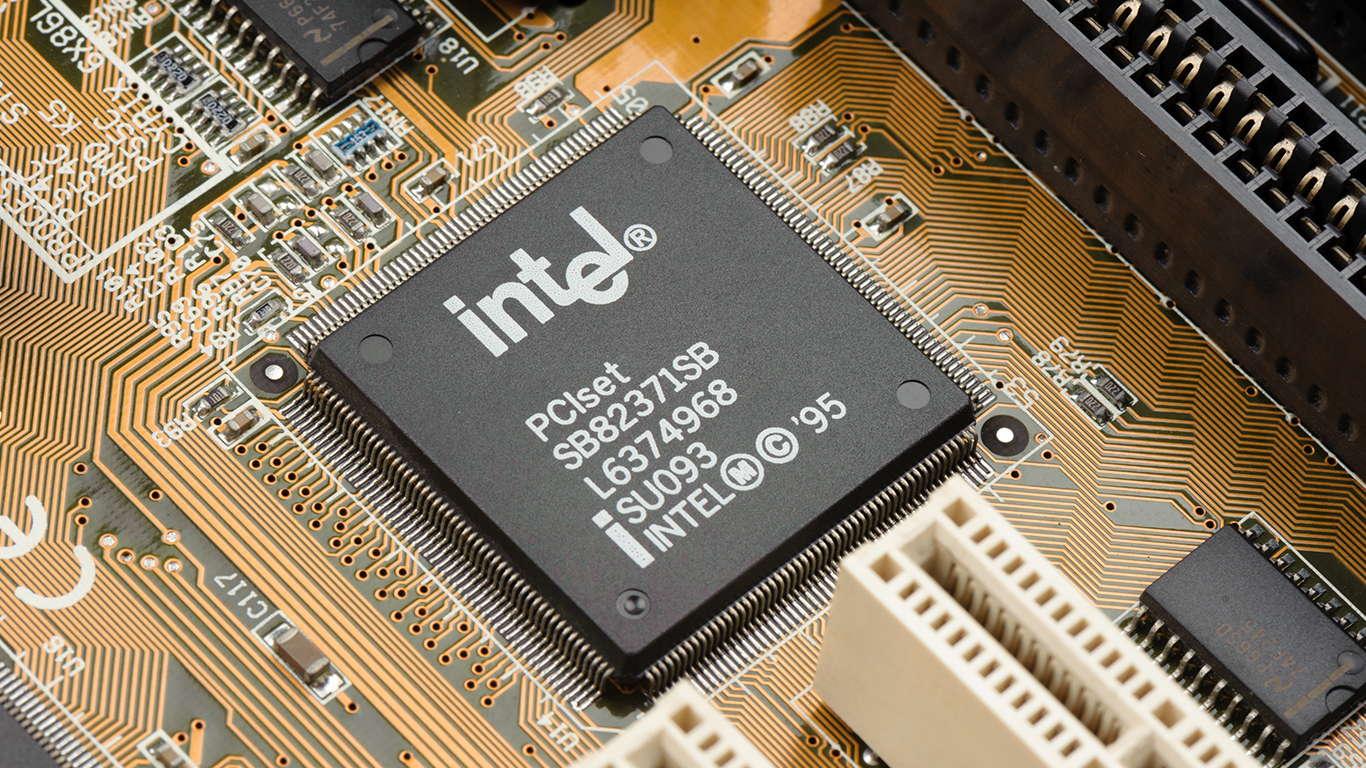
Intel Corporation recorded a historic plunge in October, shedding approximately 45 percent of its market value over the course of the month. The dramatic selloff marks the semiconductor pioneer's worst monthly performance in more than four decades of public trading. The sharp descent has unsettled institutional investors and prompted widespread reassessments across Wall Street trading desks.
The monthly slide reflects an unprecedented wave of selling pressure on one of the technology sector's foundational hardware enterprises. Market participants watched the stock erode steadily throughout the period, erasing tens of billions in market capitalization and pushing share prices toward multi-year lows. The severity of the decline stands out even within the historically cyclical and volatile chip industry.
In the wake of the steep downturn, the broader analyst community has found itself sharply polarized over the company's forward-looking prospects. One camp of market observers cautions that the shares have devolved into a classic value trap, warning that systemic execution headwinds could precipitate further downside. These skeptics stress that headline valuation metrics can remain misleading when core operational momentum continues to deteriorate.
Conversely, contrarian investors and value-focused market strategists argue that the 45 percent monthly retreat presents a compelling, historic buying opportunity. Proponents of this view maintain that panic-driven selloffs frequently overshoot fundamental realities, discounting the company's extensive intellectual property and global manufacturing footprint. For long-term market participants willing to endure near-term volatility, the current entry point is viewed by some as an attractive risk-reward proposition.
The market divide unfolds against the backdrop of profound structural changes across the global semiconductor ecosystem. Chip designers and manufacturers are grappling with rapid architectural evolutions, shifting customer preferences, and intense competitive pressures in enterprise data centers. Navigating these transitions demands substantial capital investment alongside seamless execution, leaving little margin for error in an increasingly demanding macroeconomic environment.
Capital allocation and manufacturing efficiency have consequently become central focal points for analysts attempting to model a potential recovery. Maintaining state-of-the-art fabrication facilities requires massive ongoing cash commitments that can strain corporate balance sheets during periods of softer commercial demand. Observers note that market sentiment often remains fragile until management teams can clearly demonstrate sustainable margin defense and consistent product delivery.
The velocity of October's decline was also compounded by broad institutional rebalancing and mechanical risk-mitigation measures across systematic funds. When a marquee equity suffers persistent downward momentum, technical breakdowns often trigger automated selling that exacerbates losses irrespective of baseline intrinsic value. This dynamic has left trading liquidity choppy and heightened day-to-day price swings as market makers attempt to establish a viable floor.
Beyond the company itself, the historic monthly drop carries broader ramifications for benchmark tech indices and enterprise supply chains. Institutional portfolio managers are increasingly differentiating between semiconductor firms benefiting from next-generation workload adoption and legacy providers confronting prolonged turnaround cycles. The divergence highlights a shifting industry hierarchy where historical dominance no longer guarantees market insulation or shareholder patience.
Looking ahead, market participants will be scrutinizing upcoming quarterly disclosures, balance sheet updates, and management commentary for clues about operational stabilization. Analysts emphasize that breaking the downward momentum will require concrete evidence of cost discipline, timeline execution, and competitive product releases. Until verifiable progress replaces speculation, the stock is likely to remain a high-volatility battleground between cautious skeptics and opportunistic dip-buyers.
Primary source: Yahoo Finance Markets. Newzly rewrites and structures source reporting for clarity; verify critical details at the original.