Internet Archive Staff Vote to Unionize with CWA
A supermajority of eligible workers at the Internet Archive have voted to join the Communications Workers of America, establishing collective representation at the prominent nonprofit digital library.
In this piece
Staff at the nonprofit digital library Internet Archive have voted by a supermajority to unionize with the Communications Workers of America. The decisive vote…
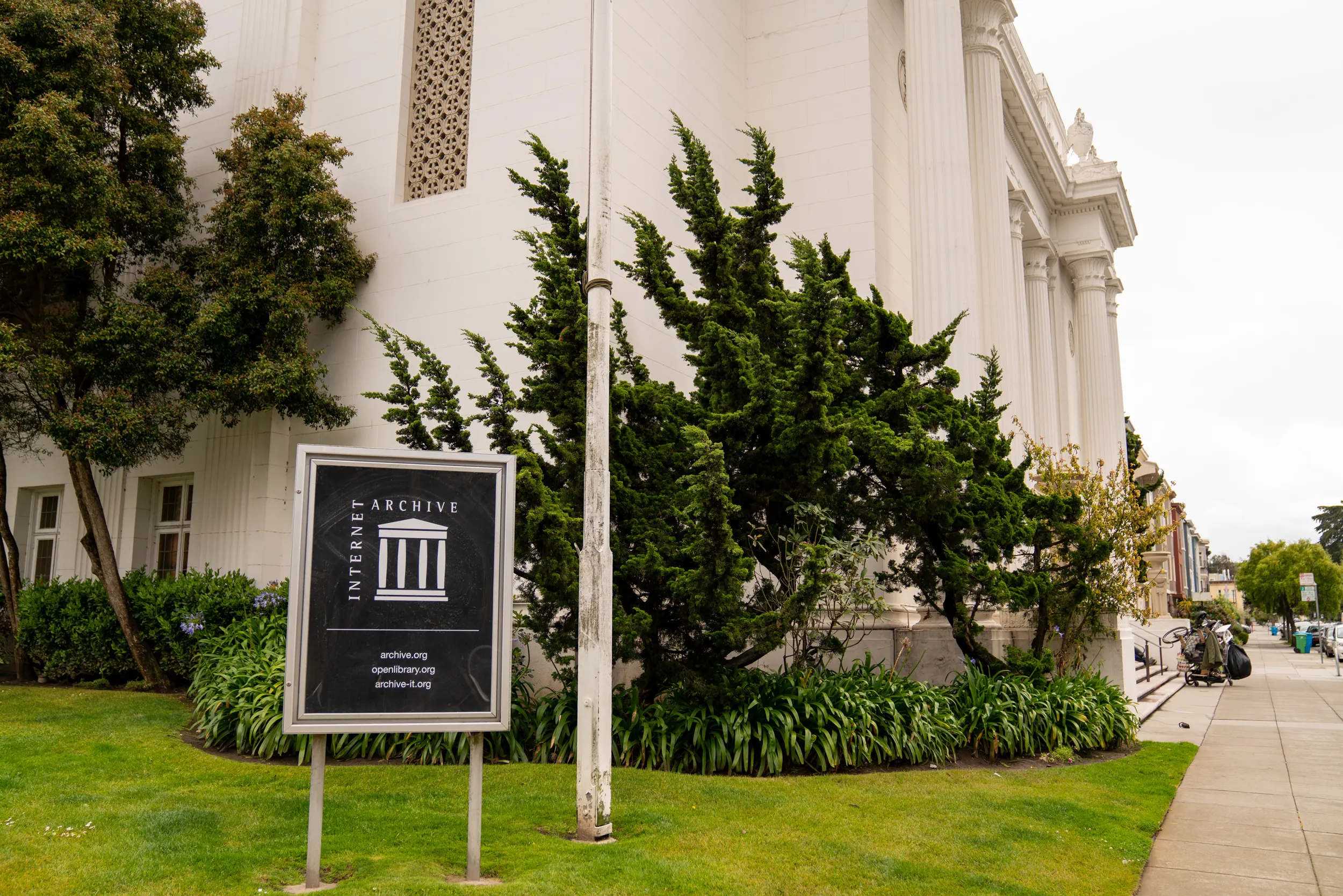
Workers at the Internet Archive have moved to form a union, with a supermajority of eligible staff voting in favor of representation. The employees at the nonprofit digital library have chosen to organize under the Communications Workers of America, according to a report by Wired. The decision marks a significant labor milestone for one of the internet's most prominent preservation institutions.
The organizing effort secured broad backing across the eligible workforce, achieving the supermajority threshold required to advance collective representation. While detailed tallies and specific bargaining unit breakdowns were not immediately released, the decisive consensus signals widespread staff support for unionization. Organizers partnered with the Communications Workers of America, a major labor organization that has increasingly represented technology and media workers.
As a nonprofit digital library, the Internet Archive occupies a unique space in the broader technology landscape. The organization is widely recognized for operating extensive digital repositories, public domain archives, and preservation tools that document the history of the open web. Its staff maintains complex digital infrastructure, digitizes cultural materials, and provides universal public access to knowledge resources.
The move reflects an expanding wave of labor organizing within digital institutions, cultural organizations, and technology-adjacent nonprofits. Over recent years, knowledge workers and technical professionals across digital platforms have sought formal collective bargaining mechanisms to address workplace concerns. The Communications Workers of America has established specialized initiatives to organize employees in software, digital media, and cultural preservation sectors.
Within nonprofit digital environments, workforce discussions often center on sustainable workloads, compensation parity, and governance during periods of institutional growth. Digital librarians, engineers, and support personnel frequently manage expanding technical demands with finite operational resources. Securing formal representation allows employees to establish standardized bargaining channels regarding working conditions and institutional priorities.
Nonprofit archives operate under distinct institutional pressures, balancing open-access missions against ongoing operational, logistical, and legal complexities. Maintaining vast public data services requires continuous technical labor, careful stewardship, and consistent institutional stability. For frontline personnel, organizing provides a unified platform to advocate for sustainable operational practices while preserving the core mission of public access.
Following the supermajority vote, the organizing staff and union representatives are expected to take formal procedural steps toward establishing collective bargaining. Next steps typically involve seeking voluntary recognition from nonprofit leadership or pursuing formal verification procedures to certify the union. Detailed announcements regarding specific bargaining goals and formal workplace proposals are expected to develop as representatives structure their committee.
The successful vote positions the Internet Archive workforce to participate directly in shaping future workplace policies and employment standards. As the unionization process moves forward, observers and industry peers will monitor how leadership responds to the staff's collective decision. The outcome stands as an important case study in how staff at vital digital public institutions organize to secure long-term workplace sustainability.
Primary source: Wired. Newzly rewrites and structures source reporting for clarity; verify critical details at the original.