Iran’s IRGC says naval mines destroyed four tankers in Strait of Hormuz
Iran’s Islamic Revolutionary Guard Corps says four tankers were destroyed after striking sea mines while crossing what it described as a prohibited route in the Strait of Hormuz.
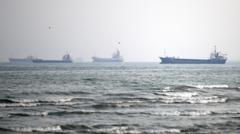
Iran’s Islamic Revolutionary Guard Corps says four tankers were destroyed by naval mines in the Strait of Hormuz after attempting to cross what it described as a prohibited route. The claim was reported by BBC World, but the supplied account does not include independent confirmation of the vessels’ destruction.
The report attributes the account of the incident to the Revolutionary Guard, also known as the IRGC. It says the vessels hit sea mines while trying to use the restricted passage, without providing a precise location or explaining how the reported sequence of events was established.
No vessel names, operators or flag states are identified in the material provided. It also gives no information about the tankers’ cargoes, the number of people aboard or whether any crew members were injured, killed, rescued or remained missing following the reported mine strikes.
The description of the route as prohibited comes from the IRGC’s account, rather than a separately documented navigation restriction in the supplied report. The material does not explain who imposed the prohibition, when it took effect, how it was communicated or whether the vessels had received a warning before attempting the crossing.
The distinction between the reported mine strikes and the claimed destruction of all four tankers is important. The headline describes the ships as destroyed, while the accompanying text says they hit sea mines; neither provides a damage assessment or further evidence establishing the condition of each vessel after the reported incident.
The account also leaves responsibility for the mines unresolved. It does not identify who placed them, when they were deployed or whether their presence had been confirmed by anyone other than the source of the claim. The IRGC’s statement, as presented, therefore does not establish who was responsible for the reported losses.
For assessing the implications for shipping, those gaps are consequential. Confirmation of the vessels’ identities, their positions and the extent of any damage would help distinguish a verified maritime incident from an uncorroborated military account. The supplied material does not describe any wider interruption to vessel movements, and it offers no basis for quantifying an effect on shipping or cargo deliveries.
Further reporting would need to establish when the incident occurred and seek corroboration from vessel operators, crews or relevant maritime authorities. For now, the available account remains an IRGC claim reported by BBC World, with the condition of the tankers, the welfare of those aboard and the circumstances of the alleged mine strikes still unverified in the supplied material.
Primary source: BBC World. Newzly rewrites and structures source reporting for clarity; verify critical details at the original.