Iran Targets US Bases and Gulf Civilian Sites After Lull
Tehran has resumed strikes against United States bases and civilian sites across the Gulf following a temporary lull in hostilities. The escalation comes as an ongoing naval blockade and sanctions campaign continue to batter Iran's economy.
In this piece
Iran has intensified attacks on U.S. military installations and civilian targets across the Gulf following a temporary lull in hostilities. The renewed campaign…
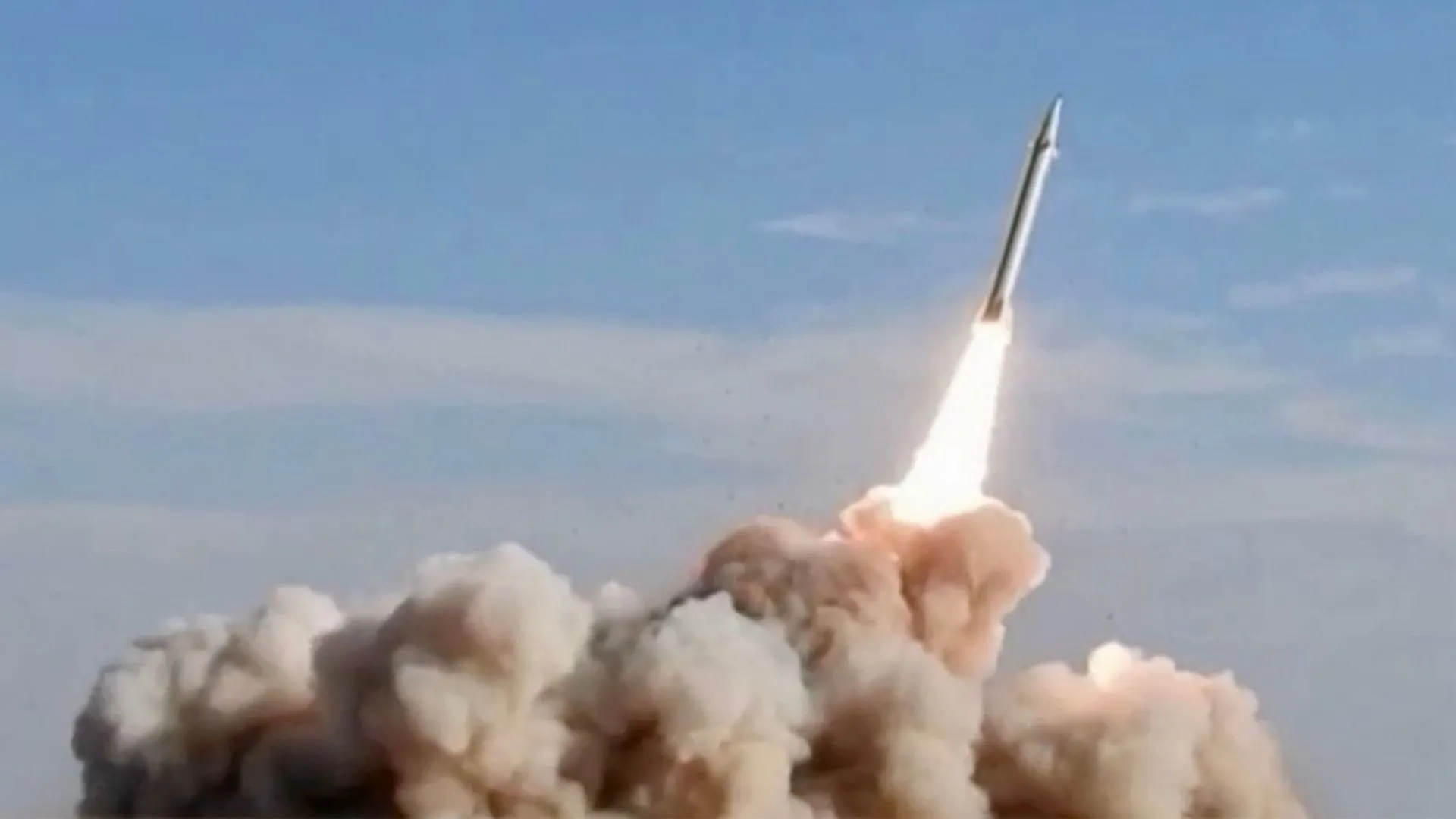
Tehran has escalated its military actions across the Gulf in recent days, launching strikes against United States military installations and civilian locations following a brief lull in hostilities. The renewed wave of attacks marks a dramatic resurgence in regional confrontation, breaking what had been a period of relative operational quiet. Regional reporting indicates that the strikes targeted both fortified military infrastructure and surrounding civilian areas, raising urgent concerns among regional governments and international observers.
The latest escalation unfolds against the backdrop of intense economic and strategic pressure exerted by Washington. An ongoing United States naval blockade, combined with a comprehensive sanctions regime, has severely squeezed the Iranian economy and disrupted its maritime trade networks. According to regional coverage, these mounting economic constraints have significantly heightened friction between the two adversaries.
The sudden transition from a lull back into active hostilities underscores the fragility of informal pauses in the region. Prior to the recent strikes, an absence of major exchanges had provided a brief period of operational calm across Gulf waterways. However, security analysts emphasize that the fundamental drivers of the conflict remained unresolved, leaving the door open for rapid re-escalation as diplomatic breakthroughs failed to materialize.
The inclusion of civilian sites alongside established military bases represents a troubling shift in operational patterns. While military installations across the Gulf generally maintain sophisticated air defense and early warning capabilities, civilian infrastructure offers far less specialized protection. Any kinetic action threatening civilian sectors introduces immediate risks to municipal operations, critical infrastructure, and public safety across the wider Gulf basin.
Enforcement actions linked to the naval blockade appear to be a decisive catalyst in Tehran's decision to resume strikes. By restricting maritime traffic and cutting off vital commercial sea lanes, the blockade has compounded the domestic strain produced by existing financial sanctions. Faced with diminishing economic maneuvering room, Iranian authorities have increasingly resorted to asymmetric strikes to signal the strategic costs of maintaining the blockade.
For Gulf states that host foreign forces and critical energy facilities, the deteriorating security environment brings compounding hazards. Heightened military activity across maritime corridors threatens international shipping lanes that handle significant portions of global commerce. Furthermore, commercial aviation and coastal trade face recurrent disruptions as airspace and coastal approaches become subject to active military friction.
Security experts monitoring the region warn that repeated cycles of economic enforcement and retaliatory strikes carry an acute risk of miscalculation. In the absence of functioning direct communication mechanisms between Washington and Tehran, localized defensive responses can swiftly spiral into broader kinetic engagements. The risk is particularly pronounced when strikes occur in proximity to densely populated civilian zones or sensitive logistics hubs.
International diplomatic efforts to temper the confrontation face significant obstacles. Multilateral bodies and regional maritime authorities have consistently warned about the vulnerability of commercial transit, yet cohesive diplomatic initiatives to halt the escalation remain limited. The competing objectives of enforcing comprehensive economic isolation on one side and breaking out from economic strangulation on the other continue to hinder meaningful dialogue.
The current trajectory raises fundamental questions regarding the sustainability of the prevailing enforcement strategy. While economic sanctions and naval cordons are designed to project leverage, they have historically prompted reciprocal military responses rather than concessions. As long as economic pressure continues to mount without diplomatic off-ramps, retaliatory military actions are likely to remain an enduring feature of the standoff.
Moving forward, the regional outlook will largely hinge on whether naval interdictions intensify and how defense networks respond to further incoming threats. Continued escalation risks drawing additional regional actors into the confrontation, further destabilizing energy corridors and global trade links. Until substantive de-escalation measures are established to address both the naval blockade and underlying strategic disputes, the Gulf security environment is expected to remain highly volatile.
Primary source: Al Jazeera. Newzly rewrites and structures source reporting for clarity; verify critical details at the original.