Israeli Mossad Chief Dispatched to U.S. for Talks on Iran Strategy Amid Domestic Stir
Israeli Prime Minister Benjamin Netanyahu has sent the head of Mossad to Washington for strategic talks on Iran, sparking political friction at home over regional escalation risks.
In this piece
Israeli Prime Minister Benjamin Netanyahu has sent the Mossad chief to the United States for high-level consultations on Iran strategy with intelligence…
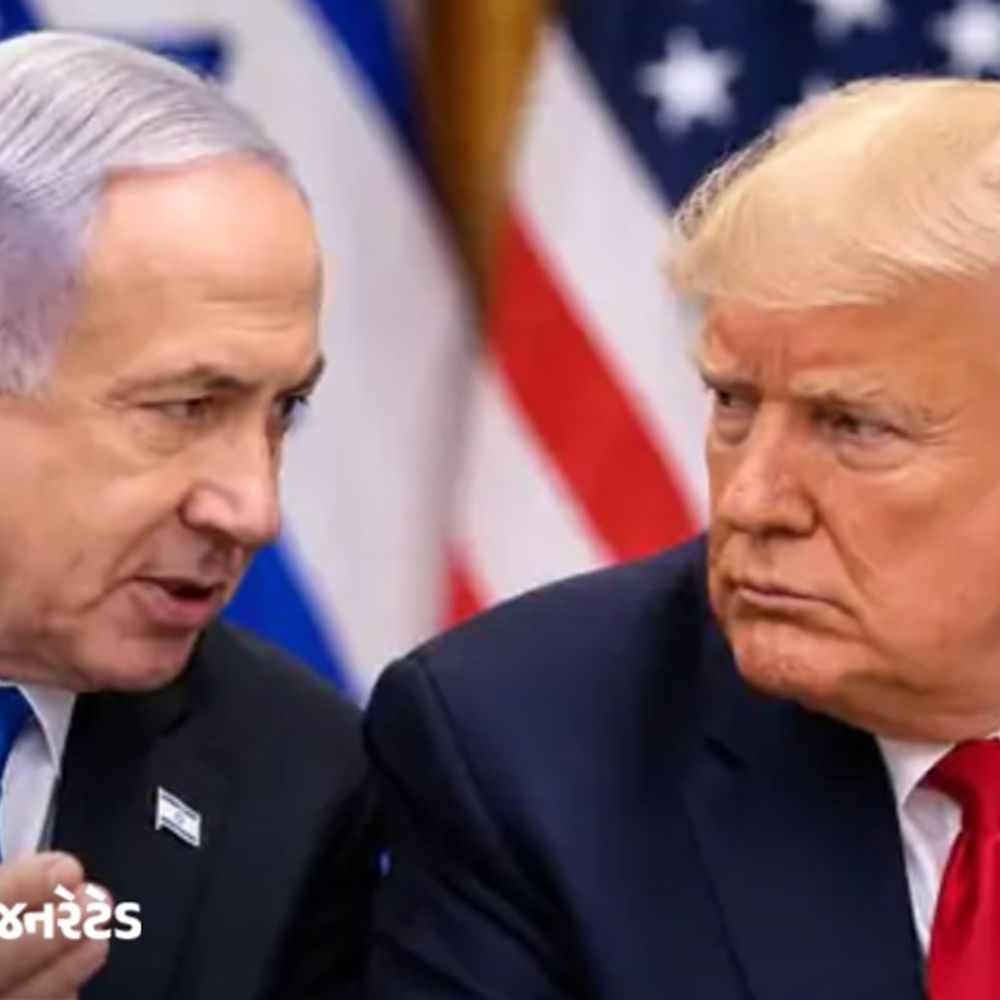
Israeli Prime Minister Benjamin Netanyahu has dispatched the head of the Mossad intelligence agency to the United States for high-level consultations concerning military strategy toward Iran. The mission, which includes engagements with American intelligence leadership and figures tied to Donald Trump, has drawn intense scrutiny across the Middle East. Reports indicate the discussions are centered on coordinating future security approaches and evaluating potential action targeting Iranian interests.
The diplomatic mission has triggered significant political debate inside Israel, where critics and observers are questioning the timing and objectives of the outreach. Opponents have raised concerns over whether domestic political considerations and efforts to maintain coalition stability are influencing high-stakes defense decisions. The prospect of escalating confrontations with Tehran has amplified unease among lawmakers and security analysts who warn against overplaying strategic gambits.
Central to the Mossad chief's agenda in Washington are consultations with the Central Intelligence Agency and political interlocutors preparing for Donald Trump’s foreign policy framework. Israeli officials are reportedly seeking to align perspectives on regional deterrence and the enforcement of pressure against Iran's military and nuclear infrastructure. Securing explicit backing or strategic understanding from Washington remains a cornerstone of Israel's posture against adversaries in the region.
Tensions between Israel and Iran have reached unprecedented levels following successive rounds of direct military strikes, missile exchanges, and proxy engagements across multiple fronts. Defense establishments in both nations have maintained heightened readiness, with rhetoric on both sides warning of catastrophic escalation should further strikes occur. The specter of a wider regional conflict continues to cast a long shadow over international diplomacy and global energy markets.
Prime Minister Netanyahu has consistently maintained that neutralizing threats posed by Tehran and its allied network is an existential priority for Israel's national survival. Throughout his tenure, he has advocated for maximum economic, diplomatic, and military pressure against the Iranian establishment. However, his governance faces persistent domestic friction, with political rivals alleging that regional security crises are frequently utilized to deflect from internal political challenges.
As Israel's foreign intelligence agency, the Mossad plays a leading role in clandestine operations, strategic intelligence gathering, and sensitive backchannel diplomacy. The agency has historically directed targeted initiatives aimed at disrupting foreign weapons programs and monitoring hostile state networks across the Middle East. Dispatching its chief directly to negotiate policy parameters underscores the critical nature of the current diplomatic push.
For American policymakers and intelligence officials, coordinating with Israel involves balancing strong alliance commitments with the imperative to prevent an uncontrolled regional war. While Washington has reaffirmed its dedication to Israeli defense, discussions surrounding preemptive strikes or expanded operations present complex strategic dilemmas. U.S. defense planners continue to evaluate how altered regional dynamics could impact American personnel stationed across the Middle East.
Within the Israeli parliament and public discourse, questions remain about how aggressively the current leadership plans to confront regional adversaries in the coming months. Skeptics continue to warn that pushing military options too far could draw major international powers into an unpredictable cycle of retaliation. Proponents, conversely, insist that proactive measures and clear coordination with Washington are necessary to deter further regional aggression.
As consultations continue, international observers will be closely tracking whether the bilateral talks yield concrete shifts in defensive or offensive coordination. The outcome of the Mossad director’s meetings is expected to influence how Israel calibrates its next moves regarding Iranian capabilities and regional red lines. For now, diplomatic and security circles in both Jerusalem and Washington remain on high alert as the broader geopolitical consequences take shape.
Primary source: Divya Bhaskar International. Newzly rewrites and structures source reporting for clarity; verify critical details at the original.