Israeli Settlers Damage Tubasi Family Homes in West Bank Attack
Israeli settlers have attacked and damaged the West Bank homes of the Tubasi family, who were displaced months ago and remain blocked from returning despite an Israeli court order.
In this piece
Israeli settlers attacked and damaged residential properties belonging to the Palestinian Tubasi family in the occupied West Bank. The family was displaced…
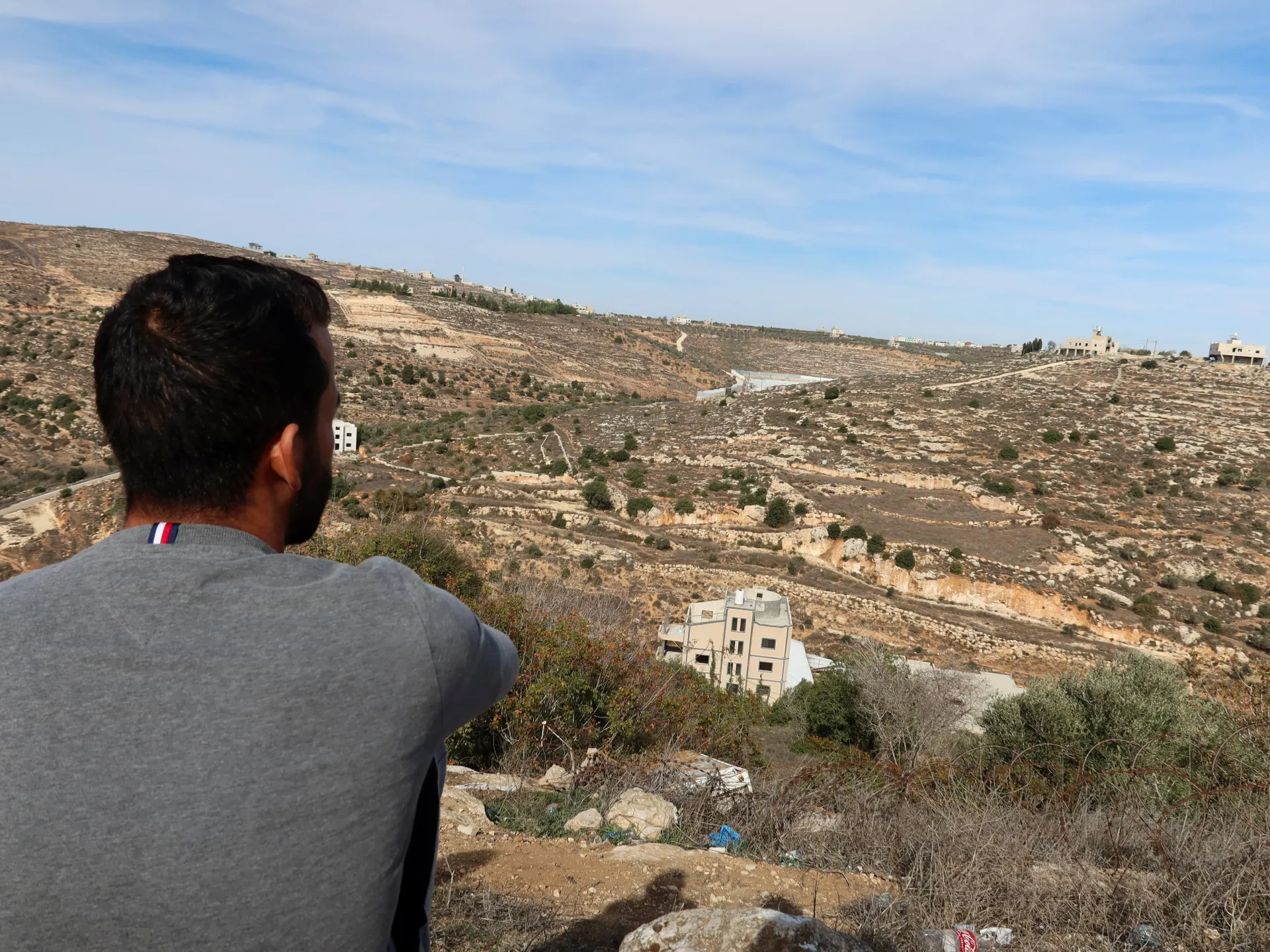
Israeli settlers have damaged the residential property of a Palestinian family during an attack in the occupied West Bank, according to reporting from Al Jazeera. The assault targeted the homes of the Tubasi family, who were forced out of their residences months ago and have remained displaced amid ongoing tensions in the area.
The incident occurred despite the existence of an Israeli court ruling that legally authorized the Tubasi family to return to their property. According to source accounts, local settlers have repeatedly defied the judicial directive, maintaining a presence that prevents the family from exercising their legal right to reclaim and inhabit their homes.
During the recent attack, settlers reportedly inflicted visible damage on the vacant structures belonging to the family. The physical destruction poses an immediate operational barrier to any eventual return, raising concerns about the habitability and structural integrity of the residential buildings.
The Tubasi family’s displacement reflects wider, systematic patterns documented across the West Bank, where rural and perimeter Palestinian households face persistent friction with surrounding settler outposts. Rights advocates and international monitoring agencies have noted that evictions and forced departures frequently leave civilian properties vulnerable to vandalism, demolition, and unauthorized access.
The situation also brings renewed attention to the persistent gap between judicial pronouncements and actual law enforcement on the ground. Legal analysts and humanitarian monitors have consistently observed that Palestinian property owners who secure favorable rulings in Israeli courts often struggle to see those orders enforced against determined local resistance.
Beyond the physical destruction of houses, prolonged displacement inflicts substantial social, psychological, and financial strains on affected families. When residential dwellings are systematically damaged or vandalized during their owners' absence, families often lack the security guarantees and financial resources required to execute necessary repairs and safely return.
Incidents involving the destruction of civilian property in occupied territories have drawn sustained concern from international legal bodies and foreign governments. Under international humanitarian law, occupying authorities bear obligations to maintain public order, protect civilian populations, and safeguard private property from unlawful destruction.
Regional analysts point out that recurring confrontations over property and displacement contribute significantly to broader instability across the West Bank. When court orders fail to guarantee the physical safety and restitution of displaced families, community tensions escalate and prompt heightened scrutiny from global human rights organizations.
Moving forward, local observers and human rights advocates are monitoring whether law enforcement authorities will intervene to enforce the judicial ruling and hold perpetrators of the property damage accountable. For the Tubasi family, the immediate outlook remains uncertain as they await concrete measures that would allow their safe and permanent return.
Primary source: Al Jazeera. Newzly rewrites and structures source reporting for clarity; verify critical details at the original.