Italian Foreign Minister's Personal Data Leaked by Hackers, Meloni Blames Pro-Russian Group
Italian Prime Minister Giorgia Meloni has blamed pro-Russian hackers after the country's foreign minister revealed that his personal data was leaked online, sparking urgent security concerns across the government.
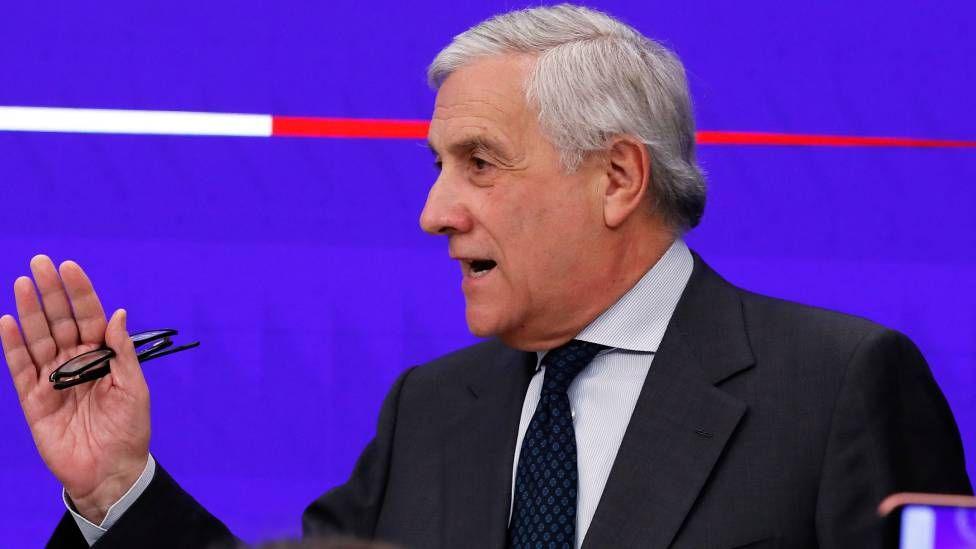
Italy's foreign minister has announced that hackers leaked his personal data, triggering immediate concern over the security of top-level government communications. Prime Minister Giorgia Meloni addressed the incident shortly afterward, placing the blame directly on pro-Russian hackers for publishing the sensitive details online. The disclosures have prompted an immediate review by authorities seeking to determine the extent of the unauthorized release.
While official statements did not immediately disclose the exact contents of the published material, the breach has drawn sharp focus to the vulnerabilities surrounding high-ranking political figures. Government officials are working to establish whether the compromised information came from private devices, administrative systems, or external platforms. The incident represents a high-profile target in a wave of online operations directed at European leadership.
Meloni's public statement attributing the attack to pro-Russian groups highlights growing friction between Western European governments and adversarial cyber collectives. Political observers and security analysts have observed an escalation in such intrusions since European nations took firm stances on international security disputes. Pro-Russian networks have frequently been linked to opportunistic leaks aimed at retaliating against supportive allied states.
Even when leaked records do not expose state secrets, the dissemination of a senior minister's personal data carries significant security and operational risks. Unauthorized exposure of personal contact numbers, private correspondence, or home addresses can lead to harassment, phishing campaigns, and secondary intrusion attempts against associates. Consequently, protocol dictates an immediate overhaul of credentials and communication security for affected leadership.
Cybersecurity agencies across Europe have consistently warned that state-aligned and ideological hacking syndicates view public figures as primary vectors for political influence. By dumping stolen data into public forums, hostile groups often attempt to undermine public confidence in national defense systems and generate sensational headlines. Such actions are typically structured to maximize publicity while avoiding the technical barriers of penetrating classified state networks.
The targeting of Italy's diplomatic leadership underscores the degree to which modern geopolitical confrontation is conducted across the digital sphere. Western officials participating in key international alliances have increasingly faced distributed denial-of-service disruptions, doxxing operations, and sophisticated social engineering campaigns. Italy has previously encountered hostile online activity, prompting expanded investments in national cyber defense bodies.
Technical investigators are expected to trace digital footprints left across the servers and hosting platforms where the foreign minister's data first appeared. Tracking down anonymous online actors operating from foreign jurisdictions remains notoriously difficult, requiring cross-border cooperation and forensic analysis. Despite those hurdles, identifying the specific threat group helps intelligence agencies formulate countermeasures and share indicators with European partners.
The disclosure also places renewed attention on digital hygiene standards within cabinet offices and parliament. Experts note that senior officials frequently manage heavy communication flows across multiple devices, creating potential vulnerabilities if secure channels are not uniformly observed. In response to recent incursions, European governments have increasingly mandated enhanced device management, multi-factor authentication, and specialized training for public officials.
Looking ahead, Italian authorities and national cybersecurity bodies are anticipated to tighten protective perimeters around senior government personnel. Law enforcement agencies will continue assessing the leaked records to verify whether any secondary data streams were accessed during the incident. Officials have indicated that Italy will remain vigilant against persistent digital threats aimed at intimidating its political leadership.
Primary source: BBC World. Newzly rewrites and structures source reporting for clarity; verify critical details at the original.