J&K Approves Land for Modern Fruit and Vegetable Markets Across Three Kashmir Districts
The Jammu and Kashmir administration has approved the transfer of over 320 kanals of state land to build modern fruit and vegetable markets across Baramulla, Pulwama, and Kulgam districts.
In this piece
The Jammu and Kashmir government has sanctioned more than 320 kanals of land across Baramulla, Pulwama, and Kulgam to establish modern fruit and vegetable…
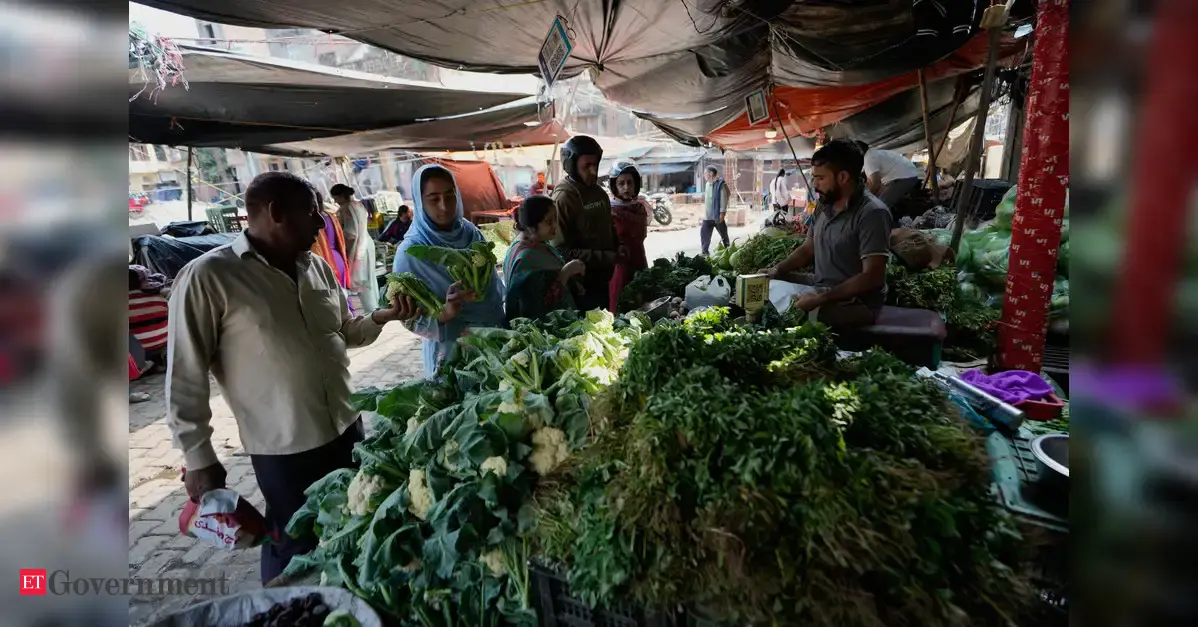
The Jammu and Kashmir administration has approved the transfer of more than 320 kanals of state land free of cost to establish modern fruit and vegetable markets across three districts in the Kashmir Valley. Under the sanction, land parcels have been allocated to the Agriculture Production Department to construct modern wholesale agricultural trade yards in Baramulla, Pulwama, and Kulgam. The initiative aims to upgrade the Union Territory's horticultural infrastructure and provide growers with direct access to structured marketplaces.
Official details indicate that a total of 320 kanals and 4 marlas of state land has been sanctioned for the project across the three valley districts. The largest single parcel comprises 250 kanals situated in Kulgam district to cater to south Kashmir's extensive horticultural belt. In addition, 50 kanals have been allocated at Palhallan village in the Pattan tehsil of north Kashmir's Baramulla district, alongside 20 kanals and 4 marlas in Nowdal village in Pulwama district's Tral tehsil.
The planned mandis are designed to function as comprehensive trading hubs equipped with modern post-harvest marketing amenities. Plans for the facilities include designated transaction sheds, electronic weighbridges, digital auction platforms, and modernized waste management networks. Officials intend to integrate transparent electronic payment gateways to ensure prompt remittances to farmers, minimizing payment disputes and delays that have traditionally hindered spot transactions.
Horticulture forms the economic backbone of the Kashmir Valley, providing livelihood to hundreds of thousands of farming households and contributing significantly to the regional gross domestic product. Kashmir produces the majority of India's temperate fruits, most notably apples, alongside walnuts, cherries, pears, and seasonal vegetables. Despite strong production volumes, local growers have long faced logistical constraints and inadequate physical trading infrastructure near major cultivation belts.
A primary objective behind expanding rural market infrastructure is curtailing high post-harvest losses and reducing reliance on unregulated middlemen. Without dedicated local wholesale hubs, many marginal growers are compelled to transport produce across long distances or enter distress sales with intermediaries who dictate pricing. The introduction of standardized trading yards within production centers is expected to streamline collection, sorting, and primary grading directly at the source.
The integration of digital mechanisms within the new wholesale yards is intended to promote transparent price discovery. By offering competitive bidding environments and verified weights, the facilities aim to protect growers from arbitrary price deductions and commission leakages. Better price realization at the farm-gate level is seen by agricultural economists as critical to maintaining farming viability amidst fluctuating climatic and market conditions.
Beyond primary trade, the establishment of decentralized fruit and vegetable markets is anticipated to generate considerable local employment and ancillary business activity. The operational hubs require logistics, loading, packaging, transport services, and warehouse maintenance, creating direct and indirect opportunities for rural youth. Officials also project that ancillary micro-enterprises, including packaging material suppliers and transport cooperatives, will naturally coalesce around these trading points.
With the land transfer formally cleared, the Agriculture Production Department is expected to commence site demarcations and finalize engineering layouts for the three sites. The phased execution will involve civil works, utility connections, and operational guidelines for licensed traders and commission agents. Regional agricultural authorities maintain that operationalizing these three modern yards will mark an essential step toward modernizing Jammu and Kashmir's farm supply chain.
Primary source: Google News Jammu and Kashmir. Newzly rewrites and structures source reporting for clarity; verify critical details at the original.