James Gunn Defends DCU Stories That Stand Apart From Crossovers
James Gunn pushed back against criticism that the DC Universe needs to build every project toward a major crossover, arguing that individual stories should matter beyond their connections to future films.
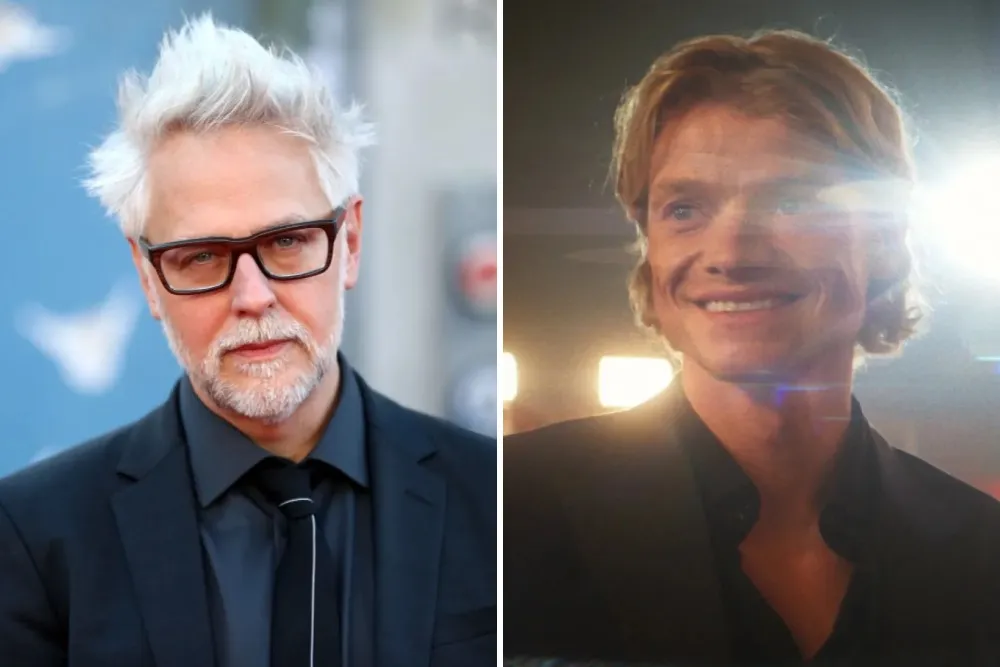
James Gunn defended his approach to the DC Universe on Saturday, rejecting the idea that its individual stories need to build toward a major crossover to have value. Responding to a commenter on Threads, the filmmaker argued that sharing a fictional universe should not make every project a steppingstone to another release.
According to Variety, Gunn joined the discussion after a commenter questioned the expectation that his films must lay the groundwork for one tightly interconnected narrative. His response addressed the distinction between building a shared setting and requiring every story within it to serve a single overarching destination. For Gunn, those are not the same creative obligation.
“I dislike the idea that individual stories aren’t meaningful unless they lead to something else,” Gunn wrote. He described the DCU as an alternate universe whose stories can begin in different places and at different times. That framing puts the immediate story, rather than its eventual franchise payoff, at the center of each project.
Gunn pointed to Star Wars as an example of a fictional world supporting stories across films, television, games and books. In his comparison, the shared setting provides room for different narratives without requiring each one to function primarily as preparation for the next. He also acknowledged differences in tone between that franchise and the DCU.
His defense did not amount to a rejection of continuity or recurring characters. Gunn said the Superman storyline extends from Superman into Man of Tomorrow and beyond, incorporating characters introduced elsewhere. The distinction, he explained, is that those other stories do not exist only to establish what happens within Superman’s continuing narrative.
Clayface served as his clearest example of the approach. Gunn said he wanted audiences to watch it for its qualities as a horror movie, rather than because they were anticipating the character’s appearance several films later. His emphasis was on the experience a project delivers itself, not merely the possibilities it leaves open.
The exchange highlights a question at the heart of interconnected franchises: whether an installment’s importance rests on its own story or its contribution to a larger event. Gunn’s answer leaves room for both, but resists making future connections the primary measure of success. Under that approach, a shared universe can support different genres without giving every release the same narrative assignment.
What remains unresolved in these remarks is the shape or timing of any larger crossover. Gunn’s comments instead identify the balance he wants the DCU to strike as it develops: continuing connections alongside stories with independent purposes. His stated aim is for audiences to care about the film in front of them, whether or not its characters return elsewhere.
Primary source: Variety. Newzly rewrites and structures source reporting for clarity; verify critical details at the original.