James Taylor recalls the danger and elation of fielding at short leg
James Taylor reflects on the danger and exhilaration of fielding at short leg, describing the desire to have the ball come his way despite the position’s unforgiving proximity to the batter.
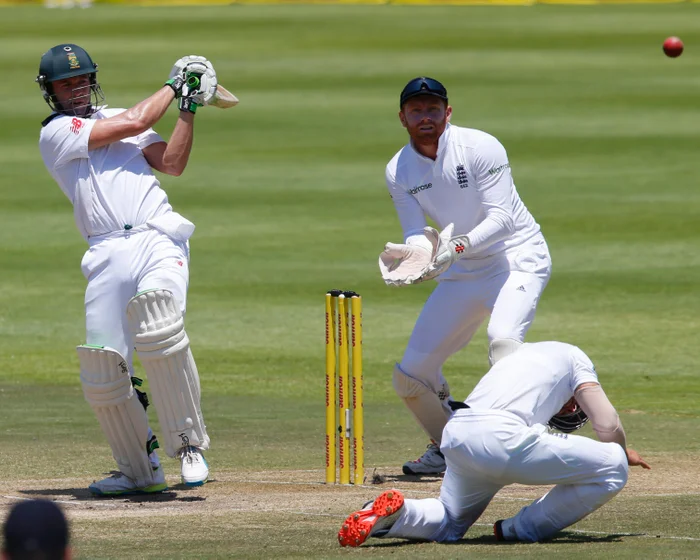
James Taylor recalls wanting the ball to come towards him while fielding at short leg, embracing the opportunity in a position defined by its proximity to the batter. In a Guardian Sport feature, his recollections bring together the danger of that assignment and what he describes as “moments of pure elation”.
“I wanted the ball to be hit at me,” Taylor says in the feature’s headline. The remark captures the central tension of the account: a fielder’s wish to be involved does not disappear because the position puts him in an exposed spot. Instead, the prospect of involvement becomes part of its appeal.
The Guardian presents short leg as cricket’s most dangerous fielding position, describing the experience as being “under the batter’s nose”. That framing makes closeness the defining element of the story. Taylor’s recollection is about more than accepting a difficult assignment; it concerns actively wanting the moment that would bring the danger directly towards him.
The feature introduces that theme through an image far removed from a cricket field: Boothill Graveyard on the outskirts of Tombstone, south of Tucson in Arizona. It describes the cemetery as the resting place of cowboys who died “with their boots on” in the brief, deadly shootouts of the wild west. The opening establishes a metaphor of exposure and confrontation rather than reporting a connection between the locations and Taylor.
Against that dramatic introduction, Taylor’s words offer a more personal account of sporting risk. His reference to elation places the reward alongside the threat, rather than treating short leg solely as an ordeal. The contrast helps explain the feature’s focus on why someone might welcome the ball instead of simply hoping to avoid it.
The account also emphasises what it calls the “twisted intimacy” of the position. Its language draws attention to the relationship created by standing so close to the batter, with the fielder’s experience bound to the action immediately in front of him. Taylor’s stated desire gives that description a competitive dimension: proximity is both the source of discomfort and the reason to be there.
The supplied excerpt does not identify a particular match, catch or incident behind Taylor’s recollections. Nor does it provide a detailed account of injuries or protective measures. Those limits matter when interpreting the headline’s description of danger: the available material offers a personal perspective, not a comparative assessment of cricket’s fielding positions.
What emerges is a portrait of an assignment whose attraction cannot be separated from its risk. The feature’s stated focus remains Taylor’s recollection of those intense moments, with his wish for the ball to come towards him providing the clearest expression of its central contradiction.
Primary source: The Guardian Sport. Newzly rewrites and structures source reporting for clarity; verify critical details at the original.