Jammu and Kashmir Details 41 OBC Communities Under Expanded 8% Reservation Quota
The Jammu and Kashmir administration has cataloged the 41 Other Backward Classes eligible for an expanded eight percent quota in public recruitment and higher education. The updated framework incorporates rural artisans, traditional boatmen, and displaced communities.
In this piece
Jammu and Kashmir has codified 41 Other Backward Classes eligible for an expanded eight percent reservation quota under amended territory rules. The updated…
The Jammu and Kashmir administration has codified a list of 41 Other Backward Classes entitled to an expanded reservation quota across public employment and educational institutions. Enacted under Statutory Order 176 amending the Jammu and Kashmir Reservation Rules, the revised framework elevated the affirmative action allocation for backward classes from four percent to eight percent. The statutory listing establishes formal criteria for communities historically recognized under localized social caste categories.
The updated roster replaces the older terminology of socially and educationally backward classes with standard Other Backward Class designations, aligning regional rules with central statutory definitions. Under Annexure-D of the amended rules, the administration detailed 41 distinct entries covering occupational, artisanal, and historically marginalized groups. The codification serves as an administrative baseline for issuing eligibility certificates and verifying domicile benefits.
A prominent component of the catalog encompasses Kashmir’s traditional aquatic economy and riverine communities that have operated across Valley waterways for generations. The designated groups include Bahach Hanjie, Bhat Hanji, Shikara Wallas, and traditional fishermen such as Gada Hanz. Notably, the statutory rules specify precise limits within these occupational classes, explicitly excluding commercial houseboat owners from claiming the quota.
The notification also incorporates widespread rural artisan guilds and manual service communities that have historically formed the backbone of village trade. Among these are Kumhars or potters, Hajjam and Nai barbers, Dhobi washermen, and Lohar and Tarkhan craftspeople working in metal and carpentry. Traditional basket and willow weavers known as Shaksaz, along with shoe repairers and leather workers, are similarly covered under the framework.
Rural millers and water carriers who sustain localized infrastructure receive recognition under the updated schedule. The classification includes Gharatis, who operate traditional rural water-powered grain mills, while deliberately excluding operators of modern electricity-driven commercial grinding units. Jheewar communities, historically responsible for transporting water and village manual services, are also cataloged within the eligible tiers.
Transport operators and agrarian pastoralists constitute another major pillar of the expanded 41-community roster. Markabans, who depend entirely on mules and horses to ferry passengers and freight through rugged mountainous terrain, are formally included alongside pastoral shepherd communities such as the Chopan and Waghey. Broader agricultural and land-tilling communities, including Jats, Sainis, and traditional oil-pressers, also hold recognized status under the revised annexure.
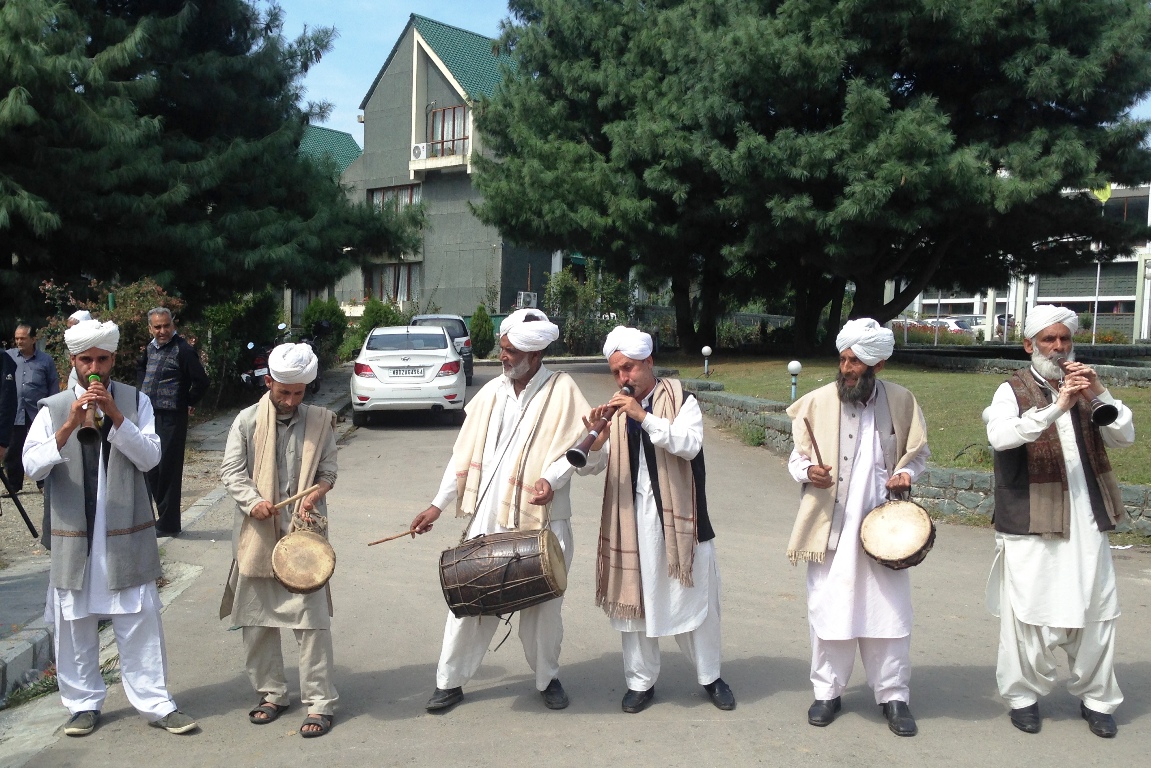
The government list further protects several hereditary folk artist collectives, wandering minstrels, and itinerant entertainers. Heritage groups such as Bhands and Baghat folk theater performers, Mirasi singers and genealogists, and Bazigar and Madari performers qualify under the statutory provisions. Spiritual performers associated with local shrine traditions, including Dambali Faqir and Kulfaqir communities, are documented for affirmative assistance.
The affirmative framework extends to communities defined by historic migration and partition-era displacement within the union territory. Gorkhas with generational roots in the region and West Pakistani Refugees are encompassed within the reservation pool. The order maintains strict legal boundary clauses, explicitly excluding sanitation workers such as Bangi, Khakrob, and Dooms who are already covered under separate Scheduled Caste schedules to prevent duplicate classification.
Beyond securing an eight percent reservation slice in public sector hiring and higher education seats, certified community members gain access to specialized institutional lending through backward class welfare corporations. Moving forward, revenue authorities face the administrative task of processing caste verification certificates while ensuring strict adherence to the specified exclusionary boundaries. The comprehensive roster is expected to shape socioeconomic mobility and legal representation for these diverse working-class segments across Jammu and Kashmir.
Primary source: Google News Jammu and Kashmir. Newzly rewrites and structures source reporting for clarity; verify critical details at the original.