Javed Akhtar’s remarks on Ram draw criticism from Sajid Rashidi
Javed Akhtar’s statement that Ram is “in the blood of every Indian” drew a sharp response from Maulana Sajid Rashidi, according to a Divya Bhaskar Entertainment headline.
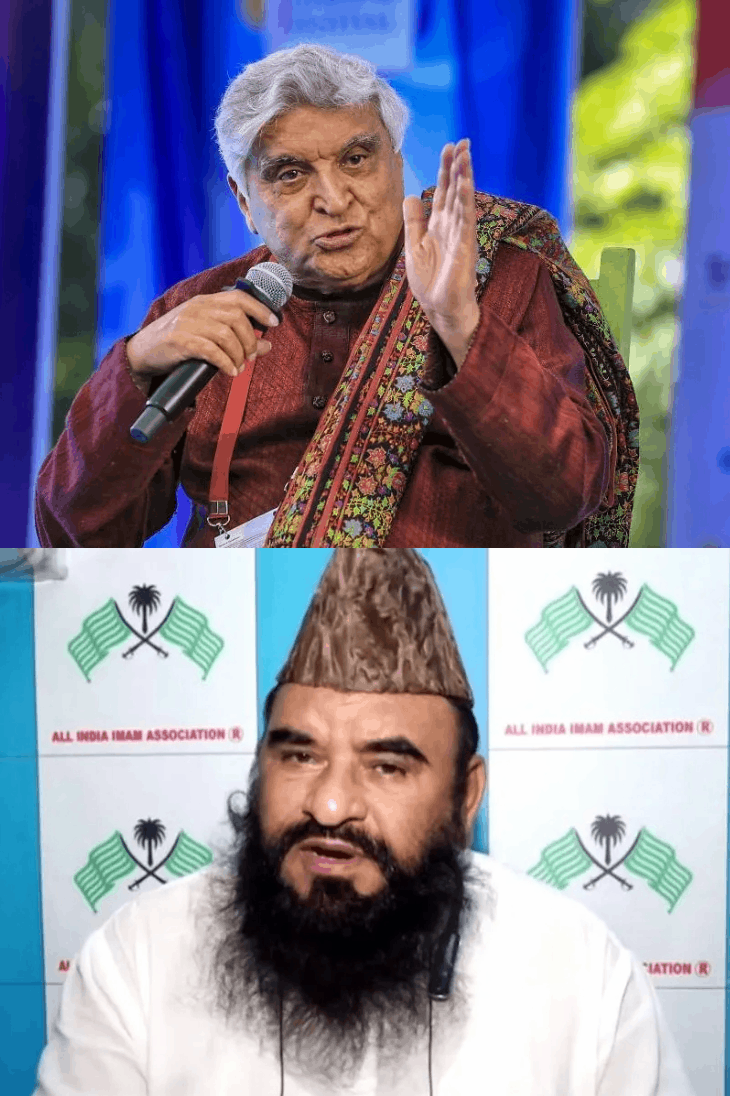
In this piece
Maulana Sajid Rashidi criticised Javed Akhtar over his statement that Ram is “in the blood of every Indian,” according to Divya Bhaskar Entertainment. Rashidi…
Javed Akhtar’s statement that Ram is “in the blood of every Indian” has drawn criticism from Maulana Sajid Rashidi, according to a headline published by Divya Bhaskar Entertainment. The headline attributes a pointed response to Rashidi, who told Akhtar to undergo a religious “homecoming” and change his name to Rampal.
The supplied report material contains only the headline, without an accompanying article or summary. It therefore establishes the remarks attributed to the two men but does not provide the occasion, timing or full context in which either statement was made.
Akhtar’s statement, as presented in the Gujarati headline, places Ram within a shared Indian identity. The wording is broad, referring to every Indian rather than to members of a particular religion, but the available material does not explain how Akhtar developed that argument or whether he qualified it elsewhere.
Rashidi’s response shifts the focus from that assertion of shared identity to Akhtar’s own religious identification. His reference to “ghar wapsi,” translated as “homecoming,” invokes religious conversion, while the instruction to adopt the name Rampal makes the criticism personal rather than addressing only the substance of the statement.
The distinction matters because a claim about a religious figure’s place in national culture is not necessarily the same as a declaration of personal religious belief. The supplied headline does not establish that Akhtar announced any change of faith, and Rashidi’s demand should not be read as evidence that such a change has occurred or is planned.
At the centre of the exchange is a disagreement over how references to Ram relate to Indian identity. Akhtar’s attributed wording presents that connection as universal; Rashidi’s reported reply treats the statement as grounds for challenging the speaker’s religious position. Without the fuller remarks, the precise reasoning behind either position remains unclear.
The headline characterises Rashidi as angered by Akhtar’s statement, but it does not document a wider reaction. There is no supporting material here establishing responses from other religious figures, public organisations or audiences, nor any indication of whether Akhtar has answered Rashidi’s criticism. Claims of a broader backlash would therefore go beyond the information supplied.
A fuller account would require the original statements or an article setting out when, where and in what context they were delivered. For now, the available source supports a narrow account: Akhtar made the remark about Ram and Indian identity, and Rashidi responded with criticism invoking religious conversion and a change of name.
Primary source: Divya Bhaskar Entertainment. Newzly rewrites and structures source reporting for clarity; verify critical details at the original.