Jeff Bezos on AI Bubble Fears and Why Retirees Should Stick to the S&P 500
Amazon founder Jeff Bezos warned that market bubbles are difficult to spot in real time, advising retirees to stick with broad S&P 500 index funds rather than speculating on individual artificial intelligence stocks.
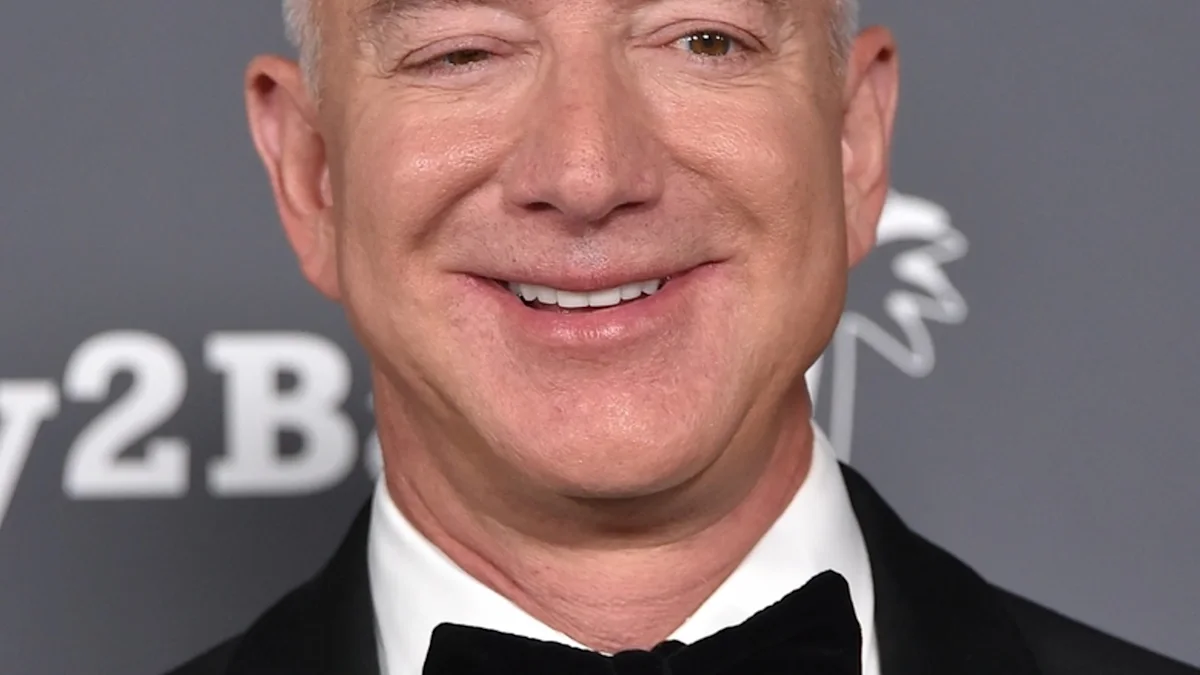
Amazon founder Jeff Bezos offered measured caution regarding the artificial intelligence frenzy, stating that while the technology represents a genuine breakthrough, individual investors should approach the market with care. In a recent interview, Bezos addressed persistent questions about whether the booming sector has entered a speculative bubble. Rather than recommending high-flying tech names to individual savers, the billionaire entrepreneur advised retirees to prioritize diversified index funds over individual equity bets.
Speaking with Fox News host Bret Baier, Bezos acknowledged the difficulty of determining whether artificial intelligence valuations have outstripped fundamental reality. Bezos explained that it is hard to know if the market is currently experiencing a bubble, but stressed that the fundamental technology powering the wave is undeniably real. He noted that transformative innovations frequently generate massive waves of enthusiasm that blur the lines between sustainable businesses and temporary hype.
According to Bezos, historical technology cycles typically attract vast sums of speculative capital that temporarily mask commercial viability. He observed that during major technological transitions, virtually every experiment secures funding, encompassing both brilliant innovations and flawed business models. In such an environment, distinguishing between long-term industry leaders and companies destined to fail becomes exceptionally challenging for even experienced market participants.
Bezos pointed out that even if speculative market enthusiasm eventually cools and some investors lose money, the underlying infrastructure and advancements do not vanish. He suggested that previous technological revolutions left behind valuable communications and digital networks after market corrections cleared out excess speculation. The enduring value of the technology, he argued, will persist regardless of how individual stock prices fluctuate in the near term.
When asked specifically how everyday investors living on fixed incomes or nearing retirement should approach the phenomenon, Bezos offered a classic piece of financial advice. Instead of chasing concentrated positions in individual artificial intelligence leaders, he recommended investing in broad market indices. Specifically, Bezos remarked that he would typically advise a retiree to put their money into the S&P 500.
The suggestion mirrors long-standing guidance from seasoned value investors, including Berkshire Hathaway chairman Warren Buffett, who has consistently championed low-cost index funds for retail savers. For individuals reliant on accumulated savings, broad diversification reduces the catastrophic risk of backing a single company that might stumble during competitive shakeouts. By holding the broader index, investors gain exposure to economic growth without having to forecast specific corporate winners.
Market analysts note, however, that purchasing the S&P 500 today still provides substantial indirect exposure to the artificial intelligence revolution. Because the benchmark index is weighted by market capitalization, its largest components consist of mega-cap technology corporations heavily invested in generative software, semiconductor hardware, and cloud computing. Consequently, an index investor still participates in the upside of the tech sector while maintaining broader exposure to healthcare, financials, and consumer goods.
Corporate spending on artificial intelligence infrastructure continues to accelerate as major tech firms commit tens of billions of dollars to advanced chips and data centers. While these capital investments underscore deep commercial commitment, market watchers remain divided over how quickly enterprise adoption will generate commensurate revenue. For retirees and conservative savers, that uncertainty reinforces the appeal of passive indexing over direct speculative wagers.
Looking ahead, investors are closely watching corporate earnings reports and capital expenditure forecasts to gauge the longevity of the current investment cycle. While enterprise enthusiasm shows few signs of abating, Bezos’s perspective highlights a timeless investing principle: distinguishing technological promise from financial risk remains paramount. For those managing retirement portfolios, navigating that divide will likely continue to center on broad diversification rather than chasing short-term market momentum.
Primary source: Yahoo Finance Markets. Newzly rewrites and structures source reporting for clarity; verify critical details at the original.