Jharkhand Assembly seeks reconsideration or withdrawal of MMDR Act
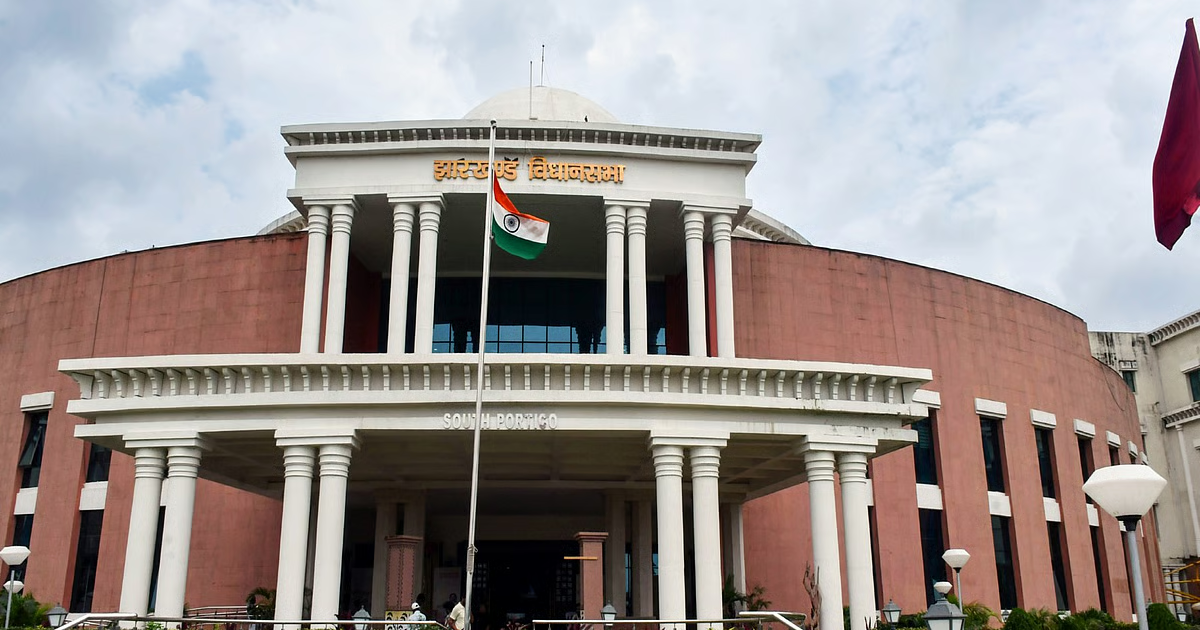
The Jharkhand Assembly has passed a resolution opposing the MMDR Act and seeking its reconsideration or withdrawal, according to The New Indian Express. The move formally records the legislature’s objection.
In this piece
The Jharkhand Assembly has adopted a resolution against the MMDR Act, demanding that it be reconsidered or withdrawn, The New Indian Express reported. The…
The Jharkhand Assembly has passed a resolution against the MMDR Act, calling for its reconsideration or withdrawal, according to a report by The New Indian Express. The decision places the state legislature’s opposition on record, although the supplied report extract does not identify the specific provisions being challenged or explain the grounds for the objection.
The resolution presents two possible outcomes: reconsideration of the legislation or its withdrawal. That wording establishes the broad demand, but the available material does not clarify whether the Assembly is seeking changes to particular provisions, a review of the wider legal framework or the reversal of a specific legislative measure.
The distinction between adopting a resolution and changing a law is important to understanding the development. The reported Assembly action expresses a legislative position and a demand for further action; it should not, on the information supplied, be read as confirmation that the contested law has been amended, suspended or withdrawn.
The issue concerns the legal framework associated with mining and mineral development, making the substance of the Assembly’s objections important to assessing its implications. However, the extract contains no details about affected minerals, mining operations, administrative powers or financial arrangements, so it does not establish what practical changes the legislature wants to secure.
The available source also does not identify who introduced the resolution, which members spoke on it or how the vote was conducted. Its passage therefore cannot be described as unanimous or supported across party lines, and no position can reliably be assigned to an individual political party or lawmaker from this material alone.
For those following the dispute, the resolution’s full text would be central to distinguishing its political message from its specific legal demands. Without that text, broader conclusions about the Assembly’s reasoning, the scope of the contested provisions or the consequences of accepting its request would go beyond what the supplied report establishes.
The demand also leaves open how the authorities responsible for the legislation might respond. No central government statement, commitment to review the law or timetable for addressing the Assembly’s concerns appears in the available extract, and the report summary does not indicate whether any discussions or follow-up proceedings have been scheduled.
The immediate confirmed development is therefore the Assembly’s adoption of a formal objection and its call for reconsideration or withdrawal. What happens next will depend on any response to that demand and the release of further details; the supplied material does not establish that a policy change or legislative revision will follow.
Primary source: Google News Jharkhand. Newzly rewrites and structures source reporting for clarity; verify critical details at the original.