world·Kerala·Ernakulam District
Kannada Writer Ravi Hanj Detained at Kochi Airport Amid Book Controversy
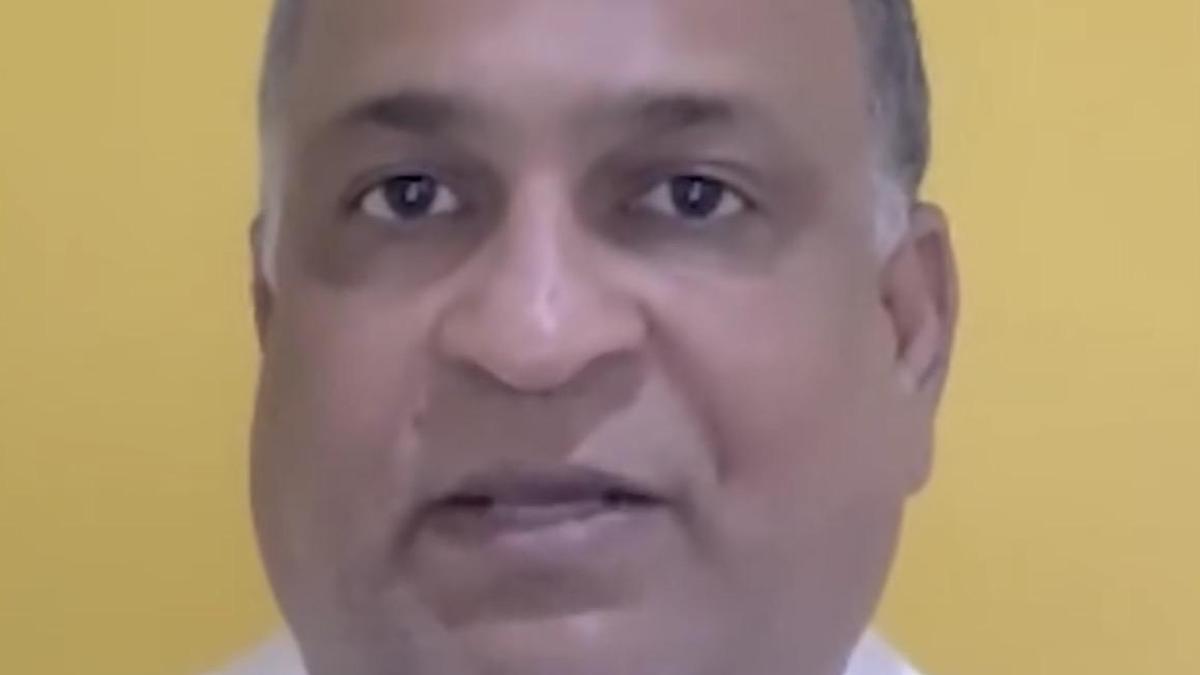
Kannada writer Ravi Hanj was detained at Cochin International Airport and served an appearance notice amid widespread outrage in Karnataka over his controversial book on 12th-century social reformer Basaveshwara.
In this piece
Kannada author Ravi Hanj was intercepted by authorities at Kochi airport while attempting to travel abroad following complaints over his book Basava Mantapa.…
Kannada author Ravi Hanj was intercepted by security and immigration officials at Cochin International Airport in Kochi while attempting to leave the country. Authorities served him a notice requiring his appearance before investigators following multiple criminal complaints registered in Karnataka over his controversial book Basava Mantapa.
The interception took place during routine security screenings as Hanj prepared to board an overseas flight. Kerala Police sources indicated that immigration authorities acted upon a lookout circular issued by law enforcement agencies in Karnataka, preventing him from exiting the country before investigators could question him.
The dispute stems from the publication of Basava Mantapa, a compilation of Hanj's newspaper columns, alongside several promotional video interviews circulated online. The writings and statements drew intense criticism from religious groups, cultural scholars, and political leaders across Karnataka, who accused the author of disparaging revered historical figures.
Critics alleged that the book contained derogatory and offensive remarks regarding the 12th-century philosopher, statesman, and social reformer Basaveshwara, commonly known as Basavanna. The Lingayat community and followers of the egalitarian Vachana movement registered strong objections, arguing that the text misrepresented foundational cultural values and hurt communal sentiments.
Following the public outcry, multiple First Information Reports were lodged against Hanj across several jurisdictions in Karnataka, including Bengaluru, Belagavi, and Vijayapura. Complainants demanded strict legal action against the author, accusing him of promoting enmity between communities and intentionally insulting religious traditions through his writings.
As protests intensified in several districts, the Karnataka government stepped in to address the escalating tensions. The state cabinet initiated measures to confiscate copies of the book and instructed law enforcement officials to pursue legal remedies, while also requesting social media platforms to remove associated video clips.
Basaveshwara holds immense historical, cultural, and spiritual importance in southern India, particularly for his pioneering efforts in creating the Anubhava Mantapa, an inclusive socio-religious academy. Because his teachings on equality and human dignity form the bedrock of Kannada literary and spiritual heritage, perceived insults directed toward his legacy often evoke widespread emotional and political reactions.
The episode has reignited broader conversations in the region regarding literary freedom, historical analysis, and the limits of free expression under Indian law. While cultural commentators emphasize the importance of scholarly discourse, community leaders have insisted that public discourse must avoid derogatory characterizations of revered reformist figures.
After being stopped at Kochi airport, Hanj was transferred to local police custody at the Nedumbassery police station before formalities were coordinated with Karnataka authorities. Officials confirmed that procedural protocols were followed to ensure the writer is formally questioned by investigating officers assigned to the open cases.
Karnataka Police teams are expected to question Hanj regarding the content of his publication and the context of his recorded public statements. Legal observers note that the proceedings will depend on whether investigators seek formal arrest or allow the writer to cooperate under conditional notices to appear before the designated courts.
Primary source: The Hindu. Newzly rewrites and structures source reporting for clarity; verify critical details at the original.