Karnataka Chief Minister Rejects ASHA Workers’ Pay Demand as Strike Reaches Ninth Day
Karnataka’s chief minister said striking ASHA workers could not “blackmail” the government and directed their demand for higher pay to the Centre, according to Divya Bhaskar.
In this piece
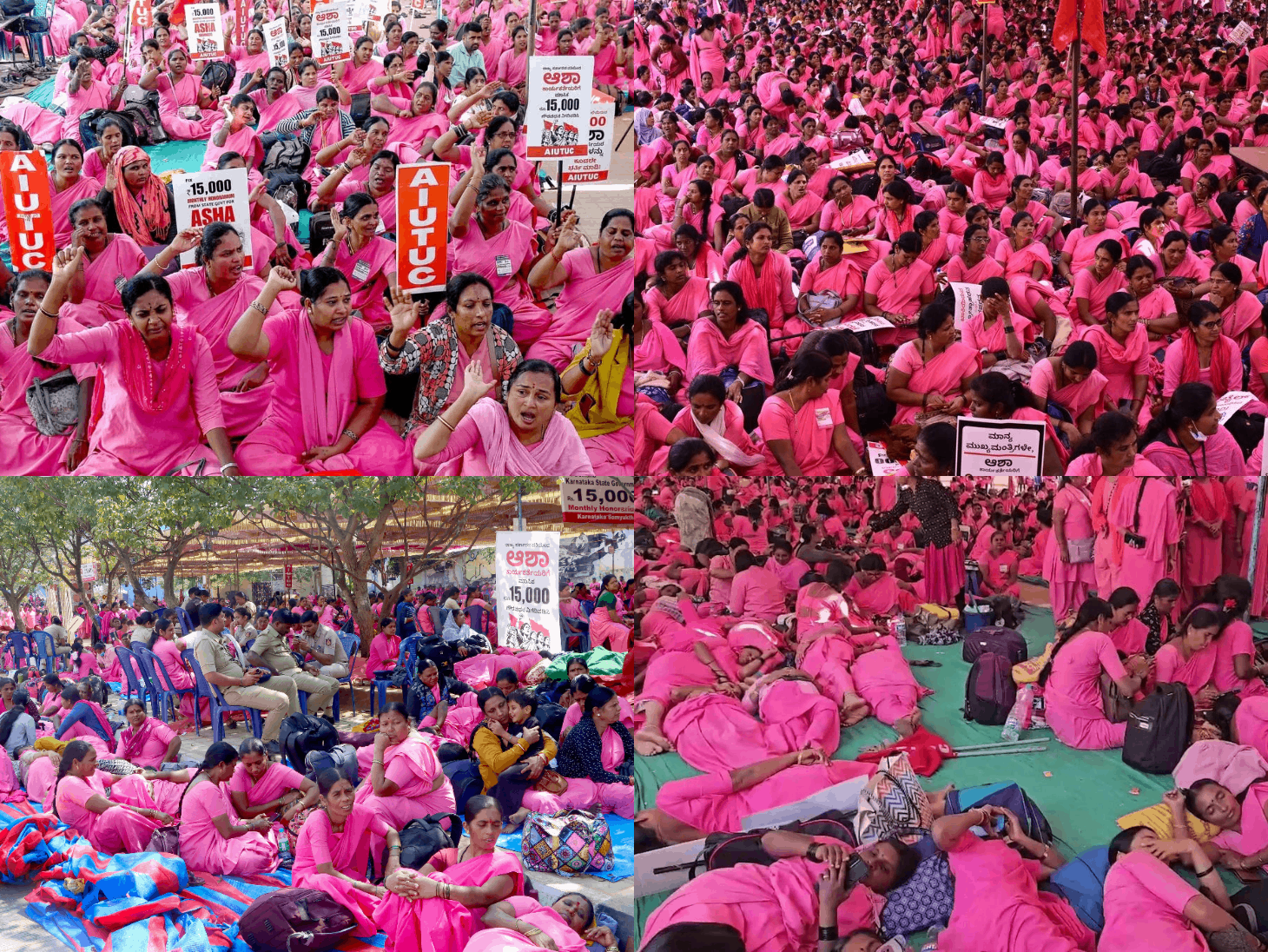
ASHA workers in Karnataka have been on strike for nine days seeking higher pay, Divya Bhaskar reported. The report’s headline attributed remarks to the chief…
Karnataka’s chief minister has rejected pressure from ASHA workers seeking higher pay, saying they cannot “blackmail” the government, according to a headline published by Divya Bhaskar. The report said the workers’ strike had reached its ninth day, with the pay demand still at the centre of the dispute.
The headline also attributed a direction to the chief minister that workers should take their demand to the central government. That response placed the question of which government should address the demand alongside the workers’ push for increased compensation, although the supplied material did not explain the respective responsibilities of the state and Centre.
The remarks presented a confrontational public response to the strike rather than an announcement of a pay settlement. The material supplied for this article contained no accompanying report text, so it was not possible to establish the full wording of the remarks, the circumstances in which they were made or any qualifications attached to them.
The workers’ stated demand was for a pay increase, according to the headline. It did not specify their existing compensation, the amount of the increase sought or whether their demands included changes to any other conditions, leaving the financial terms of the dispute unclear.
The description of the protest as a nine-day strike establishes that the disagreement had continued beyond an initial stoppage. However, the supplied information did not identify when the strike began, how many workers were participating or whether participation was concentrated in particular parts of Karnataka.
The use of the word “blackmail” is significant because it characterises the workers’ pressure on the government rather than addressing the size or basis of their pay request. That characterisation belongs to the official remarks as reported in the headline; the available material provides no basis for treating it as an independently established description of the workers’ conduct.
The direction to approach the Centre likewise does not, on its own, establish that the central government has accepted responsibility for responding to the demand. No central government response, explanation of funding arrangements or account from worker representatives was included in the supplied material, limiting what can be concluded about a possible route to agreement.
The immediate unresolved issue is whether the workers’ demand will lead to discussions or a revised government position. The supplied headline announced neither a settlement nor an end to the strike, and it gave no timetable for further talks, leaving the next steps uncertain on the information available.
Primary source: Divya Bhaskar National. Newzly rewrites and structures source reporting for clarity; verify critical details at the original.