Karnataka to study Japan’s urban transport, waste and infrastructure practices, CM says
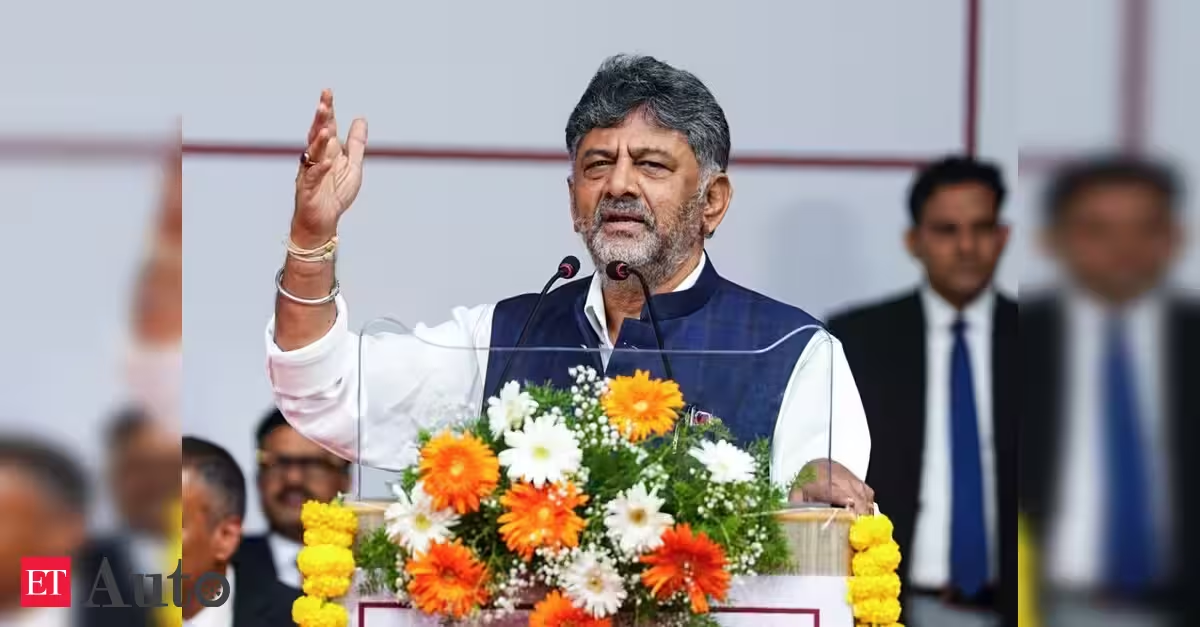
Karnataka’s chief minister says the state will look to Japan for urban transport, waste management and infrastructure practices, according to a report carried by ET Auto.
In this piece
Karnataka plans to draw on Japan’s experience in urban transport, waste management and infrastructure, the state’s chief minister has said, ET Auto reported.…
Karnataka’s chief minister has said the state will adopt practices from Japan in urban transport, waste management and infrastructure, according to a report published by ET Auto and circulated on Google News.
The available account is limited to that statement. It does not set out a formal agreement, a list of cities, a budget, or a schedule for when any change would begin. Officials have not, in the material at hand, described which Japanese models the state intends to study or how they would be adapted to local conditions.
The chief minister is not named in the short report that forms the basis of this article, and no direct quotation beyond the substance of the announcement is available. Readers should treat the plan as a policy signal rather than a completed programme.
Urban transport, solid-waste systems and civic infrastructure are recurring pressures for Indian state governments as cities grow. Karnataka, home to major technology and industrial centres, has long faced congestion, service-capacity and waste-handling questions in its urban areas. The report does not say which of those pressures the Japan-focused effort is meant to address first.
Japan is widely cited in planning circles for dense urban rail, disciplined waste sorting and long-lived public works. Whether Karnataka’s reference is to those well-known strengths, to a specific partnership, or to a study visit is not stated in the ET Auto item. This article does not assign a particular Japanese city, agency or company to the plan.
Adopting foreign practice in transport and waste systems usually requires more than a declaration. Routes, fares, depot design, collection rules and contractor roles have to fit existing laws, land constraints and municipal finances. None of those implementation steps is described in the source report.
The story was carried under an ET Auto headline, which places it in the outlet’s coverage of mobility and related industry news. The item does not indicate whether automakers, transit operators, waste firms or infrastructure contractors have been asked to participate.
For residents, the practical meaning depends on what follows: pilot corridors, changes in collection, or new capital projects. Those details are not in the report. Until the state publishes a scheme, the announcement functions as an intention to learn from Japanese practice rather than as a confirmed rollout.
Why the signal still matters is that transport, waste and infrastructure sit at the centre of how a state spends and how its cities function. A stated preference for Japanese methods could shape later tenders, technical assistance and training, if the government converts the remark into a programme. That conversion is not documented here.
What happens next is not specified. Further clarity would normally come from a government note, a departmental briefing or a fuller report naming partners and timelines. None of those follow-ups appears in the material used for this article.
Until such detail is released, the verified core of the story remains narrow: Karnataka’s chief minister has said the state will take up Japan’s urban transport, waste management and infrastructure practices, as reported by ET Auto.
Primary source: Google News Karnataka. Newzly rewrites and structures source reporting for clarity; verify critical details at the original.