Karnataka Transport Unions Urge Government to Cap Fleet of Vietnamese Electric Taxi Service
Private transport associations in Karnataka have petitioned the state government to place a cap on the fleet of Vietnamese-backed electric taxi service Green SM, warning that aggressive pricing could undermine local drivers.
In this piece
Commercial transport unions in Karnataka are urging the state government to limit the fleet size of Vietnamese electric taxi aggregator Green SM. Driver…
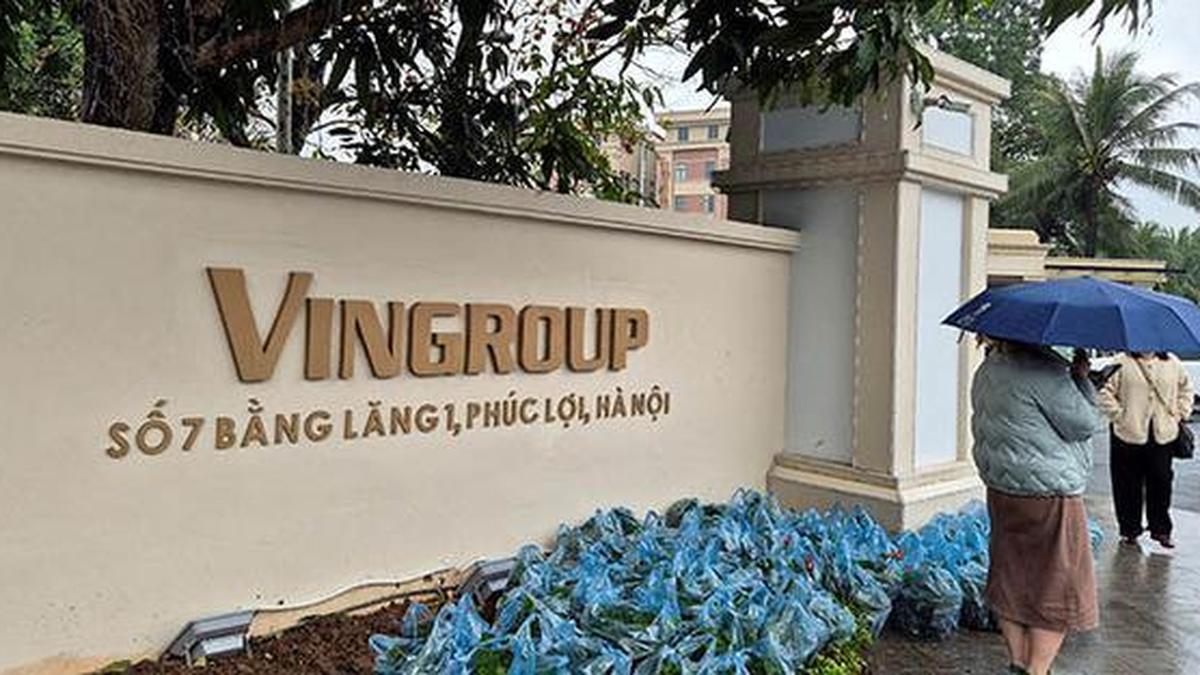
Private transport associations in Karnataka have approached the state government seeking an immediate cap on the operational fleet of Green SM, an all-electric ride-hailing aggregator backed by Vietnamese conglomerate Vingroup. The representations follow the Karnataka Transport Department's decision to grant an aggregator licence to the foreign entrant to launch operations in the state. Local driver unions and transport federations contend that unchecked deployment could overwhelm the existing commercial vehicle ecosystem.
Transport bodies, including the Karnataka Rajya Chalakara Parishath and Peace Auto Union, have formally raised objections with state transport authorities over the market entry. The unions have called for strict vehicle quotas and an immediate review of the operational permissions awarded to the new company. They maintain that without fleet limitations, local drivers operating traditional auto-rickshaws and app-based cabs will face severe financial hardship.
Central to the transport bodies' concerns are projections and reports of aggressive launch fares, with introductory rates anticipated as low as eight rupees per kilometre. Driver representatives argue that such subsidized tariffs amount to predatory pricing designed to capture passenger share rapidly. They warn that established independent drivers, already coping with vehicle maintenance costs and inflation, cannot survive competition against heavily funded corporate entrants.
The pushback also highlights fundamental structural differences between Green SM and established aggregators like Ola and Uber. Unlike platform models that connect self-employed gig workers driving their own vehicles to consumers, Green SM relies on a corporate direct-fleet system. Under this structure, the company owns its fleet of VinFast electric cars and deploys drivers who work on fixed monthly salaries.
Local unions assert that this corporate-owned, salaried fleet structure creates an uneven playing field across the urban transport sector. Self-employed commercial drivers bear the entire weight of vehicle loans, insurance premiums, platform commissions, and day-to-day operational expenses. By contrast, a capitalized corporate fleet can absorb operating deficits over long periods while depressing prevailing market rates.
In addition to demanding a fleet ceiling, driver associations are urging the Karnataka Transport Department to conduct a comprehensive compliance audit of the newcomer. The unions have demanded that regulators verify vehicle permits, fare calculation mechanisms, and mandatory vehicle inspections before commercial rollouts commence. They insist that requirements such as certified digital meters, visible fare displays, and functional emergency location systems must be rigorously checked across all deployed electric vehicles.
State transport officials have maintained that licences must be issued in accordance with established statutory provisions. Under the Karnataka On-Demand Transportation Technology Aggregators Rules, 2016, authorities are obligated to approve operational permits for any entity that satisfies the prescribed criteria. Department representatives noted that regulatory oversight cannot arbitrarily block a legitimate corporate applicant that adheres to state laws.
The conflict underscores broader growing pains as metropolitan transport markets transition toward electric mobility and corporate fleet management. State governments have actively sought private investments in electric commercial vehicles to curb urban vehicular emissions and meet sustainability goals. However, the rapid entry of large institutional fleet operators frequently triggers friction with legacy transport workers who fear displacement.
Union leaders have signaled that they will escalate demonstrations and submit further representations to senior government officials if their grievances remain unaddressed. Meanwhile, the transport department continues to assess compliance documentation as the Vietnamese-backed operator prepares its commercial launch across urban corridors. The unfolding standoff is expected to test the state government's ability to balance environmental modernization mandates with the livelihood protections of hundreds of thousands of local drivers.
Primary source: Google News Karnataka. Newzly rewrites and structures source reporting for clarity; verify critical details at the original.