Kashmir Clerics Announce Unified Friday Sermon Against Food Adulteration
The Muttahida Majlis-e-Ulama has directed mosques across Jammu, Kashmir, and Ladakh to deliver a common Friday sermon combating food adulteration and moral decline following major public health violations.
In this piece
The Muttahida Majlis-e-Ulama in Jammu and Kashmir will hold a coordinated Friday sermon addressing food adulteration, ethical decline, and collective…
The Muttahida Majlis-e-Ulama, the apex amalgam of Islamic organizations and scholars in Jammu and Kashmir, has announced a synchronized Friday sermon focusing on food adulteration, ethical decay, and collective social responsibility. The coordinated address is scheduled to be delivered concurrently across mosques, shrines, and Islamic institutions throughout Jammu, Kashmir, and Ladakh. Religious leaders intend to use the pulpit to confront urgent public health issues and reassert communal ethics.
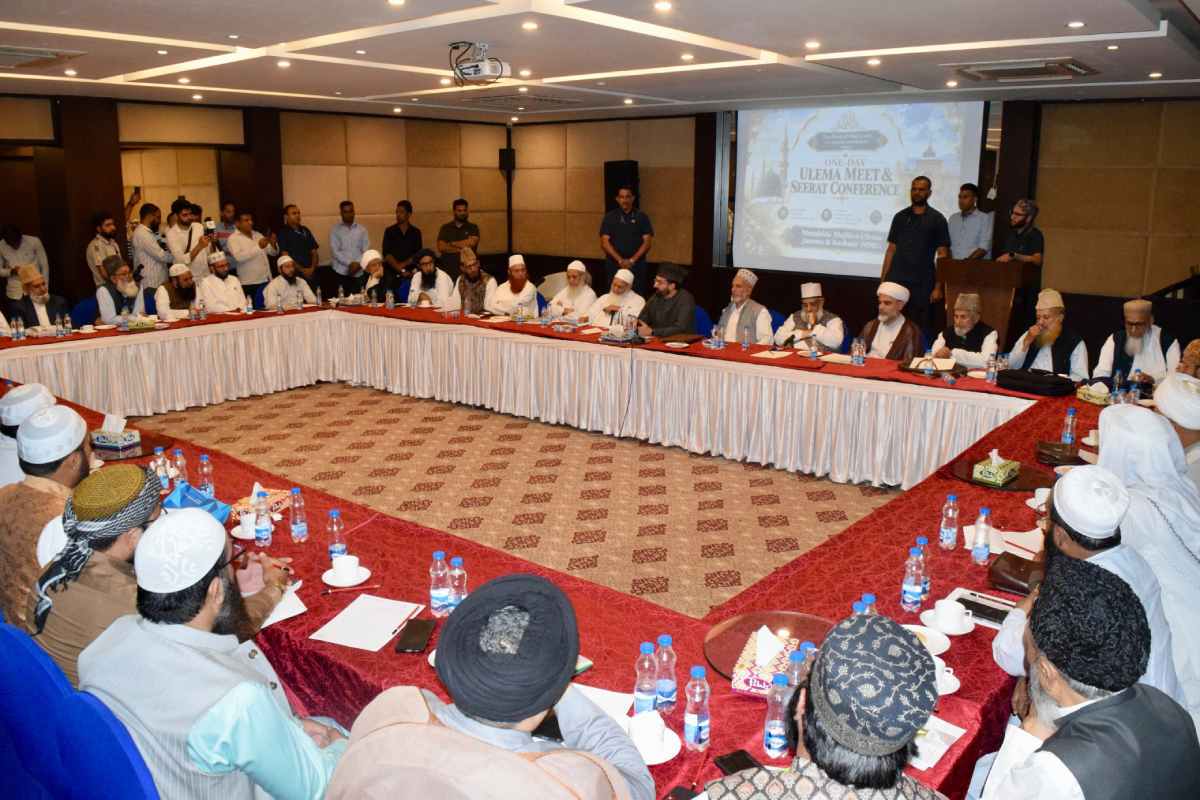
The resolution was formally adopted during a meeting of the MMU Khutbah Consultative Committee held at the Auqaf Office of the historic Jama Masjid in Srinagar. Prominent scholars, preachers, and institutional representatives took part in the deliberations, which were led under the patronship of Mirwaiz Umar Farooq. The committee established a unified framework to ensure the message resonates consistently across the entire region.
The campaign follows growing public outrage and acute anxiety over deteriorating food safety standards and illicit supply chains operating in the area. Widespread alarm was recently triggered when enforcement teams intercepted and destroyed around 1,600 kilograms of spoiled buffalo meat at Budgam Railway Station. The seized consignment had suffered significant cold-chain disruptions, making it entirely unfit for human consumption and exposing regulatory lapses.
Under the consultative guidelines, the sermon will detail the severe physical hazards and spiritual prohibitions surrounding tainted or mislabeled sustenance. The address will highlight core Islamic principles that strongly condemn deceptive transactions, short-weighing, and the sale of compromised food products. Scholars will reiterate that prioritizing illegitimate financial gain over human safety is a grave violation of faith.
The committee emphasized that traders, commercial distributors, and local shopkeepers must hold themselves accountable to rigorous standards of honesty. Preachers will appeal directly to business operators to abandon dishonest practices and ensure that all consumables sold to the public are clean, safe, and ethically sourced. The sermon will remind commercial stakeholders that fair dealing is both a civil duty and a moral imperative.
Alongside calls for commercial integrity, the MMU addressed the responsibility of state agencies tasked with monitoring food quality. The organization urged food safety departments and municipal administrations to intensify monitoring routines and enforce existing laws without compromise. Religious leaders stressed that administrative authorities must implement stringent oversight to deter repeated non-compliance across wholesale and retail markets.
The coordinated khutbah will also urge ordinary citizens to cultivate greater consumer consciousness and active community vigilance. Congregations will be encouraged to demand proper hygiene, verify product freshness, and report suspicious or adulterated goods to regulatory authorities without hesitation. The MMU noted that public health defenses cannot succeed without active citizen participation and consumer awareness.
Beyond the immediate focus on dietary safety, the sermon aims to confront broader patterns of societal indifference and moral decline. Scholars warned that overlooking dishonesty in commerce often reflects a wider erosion of civic and spiritual responsibility. The collective address will challenge communities to restore ethical standards in both private transactions and public life.
The synchronized Friday addresses represent a concerted effort by the regional clerical leadership to mobilize religious platforms in service of vital public interests. By bridging civic grievances and spiritual obligation, the initiative aims to build enduring public pressure on market actors and enforcement bodies alike. Observers note that sustained attention from the pulpit could prompt more robust regulatory crackdowns across Jammu, Kashmir, and Ladakh in the coming weeks.
Primary source: Google News Jammu and Kashmir. Newzly rewrites and structures source reporting for clarity; verify critical details at the original.