world·Kerala·Thiruvananthapuram District
Kerala Government Offers Talks to End 133-Day LPST Teachers' Protest
The Kerala government has offered formal talks to protesting Lower Primary School Teacher rank holders outside the Secretariat, seeking to resolve a 133-day agitation centered on delayed appointments and recruitment rules.
In this piece
The Kerala Chief Minister’s Office has agreed to hold discussions with the All Kerala Lower Primary School Teachers Rankholders' Association. The move follows a…
The Kerala government has signaled its readiness to initiate formal discussions with representatives of the All Kerala Lower Primary School Teachers Rankholders' Association, seeking an end to an escalating standoff outside the state Secretariat. The Chief Minister’s Office conveyed the decision to open dialogue after weeks of mounting tension surrounding the prolonged demonstration in Thiruvananthapuram. The outreach marks the first formal indication from the state administration in recent weeks toward resolving the protracted confrontation over government teaching appointments.
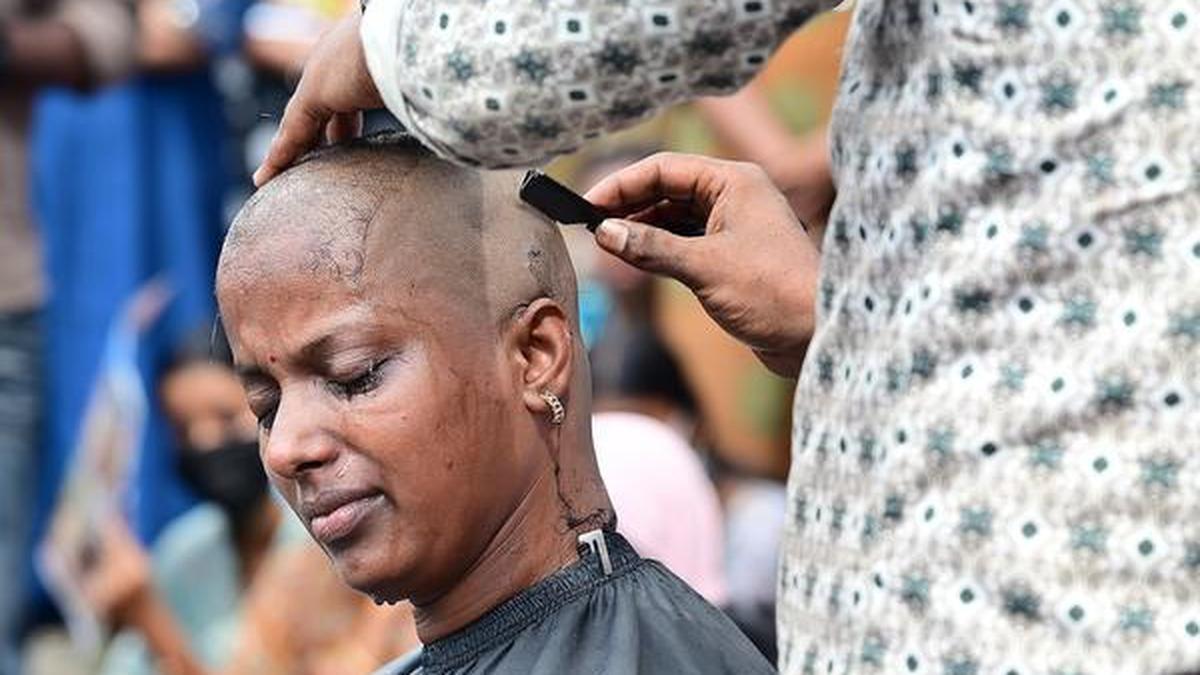
The agitation staged by teaching job aspirants reached its 133rd day in front of the Secretariat gates, drawing widespread public and political scrutiny across the state. Candidates featured on the Kerala Public Service Commission rank list have maintained a round-the-clock presence to highlight their prolonged wait for formal appointment orders. The longevity of the sit-in has turned the capital's administrative corridor into a central flashpoint for debates surrounding public sector recruitment and youth unemployment.
At the center of the protest is the demand for expedited job appointments from the existing Public Service Commission rank list before its statutory validity expires. The candidates have also demanded meaningful revisions to the prevailing teacher-recruitment framework, including a re-evaluation of how school vacancies are reported and calculated by the General Education Department. Additionally, the association has strongly urged the state administration to restructure the pupil-teacher ratio, advocating for a benchmark of one teacher for every twenty-five students.
Tensions escalated sharply following the decision by association secretary S. Valarmathi to undertake an indefinite fast-unto-death to press for government intervention. The worsening physical condition of the protesting leader prompted serious health concerns among fellow demonstrators and civil society observers monitoring the site. Medical interventions and growing alarm over her deteriorating vitals substantially amplified pressure on the authorities to break the bureaucratic deadlock.
The protest site had already experienced heightened friction following administrative actions to clear the area and dismantle the makeshift shed erected by the demonstrators. That police action drew fierce condemnation from opposition parties and student organizations, who accused the administration of attempting to suppress legitimate democratic dissent. The resulting political backlash, coupled with daily public expressions of solidarity with the job seekers, intensified calls for immediate ministerial engagement.
State authorities had previously hesitated to concede to structural demands regarding the teacher-student ratio, citing heavy financial liabilities and administrative complexities. Officials had noted that altering recruitment ratios across state-run and aided schools entails long-term fiscal consequences for the state treasury. Those previous reservations had led earlier rounds of communication to stall, leaving rank holders skeptical of administrative assurances that lacked concrete timelines.
Despite the welcome reception to the dialogue offer, association leaders have maintained an assertive and cautious stance regarding the impending discussions. Protesters clarified that the demonstration and hunger strike will not be withdrawn merely on the promise of talks. Speaking on behalf of the agitators, leadership representatives stated that the stir would conclude only when the government provides concrete, written commitments addressing their primary demands.
The dispute touches upon broader debates regarding the state's school education ecosystem, where falling enrollment in primary classrooms often clashes with the aspirations of qualified teaching candidates. Teacher unions and candidate associations argue that maintaining favorable student-teacher ratios is vital for safeguarding classroom quality and preserving public education standards. Conversely, state administrators must balance those pedagogical priorities against tight budgetary limitations and demographic shifts within elementary schools.
As preparations for the official talks get underway, attention shifts to the specific formula the Chief Minister's Office and education officials will put on the table. Both sides face substantial pressure to achieve a negotiated settlement that addresses candidate grievances while remaining administratively feasible for the state government. Observers note that the outcome of these talks will serve as a crucial test of the administration's ability to defuse persistent public service employment disputes through peaceful dialogue.
Primary source: Google News Kerala. Newzly rewrites and structures source reporting for clarity; verify critical details at the original.