Kerala Records Lowest Anaemia in National Survey as Gujarat Logs High Youth Burden
The ICMR-NIN SAMPADA survey reveals sharp regional disparities in anaemia across India, with Keralam recording the lowest rates among children while Gujarat logs high levels, including 41.5 percent among adolescent boys.
In this piece
A comprehensive nationwide nutrition survey by ICMR-NIN shows Keralam leading India with the lowest anaemia rates among children. In contrast, Gujarat recorded…
Keralam has recorded the lowest prevalence of anaemia across India among young children and school-age cohorts, according to landmark findings from the ICMR-National Institute of Nutrition's SAMPADA survey. In sharp contrast, Gujarat registered some of the highest burdens in the country, leading all states with a 41.5 percent anaemia rate among adolescent boys.
The Survey for Assessment of Markers of Population Health, Activity, Diet and Anthropometry (SAMPADA) 2023–25 evaluated nutritional health across more than 81,000 households nationwide. In Keralam, anaemia prevalence stood at 14.5 percent among children aged 12 to 59 months and dropped to 9.8 percent among children aged 5 to 9 years, outperforming every other state and Union territory.
Gujarat presented a markedly different public health picture, showing widespread vulnerability across youth demographics. Aside from its peak 41.5 percent rate among teenage boys—nearly double the national average of 22.8 percent—the western state also posted alarming figures of 56.5 percent among toddlers and 51.7 percent among school-age children.
The report highlighted steep geographic variations in nutritional outcomes across India. While Andhra Pradesh recorded the highest anaemia rate in children under five at 57.5 percent, states such as Chhattisgarh and the Union Territory of Ladakh experienced levels approaching 60 percent among children aged 5 to 9 years.
On a national scale, the survey demonstrated that anaemia remains pervasive among female populations despite widespread public health interventions. Nationwide figures showed that over 55 percent of women of reproductive age and approximately 46 percent of adolescent girls continue to suffer from anaemia, reflecting persistent systemic vulnerabilities.
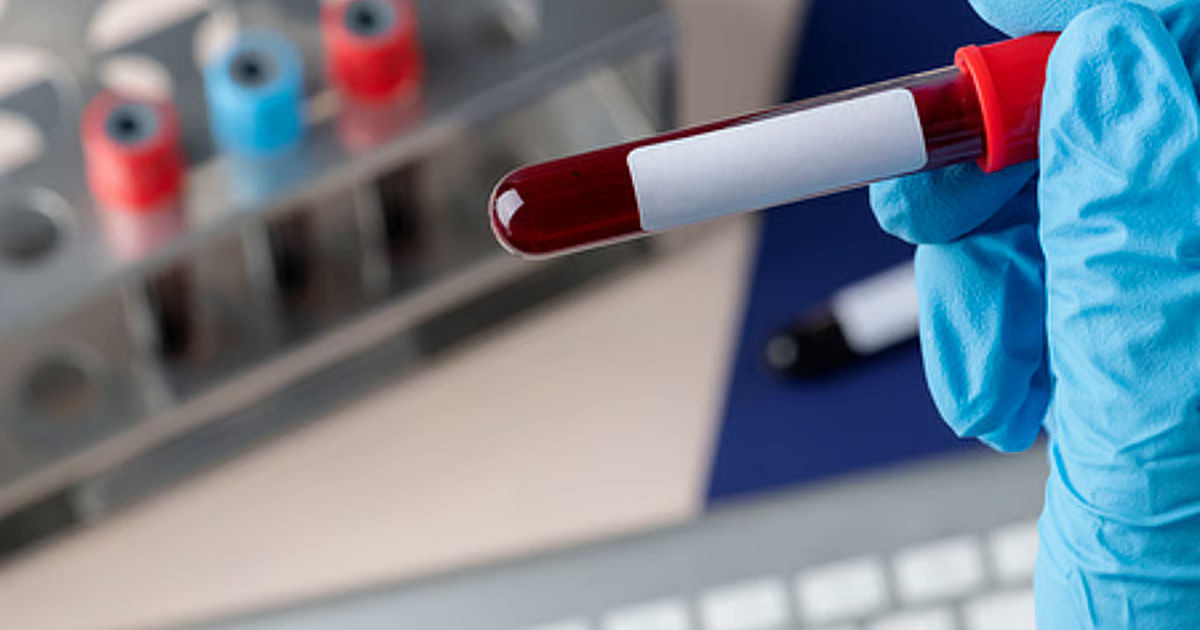
Public health researchers noted an important silver lining in the clinical data, with severe anaemia accounting for less than two percent of cases across most demographic groups. The SAMPADA survey utilized venous blood sampling and automated laboratory analysers, a methodology considered far more reliable than the rapid point-of-care capillary tests commonly used in past assessments.
The stark disparity between Keralam and Gujarat underscores how divergent public health strategies, dietary traditions, and healthcare delivery systems shape nutritional outcomes. Health economists have often pointed to Keralam's decentralized healthcare network, high maternal literacy, and diversified dietary habits as critical shields against micronutrient deficiencies.
Conversely, high anaemia levels in economically industrialized states like Gujarat reveal that economic growth alone does not guarantee optimal nutritional outcomes. Public health specialists indicate that vegetarian-heavy diets with low bioavailability of iron, coupled with gaps in targeted supplementation, may contribute to elevated rates among young males and children.
Health administrators and nutritionists expect the granular baseline from the SAMPADA dataset to prompt a recalibration of national nutrition missions, including the Anaemia Mukt Bharat initiative. Policy experts emphasize that future interventions must move beyond one-size-fits-all iron distribution to address regional dietary patterns, clinical screening accuracy, and root causes of micronutrient deficits.
Primary source: Google News Gujarat. Newzly rewrites and structures source reporting for clarity; verify critical details at the original.