Kilmar Abrego García Departs U.S. for Spain After Prolonged Deportation Battle
Salvadoran migrant Kilmar Abrego García has departed the United States for Spain under a negotiated agreement, ending an intense legal clash over wrongful removal and federal attempts to expel him to a third country.
In this piece
Kilmar Abrego García, the Salvadoran migrant mistakenly deported to an El Salvador mega-prison before being returned by federal court order, has left the United…
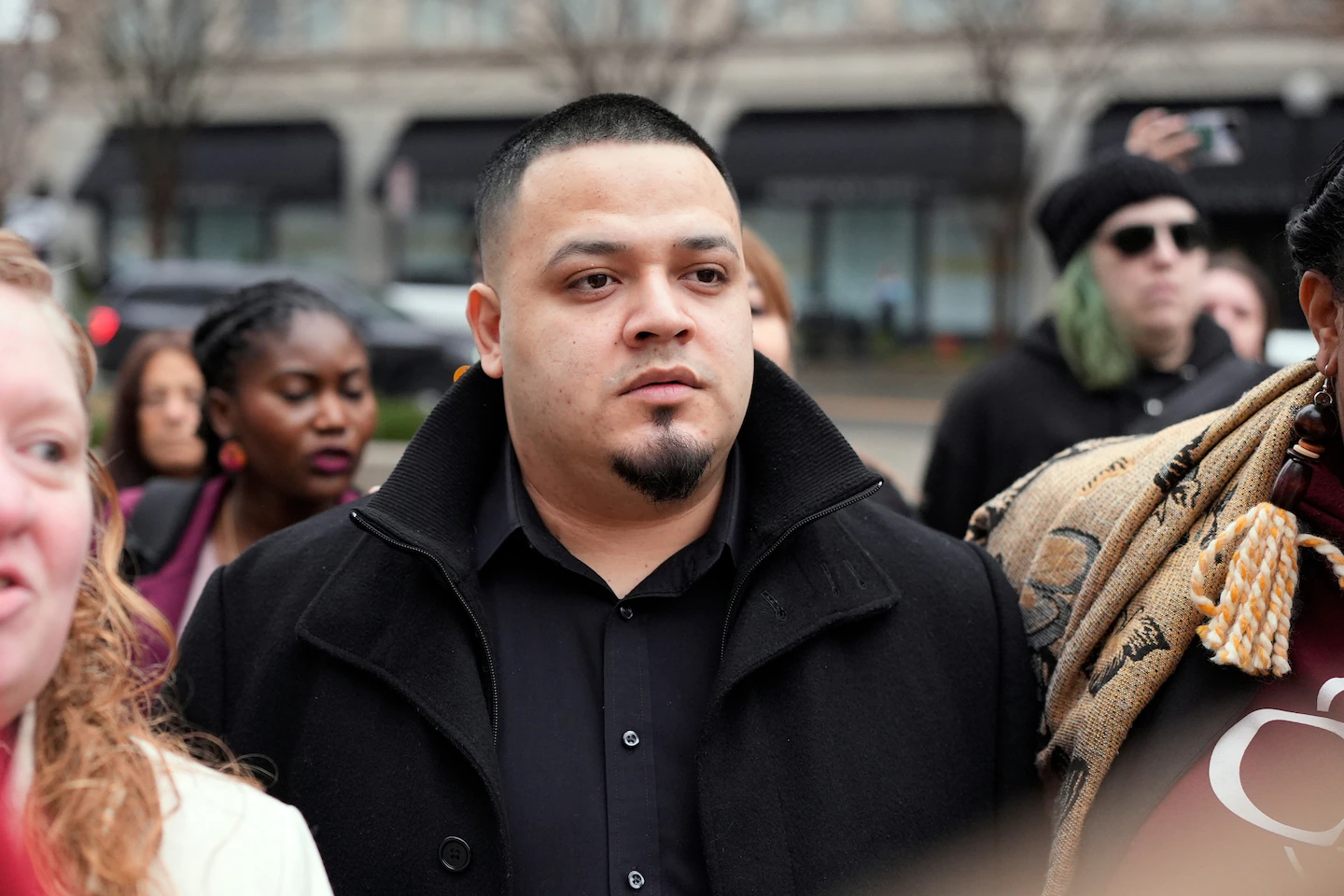
Kilmar Abrego García, the Salvadoran migrant whose prolonged legal fight against federal immigration authorities drew national scrutiny, has left the United States for Spain under a negotiated departure agreement. The 31-year-old boarded a commercial flight in Virginia after federal agents removed his court-ordered GPS ankle monitor. The voluntary departure resolves an escalating confrontation between his defense attorneys and the federal government over attempts to expel him to a third country.
Under the terms of the settlement, Abrego García agreed to self-deport to Spain rather than face involuntary expulsion by immigration authorities. The resolution was finalized following weeks of intense discussions between his legal representatives and the Department of Homeland Security. Immigration officials confirmed his departure from Dulles International Airport, marking the conclusion of his physical presence in the United States while formal court dockets wind down.
Abrego García had lived in Maryland alongside his U.S. citizen wife and young child for years before becoming entangled in heightened federal enforcement initiatives. In 2019, an immigration judge granted him protection from deportation to El Salvador after finding he faced credible threats of gang violence in his native country. That judicial order was designed to legally shield him from being returned to the specific dangers documented during his initial asylum hearings.
Despite that standing protection, federal authorities removed Abrego García to El Salvador in March 2025 during an expansive enforcement sweep. He was subsequently placed inside the Center for the Confinement of Terrorism, a high-security mega-prison operated by the Salvadoran government. Immigration and Customs Enforcement officials later acknowledged in court filings that his transfer was an administrative error that directly violated his court protections.
His wrongful deportation triggered emergency legal challenges that eventually reached the United States Supreme Court. Following judicial directives ordering the government to rectify the procedural violation, federal officials were compelled to facilitate Abrego García's return to American soil. His return was widely regarded by civil rights advocates as a rare and critical reversal of an improper removal executed during broad deportation sweeps.
Shortly after returning to the United States, federal prosecutors pursued separate criminal human smuggling allegations against him in Tennessee. A federal judge ultimately dismissed those charges, criticizing the prosecution as an improper exercise of government authority intended to justify his continued detention. The dismissal removed a significant barrier to his release, although immigration authorities immediately resumed administrative efforts to expel him.
Department of Homeland Security officials subsequently sought to deport Abrego García to an African nation rather than El Salvador, testing novel legal mechanisms for third-country expulsions. His legal team vigorously challenged the maneuver in federal court, arguing that dispatching him to an unfamiliar country where he had no family or social ties was punitive and unlawful. The prospect of transfer to an overseas jurisdiction prompted expedited negotiations that ultimately opened the pathway to resettlement in Spain.
Supporters and elected officials, including Maryland Senator Chris Van Hollen, closely monitored the proceedings and welcomed the arrangement allowing Abrego García to relocate safely. Advocates emphasized that reaching Spain enables him to rebuild his life in a destination of his own choosing, beyond the reach of further detention. While the move separates him geographically from his immediate family, supporters expressed relief that he avoided confinement in El Salvador or involuntary relocation to Africa.
The resolution highlights deepening legal tensions over aggressive immigration enforcement and the limits of executive power in fast-tracked deportation cases. Legal scholars noted that Abrego García's case exposed serious systemic risks in procedural safeguards when mass deportation directives collide with established judicial stays. The dispute has already become a central reference point in national debates regarding government accountability and constitutional due process for noncitizens.
Abrego García is expected to establish legal residency and seek permanent humanitarian protections in Spain through established international channels. His attorneys indicated they will continue monitoring post-departure logistics to ensure full compliance with the negotiated agreement and safeguard his rights abroad. The resolution leaves unresolved major administrative questions for immigration courts regarding institutional safeguards against future enforcement errors.
Primary source: Google News Washington. Newzly rewrites and structures source reporting for clarity; verify critical details at the original.