Kindle Paperwhite Review: Physical Buttons Return at a Premium
Amazon has brought physical page-turn buttons back to the Kindle Paperwhite via a new magnetic cover, but the accessory requires an expensive Signature Edition upgrade that pushes total costs toward $280.
In this piece
Amazon's latest Kindle Paperwhite lineup restores physical page-turn buttons through a specialized Page Turn Cover, answering a longtime request from e-reader…
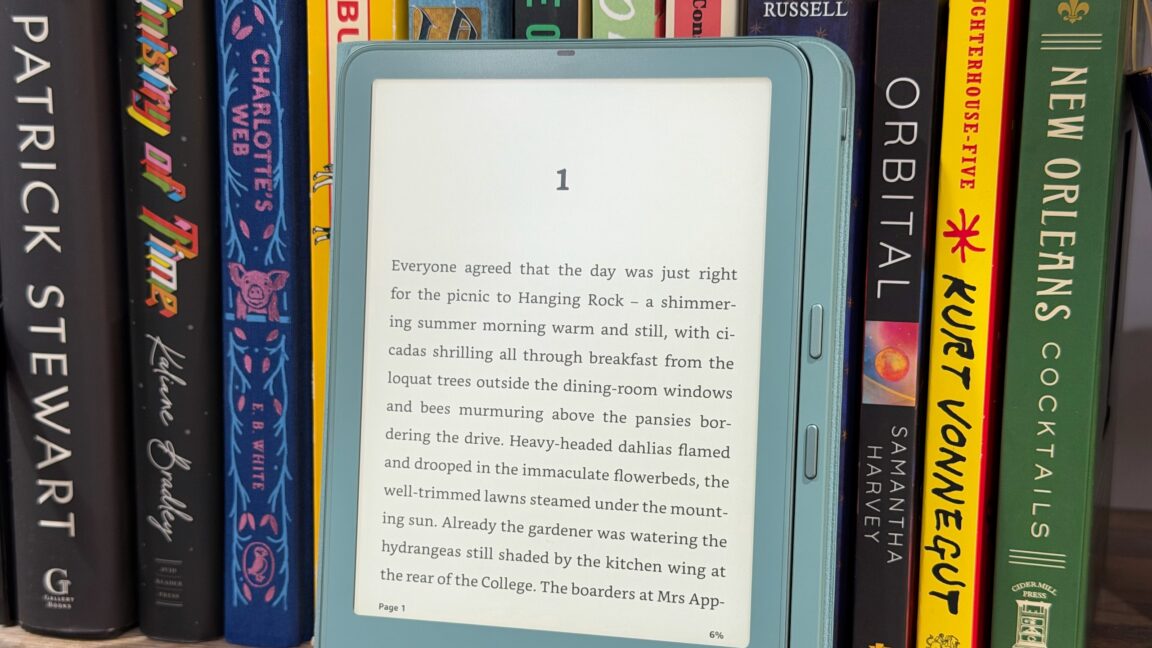
Amazon has brought physical page-turn buttons back to its flagship e-reader line, but the long-requested feature comes with a notable catch and an elevated price tag. Rather than embedding buttons directly into the chassis of the latest Kindle Paperwhite, the company has introduced an optional magnetic accessory called the Kindle Page Turn Cover. The review of the setup highlights how the accessory restores a beloved reading experience while requiring customers to pay a steep premium for hardware upgrades.
The physical controls are not compatible with the standard Kindle Paperwhite. Instead, readers must purchase the higher-tier Kindle Paperwhite Signature Edition, which features specialized copper pogo-pin connectors on its rear casing. The dedicated Page Turn Cover snaps onto the back of the device, drawing power directly from the e-reader without needing Bluetooth pairing or separate battery charging.
The financial barrier to entry represents the primary point of friction for prospective buyers. The Kindle Page Turn Cover retails on its own for approximately $79.99, while the compatible Signature Edition Paperwhite costs around $199.99. When purchased together, the bundle pushes the total investment to nearly $280 before taxes, making a button-equipped reading setup significantly more expensive than standard entry-level e-readers.
For years, Amazon reserved physical buttons for its premium Kindle Oasis line, which featured an asymmetrical aluminum frame designed for comfortable one-handed reading. Following the retirement of the Oasis, dedicated readers expressed frustration over having to rely entirely on capacitive touchscreens for navigation. The new accessory system represents Amazon's compromise, reviving tactile navigation without maintaining a separate high-end hardware line.
The Page Turn Cover features an extended right-side bezel housing two tactile click buttons. Crafted from water-resistant, plant-based faux leather, the case retains an IPX8 rating and includes automatic sleep and wake magnets. While the buttons provide responsive feedback, adding the cover noticeably increases the overall thickness and weight of the typically lightweight Paperwhite.
On the software side, Amazon has integrated flexible button configuration directly into the Kindle operating system. Users can adjust settings to determine whether the upper or lower switch advances pages forward, tailoring the device to their individual grip. The interface also supports automatic screen rotation, allowing readers to flip the device and use the buttons with either hand.
Because the accessory connects through physical pogo pins, page transitions remain instantaneous with no noticeable input lag. The case relies entirely on the e-reader's internal battery for operation, but testing shows the power draw is minimal compared to the energy consumed by the display backlight. Readers can still expect weeks of battery life under normal reading habits.
The shift toward modular accessories highlights Amazon's evolving strategy in the mature e-reader marketplace. By unbundling physical controls into an optional accessory, the company keeps manufacturing costs lower on mainstream models while monetizing power users who demand tactile feedback. However, this tiered approach risks alienating budget-conscious readers who consider page-turn buttons a basic ergonomic necessity rather than a luxury perk.
As the e-reader market contends with competition from rival brands like Kobo and Boox that offer built-in buttons at lower prices, Amazon's accessory model faces real scrutiny. Industry observers note that while existing Kindle fans with deeper pockets will welcome the return of buttons, the substantial cost barrier may limit adoption. Future updates to the Kindle lineup will reveal whether Amazon continues this modular accessory experiment or eventually integrates buttons back into standard hardware.
Primary source: Ars Technica. Newzly rewrites and structures source reporting for clarity; verify critical details at the original.