world·Kerala·Kottayam District
Knanaya Catholics Move Supreme Court Against Kerala High Court Verdict on Endogamy
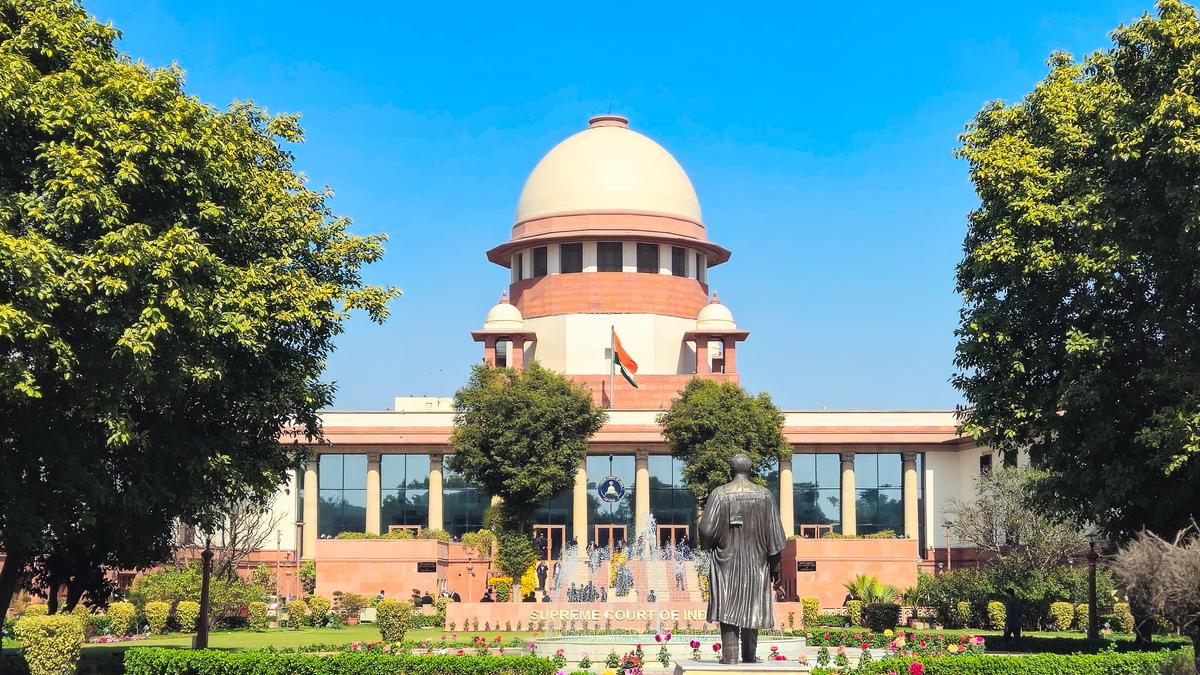
Knanaya Catholic representatives have moved the Supreme Court of India against a Kerala High Court judgment that struck down mandatory endogamy, arguing the ruling threatens the community's historic identity.
In this piece
Members of Kerala's Knanaya Catholic community have petitioned the Supreme Court to overturn a High Court verdict invalidating their practice of endogamy. The…
Members of the Knanaya Catholic community have approached the Supreme Court of India to challenge a Kerala High Court verdict that struck down the community's centuries-old practice of endogamy. The petitioners, including church leadership and community organizations, are seeking to overturn the judicial ruling that declared mandatory within-group marriage unconstitutional and discriminatory.
The dispute centers on the custom enforced by the Archeparchy of Kottayam, under which Knanaya Catholics who marry outside their specific sub-sect lose their parish membership and community privileges. Reform-minded parishioners had challenged the long-standing rule in civil court, arguing that compulsory expulsion upon marrying fellow Catholics from other dioceses violates basic personal liberties and religious freedoms.
Earlier this year, the Kerala High Court ruled against the practice, holding that endogamy cannot be deemed an essential religious practice protected under the Constitution of India. The High Court determined that denying church membership and related rights to individuals who marry outside the fold infringes upon their fundamental rights to life, personal liberty, and freedom of conscience.
The High Court also rejected arguments that the Archeparchy of Kottayam constitutes a distinct religious denomination entitled to enforce mandatory endogamy under the guise of internal administrative autonomy. The judges observed that institutional rules cannot override the constitutional guarantees ensuring dignity and equality for individual believers within the broader Catholic Church.
In their appeals before the Supreme Court, traditionalist community representatives contend that the High Court failed to appreciate the unique ethnic and historical heritage of the Knanaya people. They maintain that the practice of marrying strictly within the group is foundational to preserving their collective identity, tracing back their migration to the Malabar coast centuries ago.
The petitioners argue that Article 26 of the Constitution safeguards the collective rights of religious denominations and distinct groups to manage their own cultural and institutional affairs. From their perspective, the judicial invalidation of endogamy threatens the demographic survival and cultural continuity of a minority group that has maintained its distinct lineage for generations.
The controversy highlights a growing legal tension in India between community autonomy and individual rights within religious institutions. Progressive members within the Knanaya fold have welcomed judicial intervention, asserting that no religious or ethnic custom should be permitted to socially ostracize individuals or strip them of their faith community merely based on their choice of spouse.
A Supreme Court bench comprising Justices B.V. Nagarathna, R. Mahadevan, and Sanjeev Sachdeva considered the special leave petitions challenging the High Court judgment. The top court decided to defer substantial arguments, scheduling further consideration of the dispute for January 2027.
The apex court’s decision to pause proceedings is closely tied to an ongoing review before a larger nine-judge Constitution Bench in the Sabarimala reference matter. That larger bench is tasked with settling foundational questions regarding the scope of judicial review into essential religious practices and the delicate balance between individual rights and denominational freedoms.
As the matter awaits a definitive ruling from the highest court, the debate within the Knanaya Catholic fold remains deeply polarized. The eventual decision by the Supreme Court is expected to set a major constitutional precedent regarding the enforceability of customary endogamy and the limits of ecclesiastical authority across India.
Primary source: Google News Kerala. Newzly rewrites and structures source reporting for clarity; verify critical details at the original.