Ledger Wallet Tampering Probe Extends to Berlin and Dubai
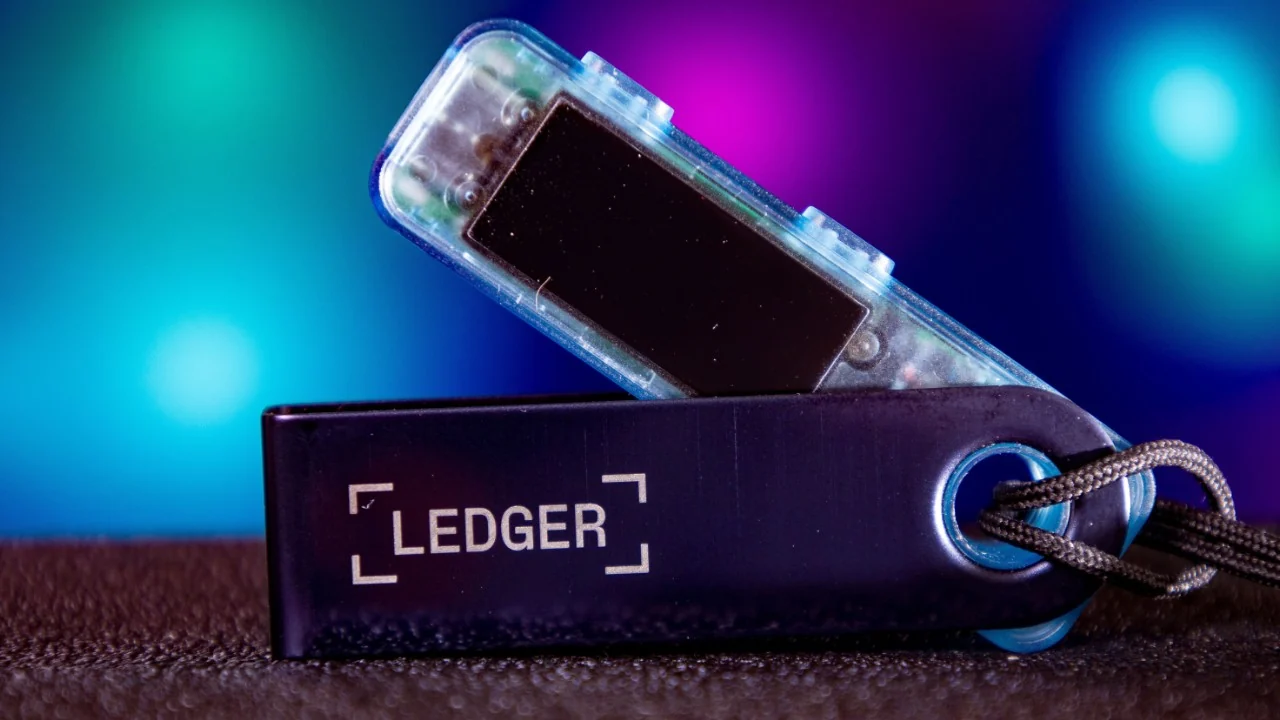
Ledger’s investigation into physically altered crypto wallets has expanded beyond Southeast Asia. The company is offering factory inspections after finding modifications designed to capture recovery phrases during wallet setup.
In this piece
Ledger said Nov. 18 that it had found tampered crypto wallets in Berlin, with Bitcoin.com News also reporting the investigation’s expansion to Dubai. The…
Ledger’s investigation into physically tampered cryptocurrency wallets has expanded beyond Southeast Asia, with Berlin and Dubai identified in a report by Bitcoin.com News. The company is offering factory inspections after finding modifications designed to capture wallet recovery phrases during setup.
Ledger said Nov. 18 that it had found altered wallets in Berlin, according to the report. The discoveries were linked to the same incident the company disclosed in October, rather than described as a separate case. Dubai was also named in the report’s headline as part of the expanding investigation.
The findings broaden the geographic scope of an incident previously associated with Southeast Asia. However, the supplied report excerpt does not give the number of affected devices, identify their sellers or explain how the altered wallets reached customers. It also does not establish how widespread the tampering may be.
The modifications targeted a particularly sensitive stage of wallet use: initial setup. A recovery phrase is the backup information used to restore access to a cryptocurrency wallet. Someone who obtains that phrase can potentially use it to access the associated assets without possessing the owner’s original hardware device.
That makes the reported objective different from simply damaging a wallet or preventing it from working. Capturing recovery information could undermine the protection a user expects from keeping cryptocurrency credentials on a dedicated device. The excerpt describes the modifications’ intended purpose but does not say whether any recovery phrases were successfully captured.
Physical tampering also raises questions distinct from those surrounding a malicious website or deceptive message. In this case, the concern described by Ledger involves changes to the hardware itself. The available material does not explain the mechanism, when the modifications were made or who was responsible for them.
Ledger’s offer of factory inspections provides a way for devices to be examined for alterations. The excerpt does not specify eligibility requirements, shipping arrangements, costs or how long an inspection would take. Those details matter for owners trying to determine whether the offer applies to a particular wallet.
The report does not establish that all Ledger wallets, or all devices sold in the named locations, are affected. It also provides no confirmed loss total or account of stolen funds. The broader geographic footprint therefore signals an expanded investigation, not a measured estimate of customer exposure.
Further findings will be needed to clarify the scale of the incident and the route through which the modified devices circulated. For now, Ledger’s reported response centers on factory inspections, while the key unresolved questions include how many wallets were altered and whether the attempts to capture recovery phrases succeeded.
Primary source: Bitcoin.com News. Newzly rewrites and structures source reporting for clarity; verify critical details at the original.