Data Centre Debt Stoking AI Bubble Fears as Liabilities Mount
A surge in debt held by obscure data centre operators is stoking market anxiety that the artificial intelligence boom could falter if computing revenues fail to meet soaring infrastructure costs.
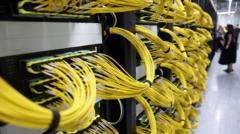
Mounting debt held by specialized data centre operators has reached tens of billions of pounds, stoking fresh concerns among analysts and investors that the artificial intelligence investment boom could face an abrupt reckoning. While much of the public debate has focused on high-profile artificial intelligence software makers and chip designers, the lesser-known infrastructure firms underpinning the sector are quietly accumulating enormous financial liabilities.
The scale of this borrowing reflects an unprecedented race to construct, expand, and power the vast facilities required to run intensive machine-learning workloads. Market observers point out that debt loads measured in the tens of billions of pounds leave operators highly vulnerable to sudden shifts in commercial demand or borrowing costs.
Unlike consumer-facing technology companies that built asset-light software models over the past two decades, the current wave of artificial intelligence development relies on capital-heavy physical infrastructure. Warehouses filled with advanced server racks, complex cooling systems, and specialized power connections require upfront capital commitments that few operators can fund through cash reserves alone. As a result, developers have increasingly turned to debt markets and bank financing to fuel rapid physical expansion.
Many of the entities carrying this financial exposure operate far from consumer awareness, acting as wholesale landlords and hosting providers for larger technology players. Because these firms lack household brand recognition, their balance sheets historically received far less public scrutiny than those of the tech giants leasing their servers. Industry observers note that this relative obscurity can mask the true concentration of leverage sustaining the current tech expansion.
The central risk centres on whether enterprise adoption of artificial intelligence applications will generate sufficient cash flow quickly enough to service these heavy borrowing obligations. If commercial software monetization lags behind projections, data centre capacity could outstrip paying demand. In such a scenario, leveraged operators could struggle to meet debt repayments, potentially forcing renegotiations or fire sales of expensive hardware assets.
Financial analysts warn that distress among specialized infrastructure providers could reverberate across the broader technology ecosystem. Lenders exposed to large concentrations of data centre debt may face rising default risks if occupancy rates soften or compute pricing falls. Furthermore, any sudden pullback in facility construction could disrupt equipment suppliers and undermine the ambitious growth targets set by leading tech firms.
The rapid buildup of physical capacity financed through extensive borrowing has drawn uneasy comparisons to previous technology cycles. During the telecommunications boom of the late 1990s, companies laid tens of thousands of miles of fibre-optic cable on the assumption of boundless demand, leading to widespread insolvencies when usage grew more slowly than projected. While proponents argue that artificial intelligence demand is fundamentally stronger, the sheer volume of debt introduces a narrow margin for error.
In the near term, market participants will be closely scrutinizing debt maturity schedules and the strength of long-term tenant contracts behind these facilities. Long-duration lease agreements with creditworthy corporate tenants offer some insulation, but questions remain about how many contracts contain flexibility clauses or shorter terms. Any signs of tenant pushback on pricing could quickly test the resilience of leveraged developers.
As borrowing costs remain elevated globally, the pressure will increasingly fall on data centre operators to demonstrate financial discipline alongside operational scale. Whether the current build-out marks the foundation of a lasting computational era or the crest of a speculative bubble will likely depend on how effectively these balance sheets weather the coming years. For now, the tens of billions of pounds tied up in physical servers stand as a stark reminder of the financial stakes riding on artificial intelligence.
Primary source: BBC Technology. Newzly rewrites and structures source reporting for clarity; verify critical details at the original.