world·Jammu and Kashmir·Kulgam District
LeT commander Lateef Bhatt killed as recruitment network draws scrutiny
Reports of Lateef Bhatt’s killing have focused on his alleged youth recruitment network in Kulgam, alongside a police claim of sharply reduced recruitment and calls to ease village restrictions.
In this piece
Lashkar-e-Taiba commander Lateef Bhatt has been killed, according to reports highlighted by Google News India. Coverage links him to youth recruitment in Kulgam…
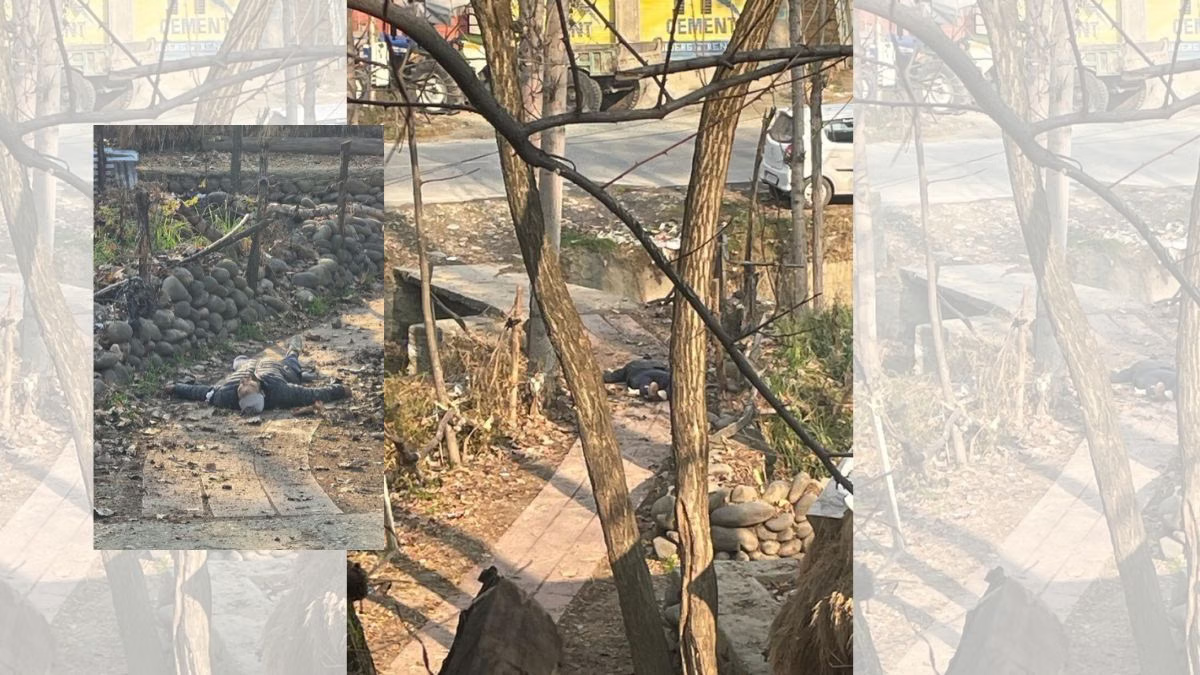
Lashkar-e-Taiba commander Lateef Bhatt has been killed, according to reports carried in a Google News India roundup, with coverage focusing on his recruitment activities in Kulgam. ThePrint described him as a commander who built a youth recruitment network, placing that role at the centre of its account of how security forces tracked him down.
The supplied material contains headlines and links rather than the full reports, limiting what can be established about the operation. It does not provide a date for Bhatt’s death, a precise encounter location or a detailed sequence explaining how forces located him, and those details cannot be reconstructed from the headlines alone.
ThePrint’s headline connects Bhatt directly to a recruitment network in Kulgam, making his reported role in drawing young people into militancy a central element of the story. However, the supplied excerpt gives no recruitment figures, identifies no recruits and does not explain how that network was organised or maintained.
In related coverage, The Hindu reported that Jammu and Kashmir’s director general of police said local terrorist recruitment had been brought to almost zero. The headline places that statement after Bhatt’s killing, but provides neither the period covered by the assessment nor the underlying figures needed to evaluate its scope independently.
That distinction matters because a claim about recruitment across Jammu and Kashmir is broader than an account of one commander’s activities in Kulgam. The supplied material does not establish how much of the reported decline police attributed specifically to Bhatt’s death, or whether the assessment reflected developments preceding the operation.
The Times of India highlighted a civilian-protection element, reporting in its headline that the Army rescued 27 people from a seminary before the first bullet was fired. The headline then describes the hunt for Bhatt, but the supplied text does not identify those evacuated or explain their circumstances inside the seminary.
The roundup also points to concerns about restrictions affecting local communities, with Rising Kashmir reporting that the National Conference urged authorities to ease curbs in Kulgam villages. No details are supplied about which villages were affected, the nature or duration of the restrictions, or any official response to the appeal.
NDTV, meanwhile, included Bhatt in broader coverage of security operations against militant figures in Kashmir. Taken together, the headlines present his death as both a security development and a recruitment-related story, while leaving important operational details and the wider effect on local residents unresolved.
The immediate questions concern the evidence behind the recruitment assessment, the circumstances of the seminary evacuation and the status of village restrictions. Fuller reporting and official accounts would be needed to establish those points; the supplied roundup contains no announced timetable for further briefings or decisions on easing the curbs.
Primary source: Google News India. Newzly rewrites and structures source reporting for clarity; verify critical details at the original.