Uttarakhand Locals Halt Shifting of Ancient Jageshwar Sculptures to Delhi
Priests and residents in Uttarakhand’s Almora district have successfully resisted plans to move sacred ancient sculptures from Jageshwar Dham to New Delhi, prompting officials to confirm that no relics will be relocated.
In this piece
Local residents, priests, and traders in Uttarakhand’s Almora district staged protests against a proposed plan to transfer ancient sculptures from Jageshwar…
Residents, priests, and traders in Uttarakhand’s Almora district have mounted strong resistance against a proposal to move centuries-old sculptures from the Jageshwar Archaeological Museum to the national capital. The demonstration erupted after officials arrived at the historic temple complex to assess rare stone artifacts, raising concerns that sacred cultural treasures would be permanently removed from their native landscape.
Following mounting local anger and formal representations delivered to authorities, the visiting expert team halted its assessment without examining the artifacts. The Almora district administration subsequently stepped in to reassure residents, stating that no shifting or relocation of the temple relics to New Delhi is currently planned.
The controversy began when representatives affiliated with the Archaeological Survey of India arrived at Jageshwar Dham to inspect the condition of preserved antiquities. The preliminary evaluation was intended to determine whether select masterworks could be selected for display at the upcoming Yuge Yugeen Bharat National Museum project in Delhi.
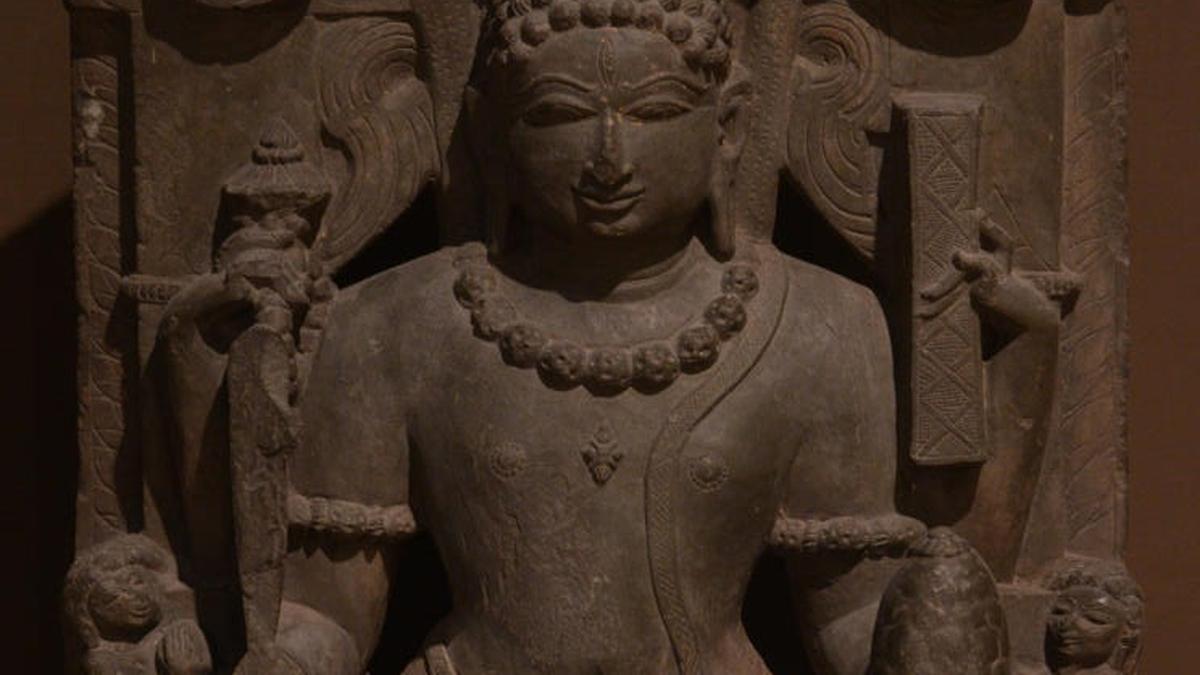
The on-site museum at Jageshwar safeguards more than two hundred rare stone sculptures and architectural fragments recovered from the surrounding shrine complex. Among the most revered pieces are intricate depictions of Lakulisha Shiva and the iconic metallic and stone representations known locally as Paun Raja, which carry deep spiritual significance for the surrounding hill communities.
Word of the prospective transfer spread rapidly through the valley, drawing priests, temple management committee representatives, and nearby villagers to the museum gates. Demonstrators warned that they would launch an indefinite sit-in protest if central authorities attempted to transport even a single piece of heritage outside the Kumaon region.
For the local community, the ancient carvings are not merely museum artifacts or artistic relics, but consecrated embodiments of local deities deeply tied to living religious traditions. Residents argued that removing these sanctified icons for display in a metropolitan gallery compromises their spiritual sanctity and severs them from the geography in which they were sculpted.
Preserving the artifacts within the district also plays a crucial role in safeguarding regional pride and supporting pilgrimage tourism in the Kumaon hills. Local stakeholders highlighted that visitors from across India travel to Jageshwar Dham specifically to experience the historic cluster of stone temples alongside its dedicated museum, making the local preservation of antiquities vital to the regional economy.
Sensing the depth of public anger, the assessment committee chose not to proceed with physical inspections, defusing an immediate standoff. Administrative representatives conveyed the community's firm objections to higher authorities, underscoring that public consultation and religious sensitivities must take precedence over external exhibition initiatives.
While temple functionaries and villagers welcomed the official assurance that the sculptures will remain at Jageshwar, community leaders remain watchful against any future relocation attempts. Heritage advocates in Uttarakhand continue to urge state and central bodies to strengthen preservation facilities on site rather than considering transfers to distant metropolitan hubs.
Primary source: Google News Delhi. Newzly rewrites and structures source reporting for clarity; verify critical details at the original.