Low-Interest Loans Provide Lifeline for Vermont Towns Rebuilding After Devastating Floods
State-backed low-interest loans are helping flood-hit Vermont towns bridge multi-million-dollar repair costs while awaiting federal reimbursements, saving local taxpayers from surging borrowing costs.
In this piece
Vermont towns devastated by recurring floods are leveraging low-interest state loans through the Municipal Climate Recovery Fund to rebuild critical…
Vermont communities recovering from severe, repeated flooding are tapping low-interest financing to rebuild damaged infrastructure and stabilize municipal balance sheets. Through state-backed lending initiatives like the Municipal Climate Recovery Fund, local governments can access low-rate loans to pay for immediate repairs while awaiting federal reimbursements. The financing mechanism provides critical breathing room for small towns grappling with overwhelming recovery costs.
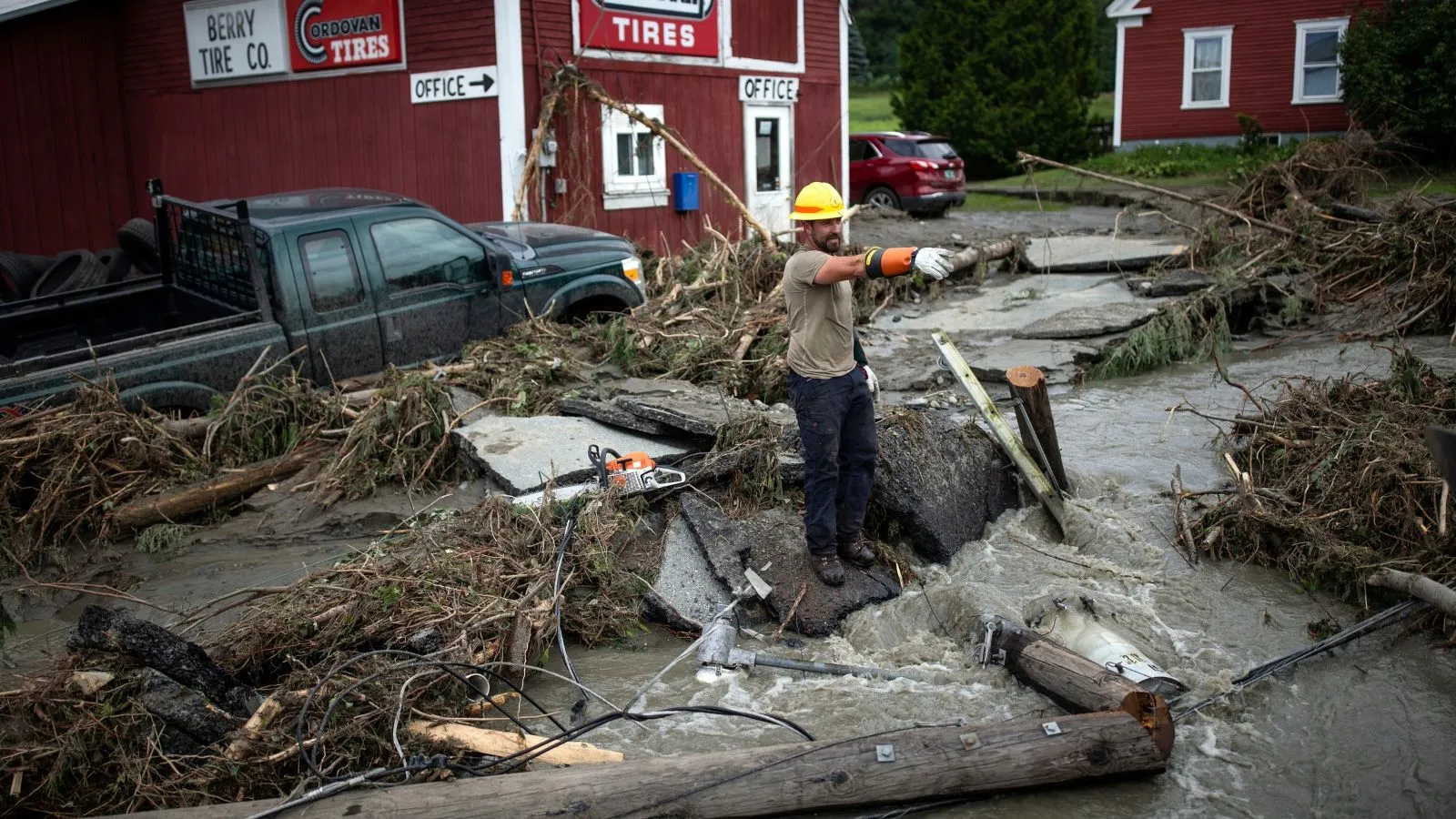
The financial strain intensified after catastrophic summer storms in 2023 and 2024 dumped historic rainfall across the state, washing out roads, destroying bridges, and submerging downtown centers. While emergency work began almost immediately, the process of documenting damage and securing federal disaster aid often takes years. Without intermediate funding, local officials faced the daunting prospect of taking on high-interest commercial debt or pausing vital public works.
To solve the liquidity crunch, the Vermont State Treasurer’s Office partnered with the Vermont Bond Bank to deploy capital through the state’s local investment framework. By allocating funds to buy down borrowing costs, the program enables municipal borrowers to secure interest rates hovering near 1.3 percent for multi-year terms. The Vermont League of Cities and Towns has also collaborated with state entities to help eligible municipalities further lower their financing expenses.
The timing of the low-interest loan program has proven especially vital given macroeconomic conditions. As the Federal Reserve maintained elevated benchmark interest rates over recent years, traditional municipal borrowing became substantially more expensive for small communities. By insulating towns from volatile financial markets and steep short-term lending rates, the state initiative has saved local taxpayers millions of dollars in cumulative debt service payments.
For rural communities with small tax bases and modest operating reserves, even routine road washouts can exhaust annual capital improvement budgets within hours. Local officials often must front millions of dollars to pay contractors and equipment suppliers before submitting documentation to the Federal Emergency Management Agency. The availability of low-interest loans prevents towns from having to slash municipal payrolls, hike local property taxes abruptly, or defer essential everyday services.
Beyond temporary budget relief, the financing allows towns to replace washed-out infrastructure with stronger, climate-resilient designs rather than hasty, stopgap patches. Engineers and local road crews are using the capital to install larger culverts, fortify riverbanks, and redesign drainage networks capable of handling more frequent flash flooding events. Upgrading public assets to modern hydrological standards reduces the risk of repeated washouts when the next severe storm strikes.
The municipal loan strategy reflects a growing recognition across New England that climate adaptation requires dedicated, flexible financing tools tailored for local governments. Vermont lawmakers and state financial leaders have increasingly explored broader funding mechanisms to address the mounting price tag of extreme weather, including climate resilience funds and legal accountability frameworks. State officials emphasize that proactive fiscal planning is now just as crucial to disaster preparedness as emergency response equipment.
As reconstruction efforts continue across flood-impacted regions, state officials are working to keep emergency financing accessible for subsequent storm seasons. Municipal leaders remain focused on navigating the federal reimbursement pipeline so borrowed funds can be repaid without lingering long-term obligations. For towns rebuilding along Vermont’s river valleys, low-cost capital offers a vital lifeline to recover today while fortifying for an increasingly unpredictable climate future.
Primary source: Google News Vermont. Newzly rewrites and structures source reporting for clarity; verify critical details at the original.