entertainment·California·Los Angeles County
Luc Besson Jokes He Would Direct ‘Terminator’ Only if Cyborg ‘Missed His Mom’
In a conversation reflecting on creative freedom and studio oversight, filmmaker Luc Besson quipped that he would direct a 'Terminator' film only if the machine showed unexpected emotional vulnerability.
In this piece
Director Luc Besson told Variety he rejects claims that he reinvented action cinema, attributing his signature early work to artistic freedom outside corporate…
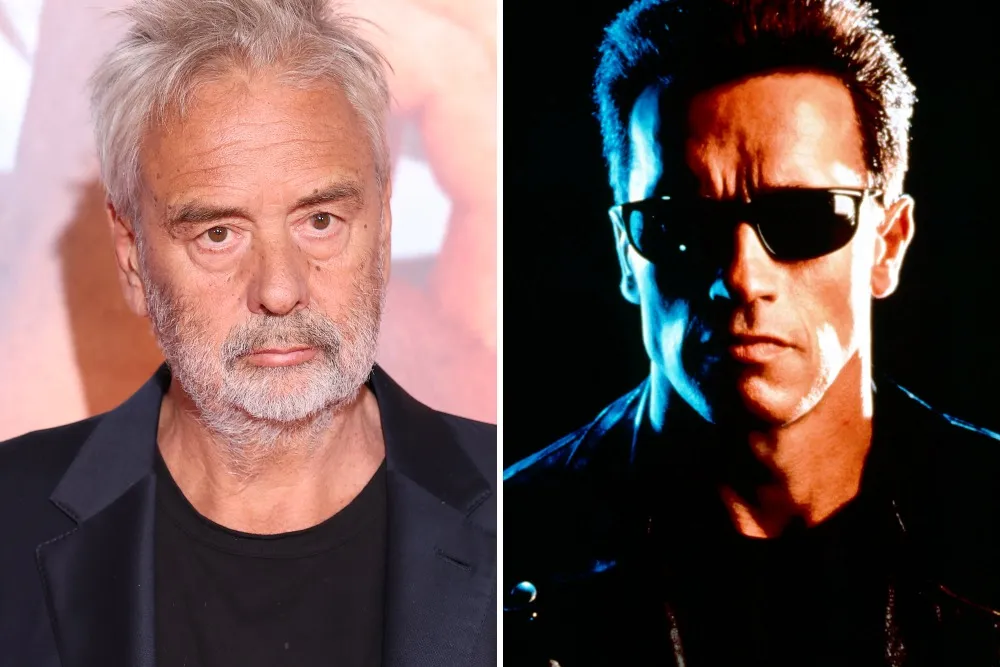
Acclaimed French filmmaker Luc Besson has offered an unconventional take on modern franchise filmmaking, quipping that he would only consider directing a future installment of the "Terminator" franchise if the iconic killer cyborg showed an unexpected, vulnerable emotional side. Speaking in an interview with Variety, the veteran director used the hypothetical scenario to highlight his longstanding preference for character-driven emotional depth over cookie-cutter studio spectacle.
According to Besson, he could only envision taking the helm if the storyline deviated sharply from standard formulaic explosions and machine warfare. He joked that his version would require a scene where the Terminator sat down and admitted he missed his mother. The humorous observation underscored his distinctive cinematic philosophy, which often pairs stylish kinetic action with unconventional, deeply human character relationships.
During the conversation, Besson firmly rejected the notion that he had set out to reinvent the action genre during the formative years of his career. Instead, he attributed his distinctive visual and narrative approach simply to the rare creative freedom that came with working outside the traditional Hollywood corporate framework. For Besson, early experimentation flourished primarily because the artistic process was unburdened by outside corporate interference.
Reflecting on his early days behind the camera, Besson noted that inexperienced directors often benefit from wide creative latitude before massive commercial expectations take hold. He pointed out that starting out allows filmmakers the freedom to take genuine risks without being micromanaged by large studios and committees of dozens of executives explaining why specific ideas are too expensive or unconventional.
That independent spirit has defined much of Besson's filmography across several decades, establishing him as an auteur known for bold visual storytelling and eccentric character portraits. His comments arrive at a moment when many veteran directors have voiced growing skepticism about the homogenized nature of contemporary franchise filmmaking. For artists accustomed to autonomy, navigating modern intellectual property often requires compromising personal vision to meet corporate mandates.
The humorous image of an introspective machine longing for familial connection starkly highlights the gap between Besson's auteur instincts and the rigid requirements of Hollywood blockbusters. Major legacy franchises like "Terminator" have historically relied on expansive lore, high-budget digital effects, and predictable mechanical pacing. Injecting deeply eccentric emotional dilemmas into such properties directly challenges conventional studio risk tolerance.
Besson's observations also resonate across an industry increasingly grappling with the creative exhaustion of long-running cinematic universes. As audiences demand more fresh storytelling amidst franchise fatigue, debates have intensified regarding whether studio oversight stifles the very originality that made classic films memorable in the first place. Without room for idiosyncrasy and experimentation, high-concept properties frequently struggle to maintain cultural relevance.
While moviegoers should not expect to see a sentimental cyborg gracing theater screens under Besson's direction anytime soon, his remarks serve as a candid reminder of the value of authorial independence in genre filmmaking. As the entertainment landscape continues to weigh massive studio control against artistic risk-taking, the director's commentary reaffirms that compelling cinema relies on personal perspective rather than committee calculations.
Primary source: Variety. Newzly rewrites and structures source reporting for clarity; verify critical details at the original.