Machado returns to Venezuela as Trump maintains support for interim leader
María Corina Machado’s homecoming brings Venezuela’s opposition leader back into domestic politics, but Washington remains aligned with interim President Delcy Rodríguez and no election date has been announced.
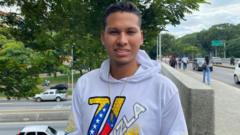
Venezuelan opposition leader María Corina Machado returned home on Sunday after nearly a year in exile, entering a country transformed by the removal of Nicolás Maduro but still without a date for presidential elections. Her arrival puts a prominent challenger back on Venezuelan soil while Washington continues to support interim President Delcy Rodríguez.
Thousands of supporters greeted Machado as she travelled toward Caracas, according to AFP. Crowds gathered along highways and city streets, waving Venezuelan flags as she acknowledged them from a vehicle travelling with a convoy of cars and motorcycles.
The homecoming followed months of uncertainty over whether she could return safely. Machado left Venezuela in December to receive the Nobel Peace Prize, having faced the threat of arrest under Maduro, and subsequently remained abroad as the country’s leadership changed.
U.S. forces captured Maduro in January, but his removal did not bring Machado or her movement to power. Instead, the Trump administration backed Rodríguez, a longtime Maduro ally, creating a transition in which Washington’s preferred governing partner remained a figure from the former president’s administration.
Trump’s response to Machado’s arrival underscored that distinction. He told reporters he had not known about her return and expressed concern for her safety, while also signalling satisfaction with developments in Venezuela under the existing leadership.
Secretary of State Marco Rubio presented the homecoming as an outcome of Washington-backed reconciliation talks. He urged political actors to support that process, framing negotiations as a route toward elections and lasting democracy rather than treating Machado’s arrival as a change in American support for the interim government.
Economic interests are also central to the relationship. AFP reported that Rodríguez has opened opportunities for foreign companies in Venezuela’s oil and gas industry and granted Washington access to crude reserves. Those arrangements help explain why cooperation with the interim administration has continued alongside American expressions of support for political reconciliation.
Rodríguez responded dismissively to the public celebrations surrounding Machado’s arrival, according to Deutsche Welle, suggesting the opposition leader could have returned without such a spectacle. Machado’s spokesperson, meanwhile, indicated that she was willing to hold discussions with the authorities, leaving open the possibility of engagement despite their competing positions.
For Machado’s movement, the immediate objective remains an electoral timetable and the opportunity for her to compete. AFP reported that her party wants elections in 2027 and permission for her to run, after she was barred from contesting the previous presidential vote. The interim government has promised elections but has not announced a date.
Her return therefore changes the opposition’s presence inside Venezuela without resolving who will shape the transition or how quickly voters will have a say. The next test is whether Washington-backed talks produce concrete electoral commitments and political space for Machado, rather than leaving her homecoming as a symbolic breakthrough.
Primary source: BBC World. Newzly rewrites and structures source reporting for clarity; verify critical details at the original.