Madhya Pradesh High Court Censures State for Citing Fake AI-Generated Supreme Court Ruling
The Madhya Pradesh High Court reprimanded the state government for submitting an AI-generated, non-existent Supreme Court precedent in a service dispute, warning that unverified automated drafting borders on actively misleading the judiciary.
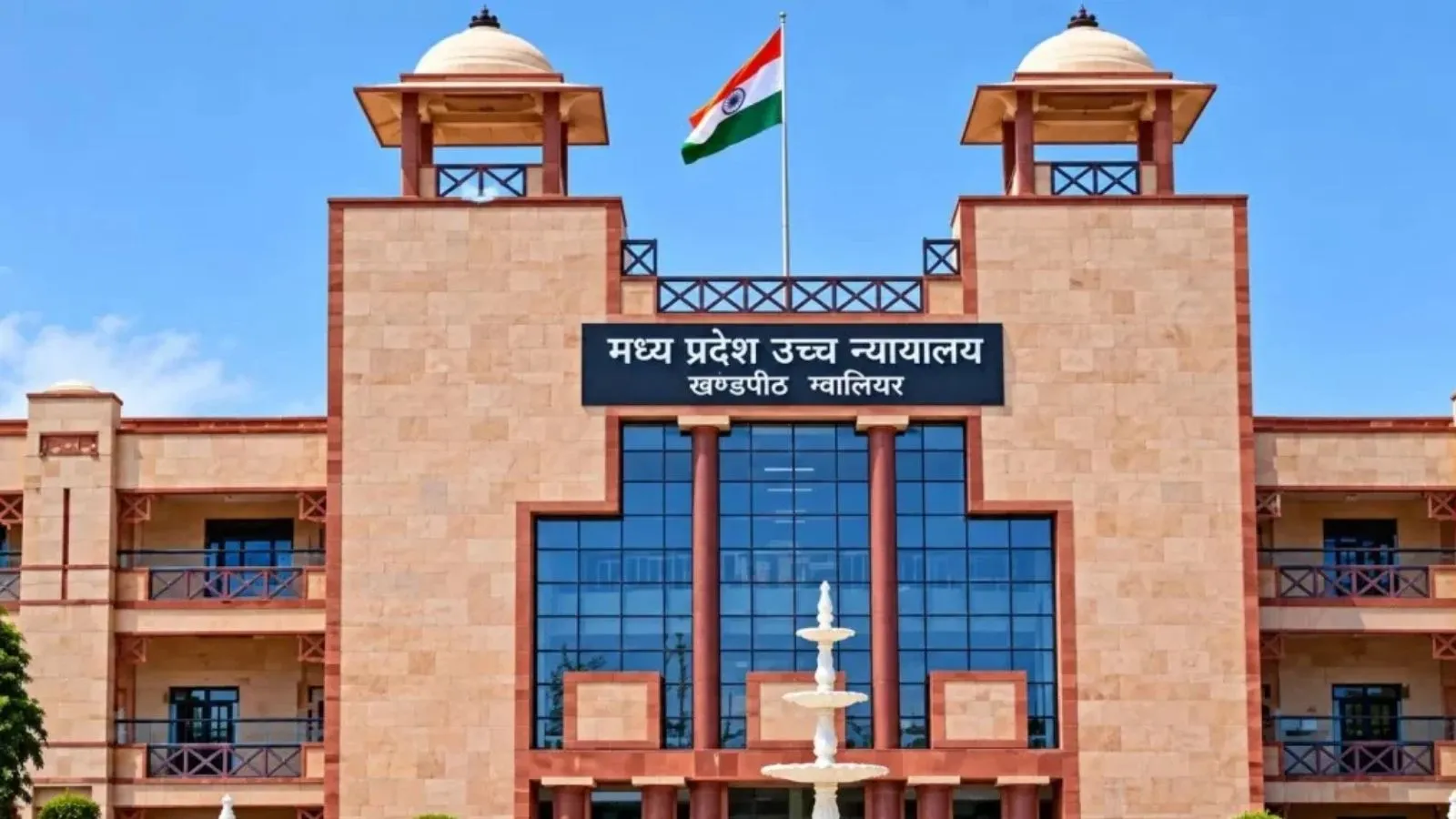
In this piece
The Madhya Pradesh High Court has rebuked the state government after counsel submitted a non-existent Supreme Court ruling generated by artificial intelligence.…
The Madhya Pradesh High Court has sharply reprimanded the state government for submitting legal pleadings containing a fictitious Supreme Court ruling generated by artificial intelligence. Presiding over a service dispute, the court observed that state counsel appeared to have blindly relied on automated drafting tools without verifying citations. The bench warned that submitting manufactured case law to constitutional courts wastes judicial time and risks derailing the administration of justice.
The rebuke occurred during proceedings in Piyush Mani Tiwari versus The State of Madhya Pradesh, in which a dismissed police sub-inspector challenged his summary removal. The officer was dismissed from service in 2024 following allegations of sexual harassment, but state authorities bypassed a formal departmental inquiry. Tiwari approached the High Court under Article 226, arguing that his constitutional right to due process had been violated.
Defending the summary dismissal, state lawyers submitted written arguments asserting that high courts lack the authority to reappreciate factual evidence in writ proceedings. To substantiate the claim, the government cited a purported Supreme Court precedent titled State of Andhra Pradesh versus S.S. Mohammad Nisar, complete with a formal law report reference. The submission relied heavily on this nonexistent ruling to argue that the administrative action was immune from judicial review.
Upon closer scrutiny, the High Court found that the cited decision did not exist in Indian law reports. The citation provided by the state government, reported as 2008 Volume 5 SCC 230, actually belonged to an entirely unrelated criminal appeal involving Sidhartha Vashisht, also known as Manu Sharma, concerning the suspension of a prison sentence. The fabrication matched a hallmark pattern of generative artificial intelligence hallucinations, where algorithms assemble plausible-sounding case names and citations from disparate legal data.
Justice Vivek Kumar Singh termed the state’s drafting callous and irresponsible, noting that government representatives had evidently deployed automated software without the most basic due diligence. The judge emphasized that filing hallucinated legal authorities before constitutional benches squanders valuable court time and borders on actively misleading the judiciary. He underscored that government law officers bear an elevated responsibility to maintain integrity and factual precision in their submissions.
Addressing the substantive dispute, the High Court ruled in favor of the petitioner and quashed the termination order. The court held that the state government had unlawfully bypassed the procedural protections guaranteed under Article 311 of the Constitution, which governs the dismissal of civil servants. The bench reiterated that serious allegations cannot serve as an excuse for administrative bodies to discard mandatory inquiry procedures.
The incident underscores the widening challenge of generative AI hallucination across the legal profession, where automated language models invent realistic-looking precedents and legal doctrines. Courts in several international jurisdictions have previously penalized attorneys for submitting AI-fabricated case briefs, but similar lapses are now surfacing in Indian courtrooms. Legal scholars have repeatedly cautioned that using automated tools without manual cross-referencing threatens evidentiary reliability and judicial credibility.
To prevent recurrent lapses, the High Court issued explicit directions to the office of the Advocate General of Madhya Pradesh. The court ordered that all legal propositions, citations, and statutory references must be meticulously verified by drafting counsel before being sworn into affidavits and formally filed. The directive places direct institutional responsibility on senior government advocates to supervise the preparation of state pleadings.
The judgment reflects a growing push across Indian high courts to enforce professional accountability as digital tools infiltrate legal practice. Observers expect government law departments to implement clearer internal guidelines regarding the ethical boundaries and verification standards required for technological assistance. As courts intensify oversight, attorneys who fail to vet AI-assisted research risk facing formal disciplinary action and judicial censure.
Primary source: Google News Madhya Pradesh. Newzly rewrites and structures source reporting for clarity; verify critical details at the original.