Magazine feature recalls the vastupujan when Ravana sought a golden Lanka
Divya Bhaskar Magazine highlights a Ramayana-tradition episode in which Ravana is said to have asked for a Lanka of gold during a vastupujan, the rite that consecrates a place before it is occupied.
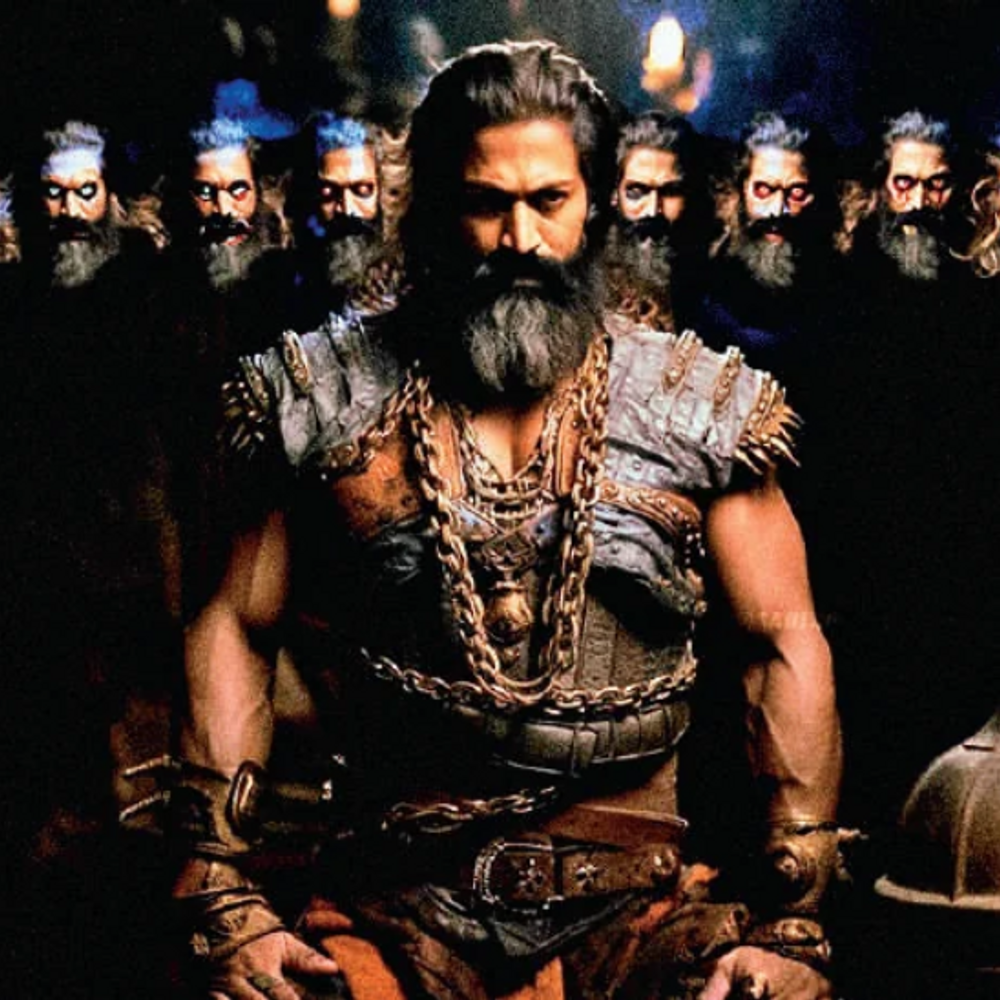
In this piece
A Divya Bhaskar Magazine item frames a familiar epic episode as a historic moment of vastupujan: Ravana seeking a golden Lanka. The piece sits in the outlet’s…
Divya Bhaskar Magazine has drawn attention to a scene from Hindu epic tradition: a vastupujan in which Ravana is said to have asked for a Lanka made of gold. The item is presented as a telling of that moment rather than as news of a contemporary building, city, or dispute.
The story appears in the magazine’s Rasrang section. Its headline calls the episode a historic instant of vastupujan, placing the ritual at the center of how the golden city is remembered in popular retelling.
Vastupujan is the ceremonial honoring of a site in Indian building custom, performed when a place is founded or entered. The magazine’s framing uses that familiar rite to introduce an episode associated with Ravana, the king of Lanka in the Ramayana tradition.
In that tradition, Lanka is the island capital linked to Ravana, often described in later storytelling as a city of extraordinary splendor and, in many versions, of gold. The headline joins that image to a request: Ravana seeking a golden Lanka at the time of the rite.
The available source for this report is the magazine headline and its placement, not a full narrative text. Details that a longer retelling might include — which deity is addressed, what is granted, and any spoken exchange — are not stated in the material at hand and are not supplied here.
What can be said is limited and should stay inside the legend. The feature treats the scene as mythology. It does not establish a historical date, a verified location on a modern map, or a factual account of construction.
Such explainers matter because epic episodes still shape how many readers in India talk about homes, cities, and ritual beginnings. A vastupujan story offers a cultural bridge between a household custom and a well-known figure from the Ramayana, without turning the legend into a news event.
Ravana remains, in the epic tradition, both a powerful king and the antagonist of Rama’s story. Isolated episodes about his devotion, his capital, and his demands circulate widely in magazines, oral retellings, and festival reading, often apart from the war narrative itself.
Golden Lanka, in those retellings, stands as an image of wealth and craft. The Divya Bhaskar headline uses that image to mark the vastupujan as the decisive moment, the point at which the wish for a city of gold is made.
Readers who want the magazine’s own sequence of the tale can turn to the Rasrang item on the Divya Bhaskar site. Until that full text is read, the reportable core is the outlet’s chosen frame: a consecration scene in which Ravana asks for golden Lanka.
The outlook is that of a culture feature, not a developing news story. No official action, court case, or local government response attaches to the item. Its next life is with readers who encounter the legend again through the magazine’s telling and judge it as tradition.
Primary source: Divya Bhaskar Magazine. Newzly rewrites and structures source reporting for clarity; verify critical details at the original.