entertainment·California·Los Angeles County
Mahershala Ali Says Oscar Wins Do Not Shield Actors From Lack of Roles in Hollywood
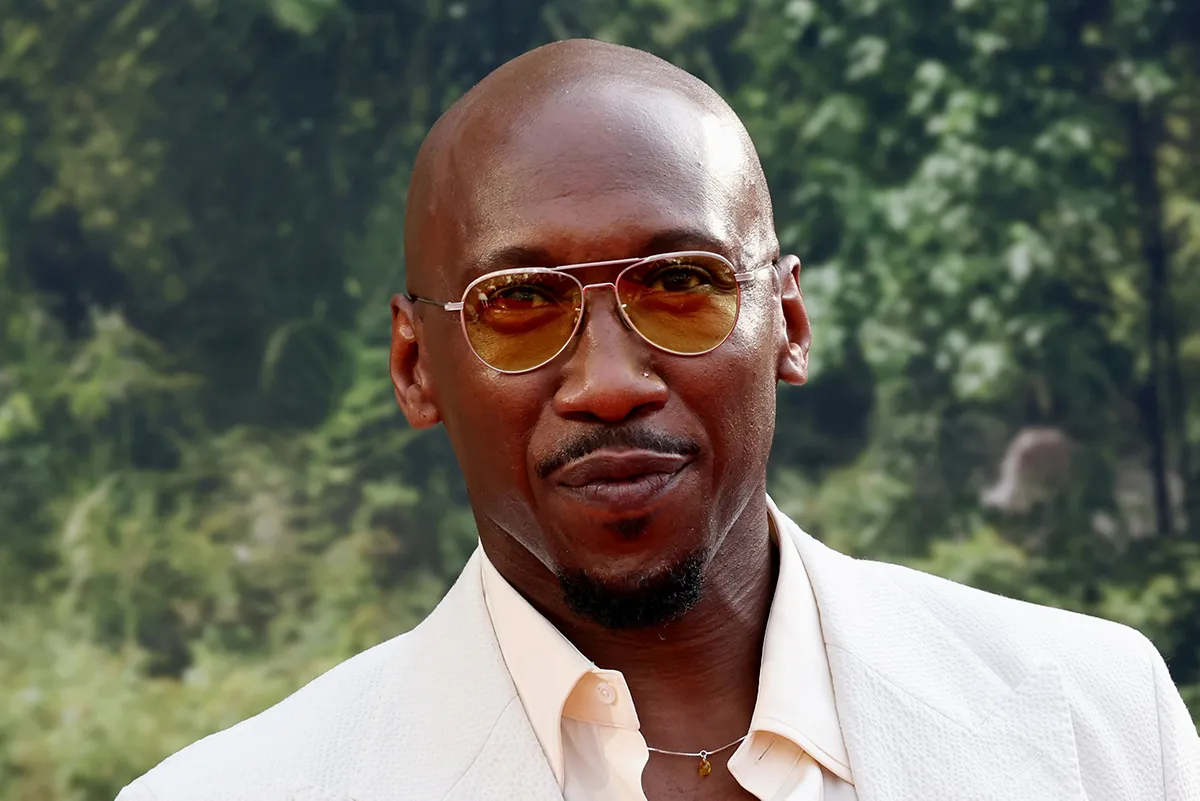
Two-time Academy Award winner Mahershala Ali revealed that prestigious accolades offer little career security, noting that most greenlit Hollywood projects simply do not have roles written for him.
In this piece
Actor Mahershala Ali addressed the persistent casting challenges in Hollywood during an appearance on the podcast 7PM in Brooklyn. Despite earning two Oscars,…
Two-time Academy Award winner Mahershala Ali offered a candid assessment of Hollywood's hiring landscape, stating that even the industry's highest honors cannot guarantee consistent work. Speaking on a recent episode of the 7PM in Brooklyn podcast, hosted by Carmelo Anthony and Kazeem "Kaz" Famuyide, the actor reflected on how his historic accolades have translated to day-to-day career opportunities.
Ali explained that prestigious recognition provides little leverage when studios are developing projects that fail to include parts suited for him. He pointed out that winning critical acclaim does not alter the fundamental reality of what executive suites decide to produce. Without roles specifically conceived or adapted for performers of his background, he noted that award-winning actors find themselves facing the same barriers as the rest of the industry.
Addressing the casting dynamic directly, Ali remarked that having trophies does not change the scarcity of relevant scripts. "The vast majority of projects that get greenlit, there are not roles for me in those," Ali said during the interview. He emphasized that even having seventeen Oscars would not matter if decision-makers are not developing stories with him in mind, leaving him searching and waiting alongside his peers.
The remarks carry significant weight given Ali's rare standing among contemporary American actors. He achieved widespread acclaim after securing two Best Supporting Actor Oscars within a three-year span, first for his performance in Barry Jenkins' 2016 drama Moonlight and subsequently for Peter Farrelly's 2018 film Green Book. Both victories established him as one of the most accomplished and celebrated dramatic performers of his generation.
Despite those high-profile accolades, Ali has frequently experienced extended gaps between major leading roles on the big screen. While he earned critical praise for his television work, including a starring turn in the third season of HBO's anthology series True Detective, his cinematic output has often been constrained by development delays and shifting studio agendas. The contrast highlights how sporadic top-tier opportunities can remain even for proven box office and awards draws.
Ali's observations underscore a recurring debate across the entertainment sector regarding the disconnect between diversity in award ceremonies and long-term systemic change. While major organizations have made public efforts to recognize a broader spectrum of performers, critics and creatives argue that studio slates remain narrow. Winning a statuette often creates a fleeting spotlight without necessarily generating sustainable pipelines of prestige film vehicles for Black performers.
During the podcast conversation, Ali emphasized that the core problem often comes down to an imbalance between talent and material. The industry boasts a deep roster of gifted performers across genres, yet production companies greenlight a relatively limited selection of mature, character-driven dramas each year. When commercial priorities shift toward established intellectual property and formulaic releases, original dramatic roles become exceptionally scarce.
That scarcity is compounded by broader contraction across Hollywood production, where studios have tightened development budgets and scaled back greenlights following recent labor strikes and economic pressures. Even heavily anticipated studio projects can spend years trapped in pre-production or creative overhauls. As studios become increasingly risk-averse, unconventional or bespoke casting decisions are frequently sidelined in favor of safer, repetitive commercial bets.
For Ali, navigating the commercial landscape remains an ongoing balancing act between artistic selectivity and the realities of studio output. As he continues pursuing ambitious film and television ventures, his comments serve as a sober reminder of the limits of institutional recognition. Whether the industry responds by creating more tailored opportunities for veteran dramatic actors remains an open question as studios chart their upcoming production calendars.
Primary source: Variety. Newzly rewrites and structures source reporting for clarity; verify critical details at the original.