Maine Unveils Voluntary Strategy to Protect Rare Old-Growth Forests
A Maine state report recommends voluntary incentives, carbon markets, and targeted easements to protect 400,000 acres of rare old-growth forests, balancing ecological preservation with commercial timber operations.
In this piece
Maine conservation officials have unveiled a voluntary strategy to safeguard roughly 400,000 acres of rare old-growth and late-successional forests identified…
A new state evaluation in Maine outlines voluntary pathways to conserve the state's remaining old-growth and late-successional forests, following landmark research that located roughly 400,000 acres of mature canopy across the North Woods. The report, prepared by the Maine Department of Agriculture, Conservation and Forestry at the direction of lawmakers, emphasizes flexible landowner incentives over mandatory harvest restrictions. State officials aim to safeguard ecologically critical stands without disrupting the commercial timber economy that dominates northern Maine.
The policy initiative follows groundbreaking mapping conducted by ecologist John Hagan and the research nonprofit Our Climate Common. Using advanced LiDAR remote sensing and satellite data, researchers identified that mature, late-successional forests still cover roughly 3.9 percent of Maine's unorganized territories. Because these tracts were never formally mapped, many high-volume mature stands have remained hidden in plain sight amid working industrial timberlands.
Ecological assessments warn that these ancient ecosystems face rapid depletion under ongoing commercial operations. Scientists estimate that at current logging rates, roughly half of Maine's remaining late-successional acreage could disappear over the next 35 years. Because older trees yield large volumes of merchantable wood, private landowners face strong economic pressures to harvest mature stands rather than let them age.
Rather than recommending rigid regulatory mandates, the state conservation agency proposed a flexible menu of market-based and cooperative conservation tools. The framework encourages private forest owners to voluntarily adopt ecological forestry practices that retain structural diversity, such as leaving legacy trees and fallen logs. It also supports formal land acquisitions and tailored conservation easements designed specifically to restrict logging in sensitive old-growth zones.
Conservationists point out that existing land protections are often insufficient for ancient stands. While roughly 20 percent of Maine's forestland is already covered by conservation easements, the vast majority of those agreements explicitly permit commercial timber harvesting. Advocates emphasize that future easements must include strict no-harvest designations or dedicated reserve provisions to guarantee the long-term survival of old-growth characteristics.
The state report highlights emerging carbon credit programs and biodiversity markets as viable financial mechanisms to keep mature canopies standing. By enrolling high-biomass parcels into carbon offset registries, commercial owners can generate recurring revenue that offsets the financial loss of deferred timber harvesting. Pilot initiatives backed by regional conservation groups are already testing direct payments to private landowners who commit to delaying harvest cycles.
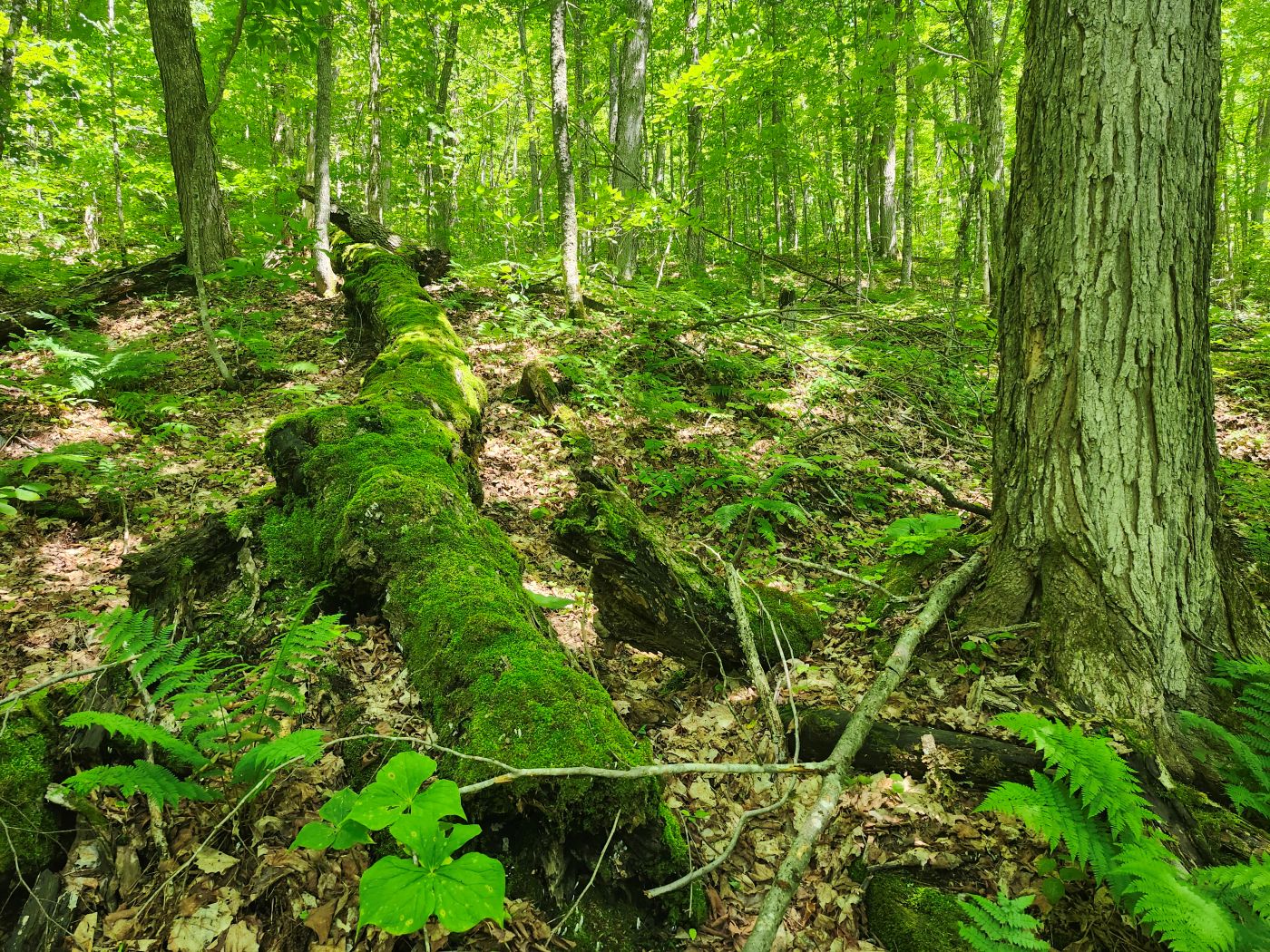
Preserving late-successional forests is critical to regional biodiversity and climate resilience across northern New England. These complex habitats provide specialized niches for rare mosses, lichens, cavity-nesting birds, and forest mammals that cannot thrive in young, even-aged industrial plantations. Additionally, deep forest soils and massive mature trees store vastly greater quantities of atmospheric carbon than younger regrowth.
The voluntary approach reflects delicate political compromises between environmental groups and Maine's timber industry. Forestry organizations, including the Maine Forest Products Council, have cautioned against sweeping regulatory bans that could infringe on private property rights or strain local mill supplies. Landowner groups maintain that cooperative, incentive-driven models provide a practical path forward without jeopardizing rural forestry livelihoods.
State officials and environmental coalitions now face the task of securing long-term funding to implement the proposed conservation menu. Lawmakers and regional land trusts are examining federal grant opportunities and private philanthropic support to finance targeted easement purchases and landowner incentives. The ultimate success of Maine's conservation roadmap will depend on whether voluntary incentives can outpace the financial draw of commercial harvesting over the coming decade.
Primary source: Google News Maine. Newzly rewrites and structures source reporting for clarity; verify critical details at the original.