Mamdani Unveils Plan to Close NYC Rikers Island Jail by 2032 Amid Mixed Reactions
New York City Mayor Zohran Mamdani has unveiled an updated plan to shut down Rikers Island by 2032, sparking hope among advocates alongside doubts about population targets and delays.
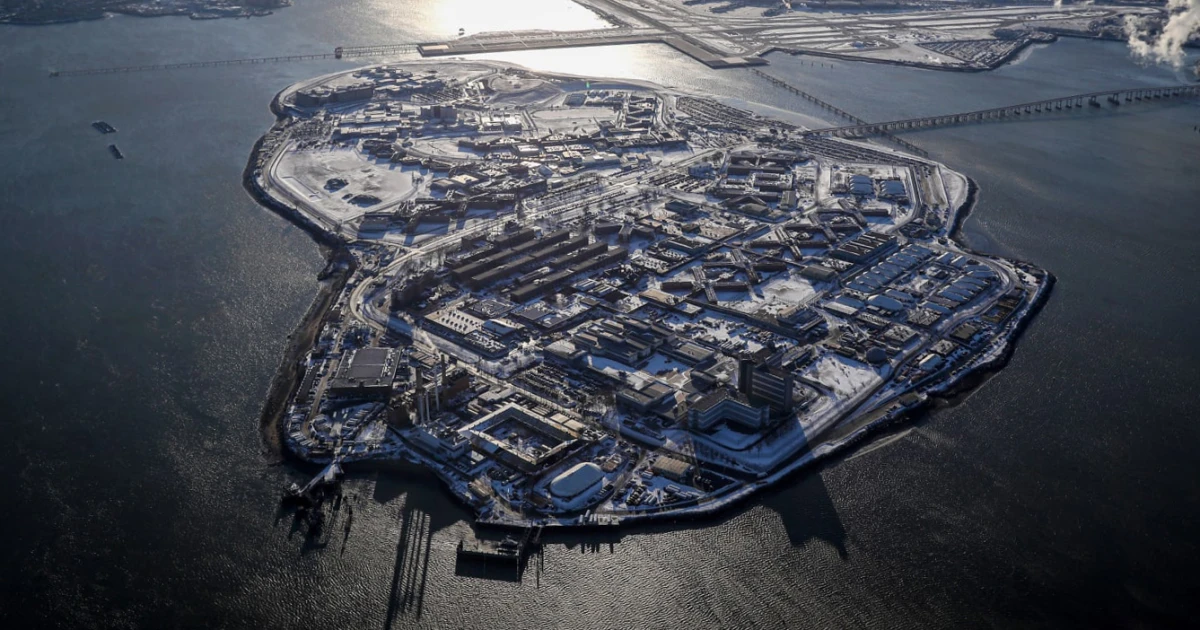
In this piece
New York City Mayor Zohran Mamdani announced a new roadmap to permanently close the Rikers Island jail complex by 2032. The plan hinges on substantially…
New York City Mayor Zohran Mamdani has unveiled a comprehensive plan to shutter the Rikers Island jail complex, proposing an extended target deadline of 2032. The formal announcement reopens one of the most contentious municipal policy debates in recent New York history. By establishing a revised operational timetable, the administration seeks to address structural hurdles that have long delayed earlier closure mandates.
The administration's roadmap hinges directly on achieving substantial and sustained reductions in the city's overall incarcerated population. According to reports on the proposal, reaching the 2032 goal requires bringing the daily census down to levels that can be safely accommodated in alternative facilities. City leadership has framed the revised timeframe as a realistic pathway to ensure an orderly decommissioning process.
The renewal of a formal shutdown commitment has rekindled cautious hope among civil rights advocates and criminal justice reform organizations. For decades, community coalitions have campaigned relentlessly to shutter the island complex, citing systemic violence, aging infrastructure, and inhumane conditions. Many supporters view the mayor's public declaration as an essential step toward restoring municipal accountability.
However, the proposal to delay the closure deadline until 2032 has also drawn immediate skepticism from oversight bodies and legal watchdogs. Critics express deep frustration that the target date has once again been postponed, prolonging the exposure of detainees and correctional staff to hazardous environments. Some reform advocates caution that stretching the timeline into the next decade creates new opportunities for future administrations to stall progress.
The Rikers Island facility has long symbolized the deep-seated challenges facing the municipal correctional system. Chronic administrative dysfunction, federal court oversight, and frequent safety crises have continually cast doubt on the city's capacity to operate the island humanely. While previous city plans also envisioned closing the complex, execution repeatedly faltered amid shifting political priorities and logistical bottlenecks.
A critical variable in determining whether the revised 2032 timeline succeeds will be the city's ability to consistently curtail detention numbers. Lowering the jail census relies on interconnected factors, including bail decisions, court scheduling efficiencies, and expanded community supervision programs. Without sustained collaboration among the judiciary, district attorneys, and state lawmakers, municipal authorities may struggle to meet the population thresholds required for complete closure.
Skeptics also emphasize the unpredictable political landscape surrounding municipal crime policy and public safety debates. Any significant rise in criminal charges, policy reversals on pretrial release, or delays in constructing replacement facilities could disrupt the population math underpinning the strategy. Analysts note that maintaining lower inmate counts requires durable political resolve, especially when public concerns over crime intensify.
Despite these lingering concerns, proponents argue that an honest assessment of current capacity constraints offers a more dependable path than unrealistic deadlines. Supporters stress that setting transparent benchmarks allows independent observers and the public to monitor administrative progress year by year. They insist that sustained executive oversight will be crucial to prevent the 2032 schedule from becoming another broken promise.
In the months ahead, the Mamdani administration must engage with the City Council, state regulators, and community stakeholders to formalize the new framework. Officials will face rigorous questioning regarding the practical steps planned to accelerate population declines and safeguard detainees in the interim. The ultimate fate of Rikers Island will depend on whether this latest strategy can overcome years of institutional inertia and turn civic ambition into enduring reform.
Primary source: Google News U.S.. Newzly rewrites and structures source reporting for clarity; verify critical details at the original.