Man reportedly records himself taking Ray-Ban Meta glasses
The Indian Express highlighted a viral case in which a man is said to have captured his own theft of Ray-Ban Meta smart glasses on the device. Few verified details of the episode have been published.
In this piece
A report in The Indian Express describes a man who accidentally recorded himself while taking a pair of Ray-Ban Meta glasses. The account, framed around the…
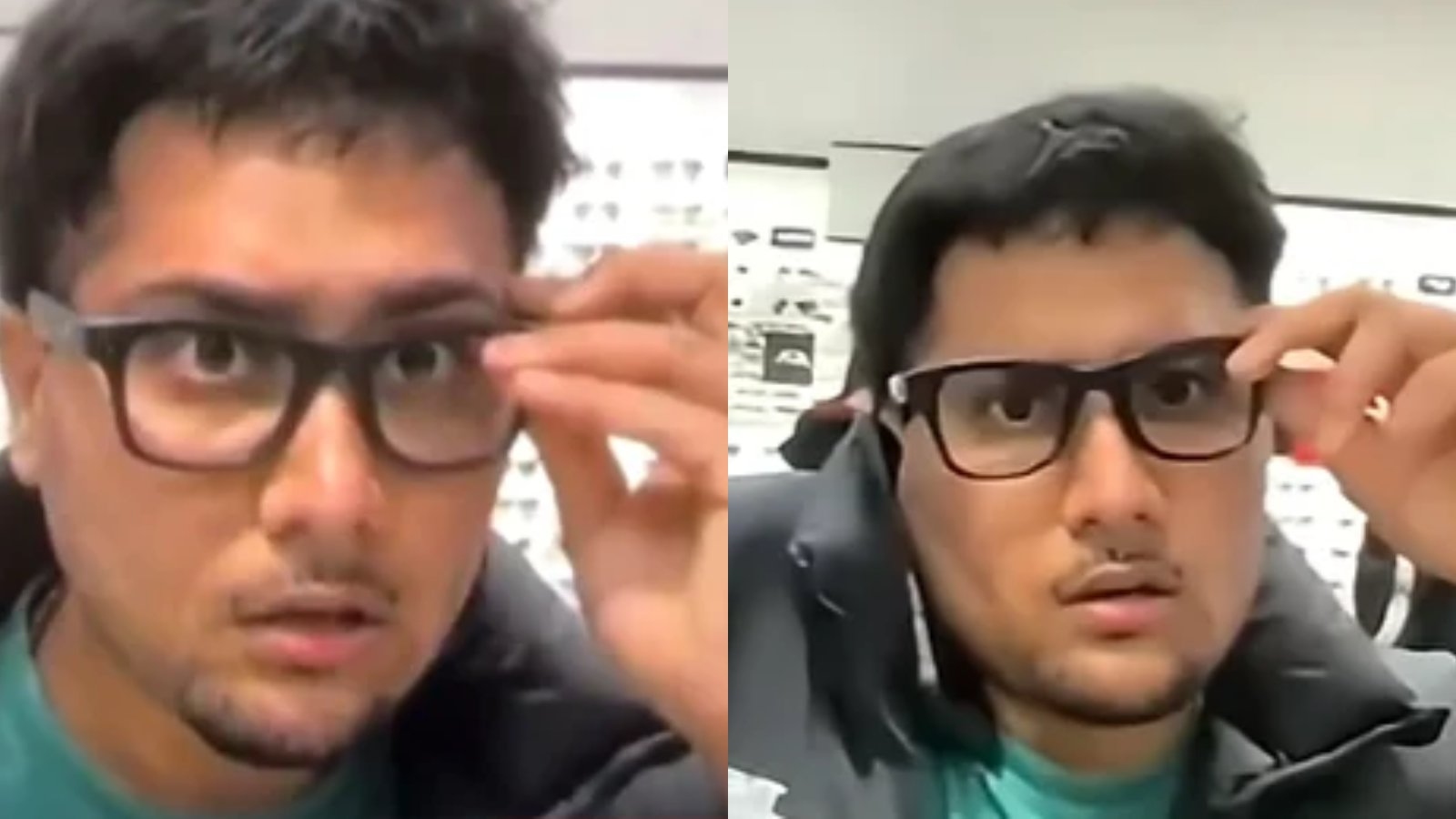
A man accidentally recorded himself while taking a pair of Ray-Ban Meta glasses, according to a report published by The Indian Express under the headline “Honesty is best policy.” The item was presented as a trending story rather than a detailed crime brief, and the account available here does not identify the man or say where the episode occurred.
The headline’s quoted line, “Honesty is best policy,” is the only wording attached to the episode in the material provided for this article. It is not clear from that material whether the phrase was spoken on camera, added as a caption, or used by the publication to frame the clip. No additional quotes were included in the source text supplied for this report.
Ray-Ban Meta glasses are camera-equipped eyewear sold by Ray-Ban in partnership with Meta. They are designed to look like ordinary sunglasses or eyeglasses while capturing point-of-view photos and video and connecting to a phone for other smart features. In ordinary use, that camera faces outward from the wearer’s perspective, which is why a recording can show what is in front of the person wearing the frames.
The Express headline indicates that the recording was accidental: the man is said to have documented his own taking of the glasses. The report as provided does not describe how the recording started, how long it ran, or whether the man realized the camera was on. Those mechanics should not be assumed from the headline alone.
The story also does not say whether the glasses belonged to a store, a customer, or someone else, or whether anyone reported the loss to police. No arrest, charge, recovery, or store response is described in the source material used here. Naming a city, shop, or dollar value would go beyond what the published item, as supplied, actually establishes.
What the episode does illustrate is a basic feature of wearable cameras. Unlike a phone that a person must hold up, glasses sit on the face and can keep recording while the wearer’s hands are busy. That design is meant for hands-free capture. The same design can also preserve a record of the wearer’s own actions, including actions they may not have intended to film.
Similar clips have circulated online whenever a new camera gadget becomes common, from action cameras to early smart glasses. Public interest usually centers less on a full case file than on the irony of a device logging the person who took it. The Indian Express placed this instance in its trending coverage, which fits that pattern of a short viral item rather than a completed investigation.
Meta and Ray-Ban have promoted the glasses as a mainstream product, with a visible indicator meant to show when the camera is in use. This article does not claim that any indicator failed, was covered, or was ignored in this case. Nothing in the supplied report addresses whether bystanders could tell that recording was underway.
For readers, the useful distinction is between a headline and a verified incident report. The headline supports a narrow set of facts: a man, Ray-Ban Meta glasses, an accidental self-recording, and a theft as characterized by The Indian Express. Identity, place, motive, and legal outcome remain unstated.
What happens next depends on information that has not been provided. If police or a retailer later release a statement, that would be the point at which a name, location, or charge could be reported. Until then, the episode stands as a viral account of smart glasses capturing the person wearing them, as described by The Indian Express, rather than as a fully documented criminal case.
Primary source: The Indian Express. Newzly rewrites and structures source reporting for clarity; verify critical details at the original.