Manchester United's 1974 Relegation Serves as a Warning From History
Manchester United's slide into the relegation zone for the first time in 40 years has drawn alarming comparisons to 1974, highlighting the perils of boardroom indecision and post-legendary decline.
In this piece
Sitting in the relegation zone for the first time in four decades, Manchester United faces uncomfortable parallels with its 1974 descent. The multi-year slide,…
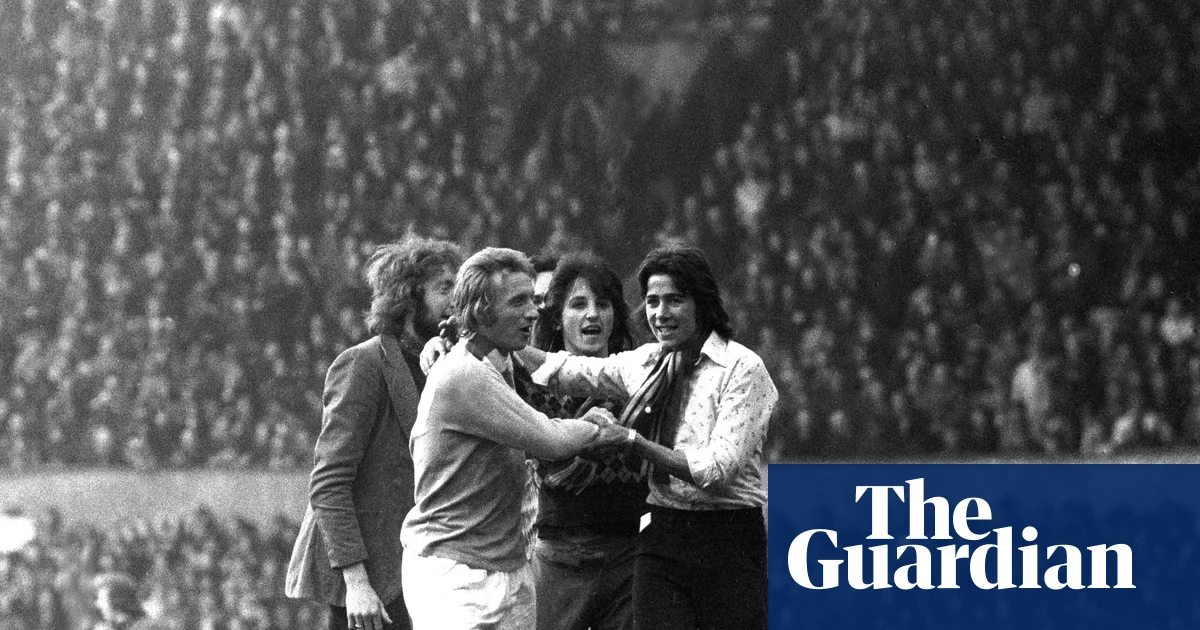
Manchester United finds itself confronting an alarming historical precedent after slipping into the relegation zone at this stage of the season for the first time in four decades. The club's perilous domestic position has reignited intense scrutiny over its prolonged competitive slide, drawing direct comparisons to one of the most sobering chapters in its history. For supporters and observers alike, the current struggles echo the systemic vulnerabilities that preceded the team's infamous relegation in 1974.
The parallels between the two eras center on the complex transition away from a period of sustained managerial dominance. In the late 1960s, Sir Matt Busby stepped aside after guiding the club to European Cup triumph in 1968, bringing an extraordinary epoch to a close. His decision to remain closely involved behind the scenes, however, meant his towering presence continued to loom over every subsequent appointment.
Decades later, a strikingly similar dynamic emerged following the departure of Sir Alex Ferguson. Much like Busby before him, Ferguson maintained an ongoing presence as a director, watching from the Old Trafford directors' box as a succession of managers attempted to meet impossible expectations. In both periods, succeeding a generational icon proved an overwhelming task for those stepping into the technical area.
The institutional consequences of these transitions became apparent through persistent instability in the dugout. Manager after manager arrived with tactical ambitions, only to churn and burn under mounting pressure and scrutiny. Rather than stabilizing the team, the regular turnover of leadership deepened the sense of drift and prevented the establishment of a cohesive long-term vision.
Compounding the managerial churn was evident uncertainty at the executive level. In the years leading up to the 1974 drop, as well as during the contemporary downturn, boardroom dithering disrupted coherent planning and squad development. When leadership at the highest levels hesitates, the resulting structural confusion invariably manifests on the pitch.
A crucial takeaway from the 1970s is that a catastrophic sporting drop rarely occurs in a single moment of misfortune. Instead, it develops over several consecutive seasons of incremental decline, often obscured by temporary respites or lingering institutional pride. As the current squad grapples with its precarious position, the historical parallel demonstrates that historical prestige alone cannot protect a club from structural decay.
Sporting analysts emphasize that the 1970s provide salutary warnings for any major football institution experiencing chronic underperformance. While the modern game operates within a vastly different financial landscape, the core principles of organizational cohesion and decisive governance remain paramount. Allowing structural deficiencies and leadership hesitation to linger leaves any team vulnerable to worsening outcomes.
With Manchester United enduring its lowest domestic standing in forty years, the focus shifts to whether senior leadership can decisively halt the slide. Navigating out of the lower reaches of the table will require immediate clarity of purpose across all levels of the club. Unless the structural weaknesses that have defined recent years are addressed, the cautionary tale of 1974 will remain an enduring specter at Old Trafford.
Primary source: The Guardian Sport. Newzly rewrites and structures source reporting for clarity; verify critical details at the original.