Manipur Pavilion Records Nearly Rs 27 Lakh in Sales at IITF 2026
The Manipur Pavilion at the 45th India International Trade Fair in New Delhi generated nearly Rs 27 lakh in total sales, driven by strong consumer demand for traditional handlooms, indigenous handicrafts, and black rice.
In this piece
The Manipur Pavilion registered nearly Rs 27 lakh in cumulative sales across 18 stalls at the 45th India International Trade Fair in New Delhi. Held at Bharat…
The Manipur Pavilion at the 45th India International Trade Fair registered sales of nearly Rs 27 lakh by the final day of the national exhibition in New Delhi. Cumulative commercial transactions reached Rs 26,99,660 as visitors and retail buyers frequented the state's display area at Bharat Mandapam. The figures underscored strong metropolitan interest in indigenous northeastern products during the two-week trade event.
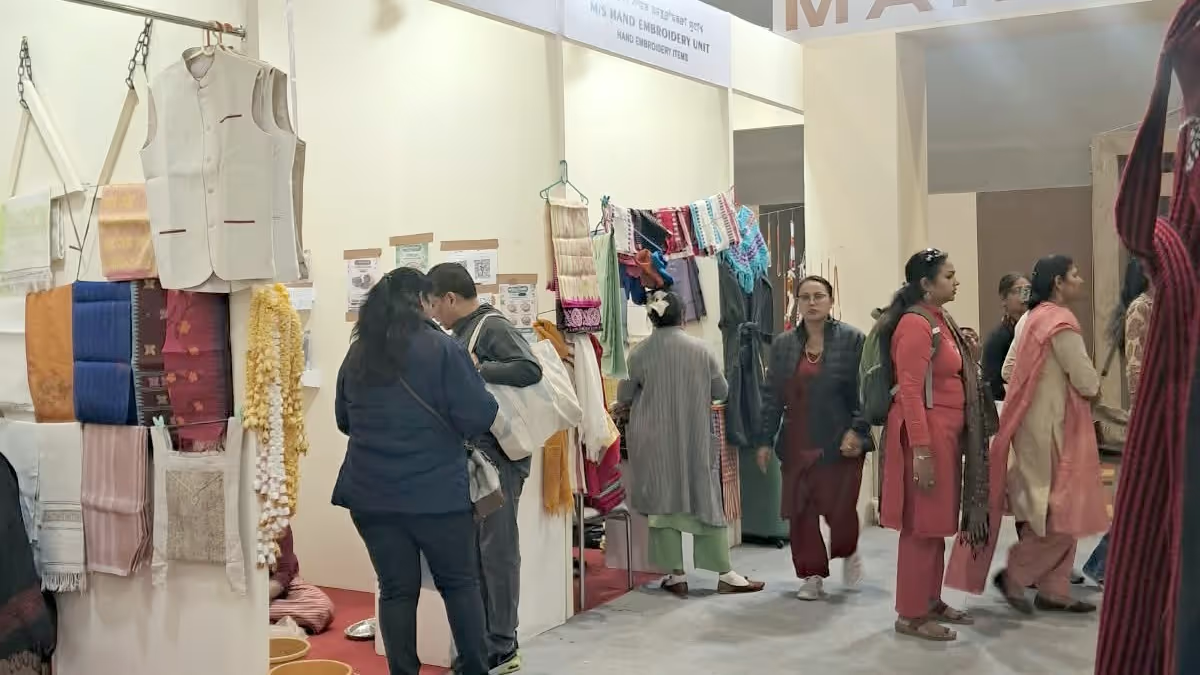
The trade exposition, which concluded on November 27, featured eighteen dedicated stalls housed within the Manipur Pavilion on the first floor of Hall Number 2. Participating craftspeople, handloom weavers, and agri-entrepreneurs utilized the venue to showcase an extensive variety of traditional and value-added merchandise. The fair provided an accessible platform for small-scale producers to reach thousands of urban consumers.
Traditional textiles and handloom garments constituted one of the most profitable segments for exhibitors throughout the fair. Stallholders reported brisk sales of signature Manipuri attire, including phanek wraparounds, delicate innaphi scarves, and fabrics bearing traditional Moirang Phee patterns. Local silk products and ethnic tribal textiles also generated consistent interest among fashion enthusiasts and textile collectors.
Handicraft stalls similarly recorded active consumer interest, spotlighting the state's skilled craftsmanship and sustainable raw materials. Displays included functional and decorative items woven from cane, bamboo, and Kouna water reed, which appealed to environmentally conscious shoppers. Traditional black pottery from the state also drew steady attention from domestic and international visitors seeking unique home decor pieces.
The state's agro-horticultural and organic food products formed another major pillar of the pavilion's commercial performance. Shoppers showed particular enthusiasm for Chak-hao, Manipur's celebrated aromatic black rice, which has gained increasing recognition across Indian health food markets. Participating food processors also reported strong turnover for indigenous spices, fruit preserves, and fermented bamboo shoot preparations.
The exhibition was held under the overarching theme of "Vikas aur Virasat," highlighting the convergence of sustainable economic progress and traditional heritage. A key highlight of the fortnight was the celebration of Manipur Day on November 17, which included traditional folk performances and textile presentations at the Bharat Mandapam amphitheatre. The cultural programming helped channel substantial foot traffic toward the state's commercial exhibits.
The financial turnover achieved in New Delhi offers a notable economic boost for participating artisans and rural cooperatives. Direct trade at the national fair enabled micro-enterprises to sell directly to consumers without the friction of intermediary distributors. This direct exposure allowed participants to capture higher profit margins while gaining immediate feedback on consumer preferences outside the northeastern region.
In addition to on-the-spot retail transactions, exhibitors leveraged the international platform to build broader commercial networks. Several stallholders fielded preliminary wholesale and business-to-business inquiries from institutional buyers and boutique retail stores looking to source authentic regional goods. These commercial leads offer the potential for sustained order pipelines extending well beyond the duration of the event.
Following the close of the fair, state commerce officials and exhibitor associations are expected to review overall performance data and assist participating enterprises with subsequent order fulfillment. The robust turnout and sales figures reaffirm solid national demand for Manipur's artisanal heritage and natural products. For the state's small producers, the fortnight in the capital demonstrated that authentic regional craftsmanship retains strong commercial viability in competitive markets.
Primary source: Google News Manipur. Newzly rewrites and structures source reporting for clarity; verify critical details at the original.