Manu Joseph Examines Indian Middle-Class Privilege and Caste in Provocative Study of Inequality
In an unsparing critique of Indian society, author Manu Joseph questions why deep economic divides persist without violent upheaval, confronting urban middle-class double standards, caste, and political realities.
In this piece
Author Manu Joseph's provocative examination of Indian poverty and middle-class hypocrisy has reignited intense debate on social inequality and caste dynamics.…
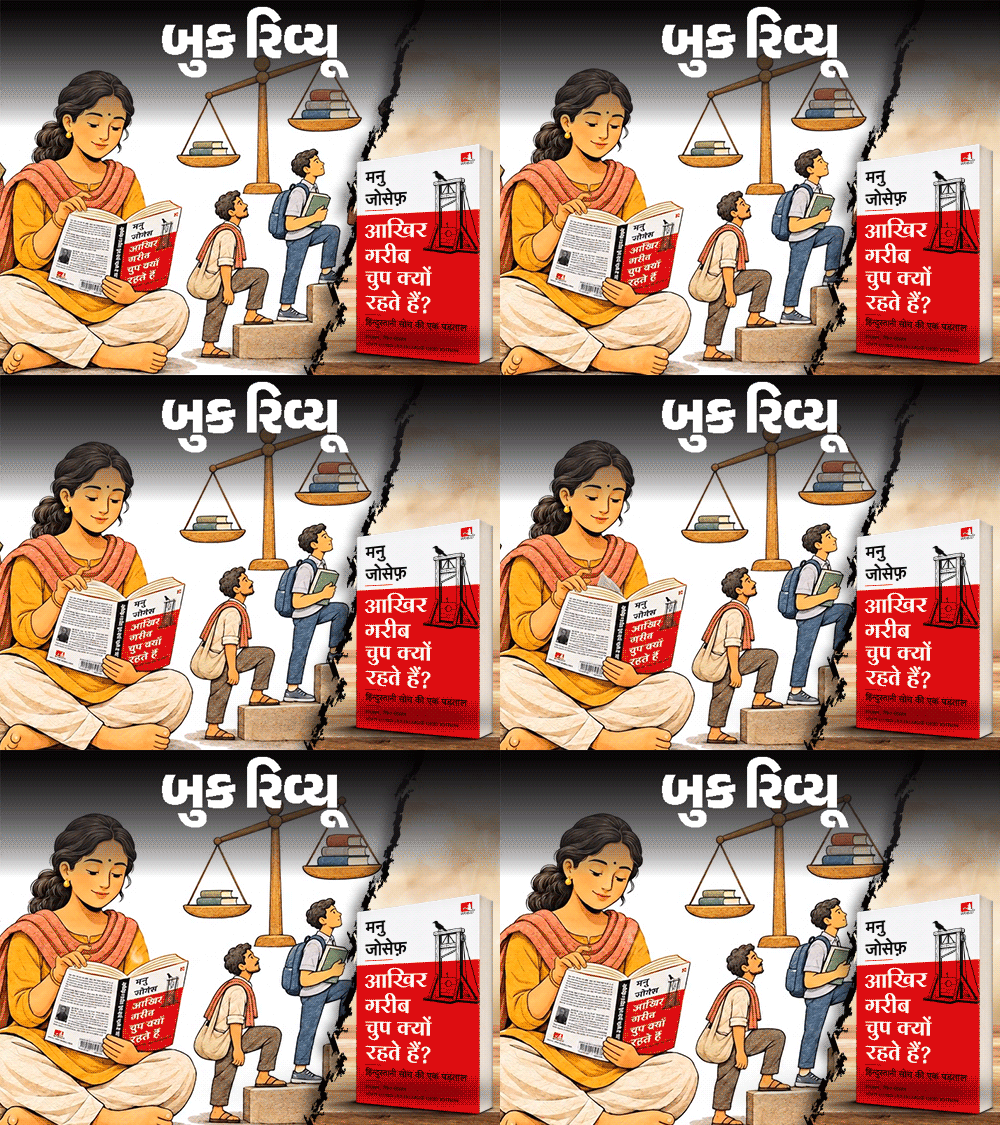
Author and journalist Manu Joseph has sparked widespread literary and cultural debate with his sharp examination of Indian social hierarchy, taking aim at middle-class privilege, caste dynamics, and the psychology behind economic inequality in India. In his non-fiction work examining why the impoverished do not revolt, Joseph dissects the daily contradictions underpinning urban Indian society.
The inquiry centers on a provocative question regarding how extreme wealth disparities persist alongside everyday peace across Indian cities. Joseph challenges conventional sociological narratives by asking why millions living in harsh poverty, who constantly witness affluent lifestyles up close, do not rise up against the privileged classes.
Central to this critique is an unflinching look at the urban middle and upper-middle classes, who often perceive themselves as modest while relying heavily on low-cost labor. The work highlights how affluent households benefit from domestic workers, drivers, and service staff while maintaining an emotional detachment from the structural realities of those workers' lives.
Joseph emphasizes that economic division in India cannot be separated from intricate structures of caste, religion, and regional identity. Rather than coalescing into a single unified class consciousness, individuals navigate layered identities that distribute social allegiances and diffuse collective economic grievances.
In examining marginalized communities, the commentary avoids treating the poor purely as passive recipients of charity or pity. Echoing themes from his earlier fiction, including the acclaimed novel Serious Men, Joseph observes how individuals across lower economic strata employ pragmatism, sharp survival instincts, and political awareness to navigate an unequal playing field.
The analysis also scrutinizes liberal and middle-class sympathy, portraying selective compassion as a convenient posture that rarely demands personal sacrifice. Privileged circles frequently discuss inequality and social justice without acknowledging how their own social capital, inherited advantages, and professional networks perpetuate the status quo.
The release and discussion surrounding Joseph's arguments have drawn contrasting reactions across Indian intellectual circles. Supporters praise the writing for dismantling self-serving urban illusions with dark humor and unsparing realism, calling it a necessary corrective to patronizing cultural tropes.
Conversely, critics argue that framing systemic deprivation through psychological coping mechanisms risks downplaying deep-rooted institutional neglect and state responsibility. Detractors contend that attributing the lack of rebellion to cultural endurance oversimplifies historic socio-political movements and the continuous struggle for constitutional rights.
As discussions around the work unfold across literary forums and review columns, Joseph's intervention reinforces how deeply contested the narratives of Indian economic mobility remain. Observers note that while the analysis provokes discomfort, it compels middle-class readers to confront their complicity in the societal divide they routinely overlook.
Primary source: Divya Bhaskar Lifestyle. Newzly rewrites and structures source reporting for clarity; verify critical details at the original.