Maryland Bay Bridge Travel Alert Mistakenly Directs Drivers to Phone Sex Hotline
An emergency travel alert issued during severe weather on Maryland's Chesapeake Bay Bridge erroneously published the contact number for an adult entertainment hotline instead of transportation updates.
In this piece
An official travel advisory intended to guide Maryland motorists across the Chesapeake Bay Bridge mistakenly included the phone number for a commercial adult…
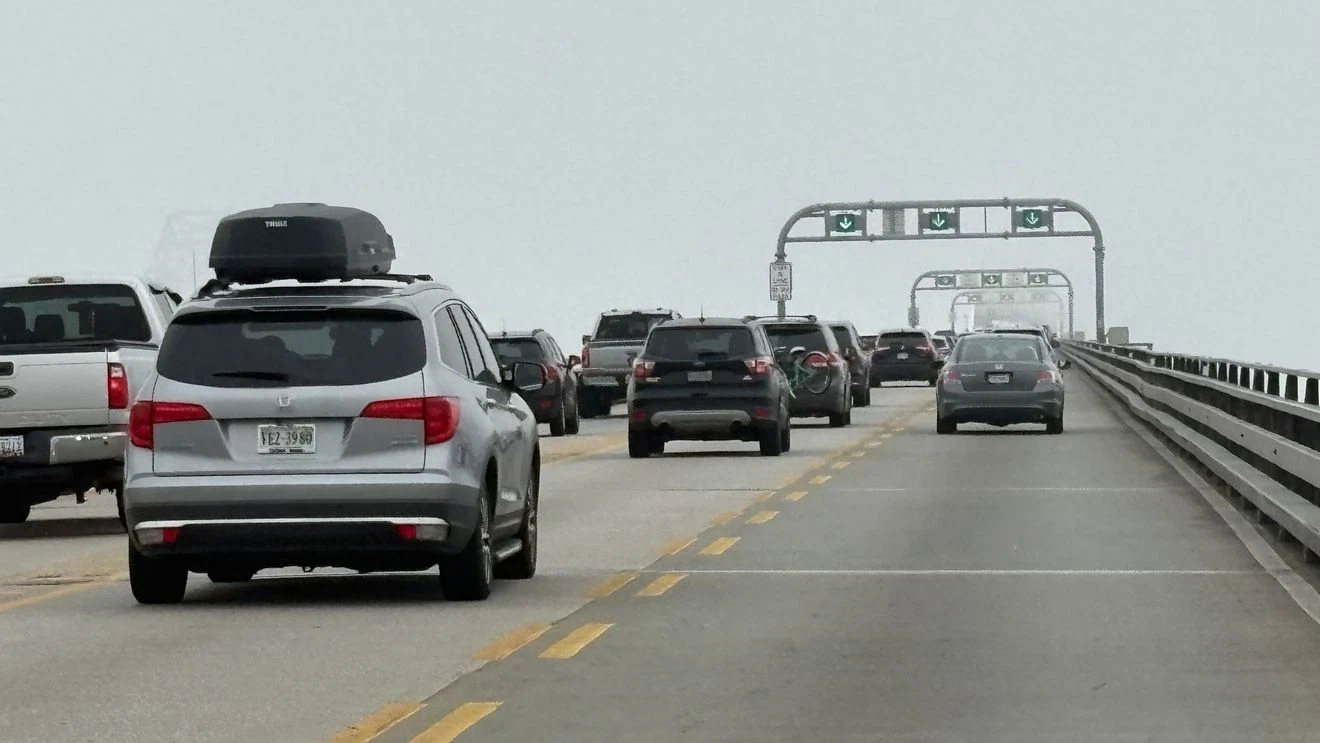
Motorists seeking traffic updates on Maryland's Chesapeake Bay Bridge were met with an unexpected greeting after an official emergency alert mistakenly broadcast the telephone number of an adult entertainment hotline. The notification, distributed to drivers navigating severe weather and bridge travel restrictions, quickly drew widespread attention after callers dialed the listed number expecting road conditions and instead reached a commercial phone sex service. The mix-up occurred as state agencies coordinated travel warnings for travelers crossing the major body of water.
The erroneous message was issued to provide vital travel information regarding bridge closures and high-wind safety protocols across the twin-span structure. According to local reporting from Baltimore television station WBFF and The Baltimore Sun, the dispatch directed drivers to a contact number intended for official transit inquiries, but an errant digit altered the destination entirely. Callers following the alert's explicit guidance found themselves routed far from transportation dispatchers.
Rather than hearing automated updates on bridge conditions, detour routes, or wind restrictions, individuals who dialed the published contact line were greeted by an explicit prompt advertising commercial adult telephone services. The stark contrast between a critical public safety advisory and a paid phone sex hotline prompted immediate reactions ranging from bewilderment to public amusement. Screenshots and audio recordings of the mishap circulated rapidly across regional commuter groups and social media platforms.
State authorities moved quickly to contain the embarrassment and correct the public record once travelers alerted agencies to the discrepancy. Transportation representatives acknowledged the incident as an unfortunate typographical error, moving rapidly to scrub the incorrect contact details and recirculate verified telephone lines and digital resources for drivers. Officials emphasized that corrective steps were implemented to ensure travelers received accurate routing advice.
The William Preston Lane Jr. Memorial Bridge, commonly known as the Chesapeake Bay Bridge, serves as a vital economic and transit link connecting Maryland's western shore with the Eastern Shore. Because the structure spans more than four miles over open water, it is exceptionally vulnerable to hazardous wind gusts and coastal storms, frequently requiring lane closures, vehicle restrictions, or full traffic holds during turbulent weather events. Motorists routinely rely on official notices to decide whether to attempt the crossing or seek alternate routes around the bay.
During periods of severe weather, regional transit agencies depend heavily on automated emergency alerts, digital variable message signs, and highway advisory networks to guide tens of thousands of drivers. Timely and accurate contact information is considered essential for long-haul truckers and local commuters alike, who need authoritative guidance on whether high-profile vehicles are barred from the deck. When these critical communication pipelines fail, driver confidence and traffic management can both suffer immediate setbacks.
While the hotline mix-up generated widespread humor and viral headlines, transit analysts point out that communications lapses during severe weather events can carry serious real-world consequences. Unclear or misdirected instructions can cause hesitation among drivers, leading to secondary bottlenecks along approach corridors and diversion routes. In worst-case scenarios, confused travelers may attempt dangerous crossings or congest local feeder roads without knowing when bridge lanes will reopen.
Public safety specialists noted that emergency dissemination systems often require rapid coordination between transit authorities and emergency management agencies, creating potential friction points under tight deadlines. When operators draft urgent bulletins under rapidly changing weather conditions, a single transposed digit or unverified cut-and-paste entry can slip past routine editorial checks. Experts suggest that automated validation tools and strict dual-authorization protocols are vital to catch typographical mistakes before notifications reach millions of mobile devices.
In the aftermath of the blunder, regional transportation and emergency officials have initiated reviews of their message verification protocols to prevent similar embarrassments in future public safety broadcasts. Authorities reiterated that travelers seeking real-time conditions should rely on verified state transit portals, the official 511 travel information line, and authorized mobile applications. As review procedures are tightened, state agencies face the ongoing task of ensuring that urgent travel notices remain both dependable and free of unexpected detours.
Primary source: Google News Maryland. Newzly rewrites and structures source reporting for clarity; verify critical details at the original.