Meghalaya Named Among World's Top Travel Destinations for 2027
The northeastern Indian state of Meghalaya has earned global recognition as one of the world’s top travel destinations for 2027, praised for its living root bridges, community homestays, and sustainable tourism model.
In this piece
Meghalaya has been named one of the premier global destinations for 2027 in international travel rankings reported by Time Out Worldwide. Celebrated as the only…
The northeastern Indian state of Meghalaya has earned widespread international acclaim after being selected among the premier global travel destinations to visit in 2027. The recognition, spotlighted by global lifestyle and travel publication Time Out Worldwide, highlights the state's inclusion as the sole Indian destination on BBC Travel's annual roster of top international locations. The honor underscores Meghalaya's rising profile as an international hub for authentic, environmentally conscious travel.
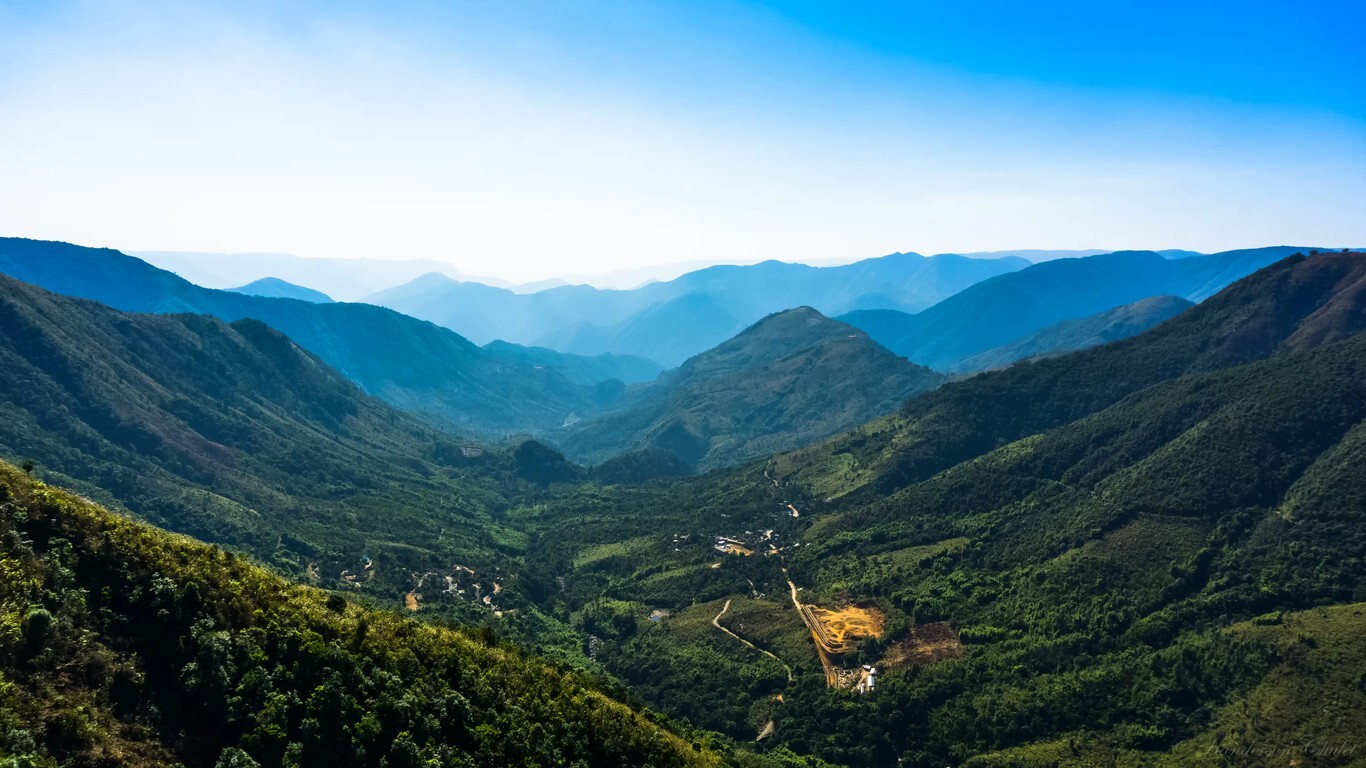
Known poetically as the "Abode of Clouds," Meghalaya secured its place on the global ranking primarily due to its longstanding commitment to community-led tourism and conservation. International travel editors commended the state for preserving its pristine landscapes while offering visitors meaningful immersion into local traditions. The selection reflects a broader shift among global travelers away from overcrowded tourist hotspots and toward regenerative, nature-centric experiences.
Central to the state's international appeal are its centuries-old living root bridges, locally known as Jingkieng Jri. Handcrafted by indigenous Khasi and Jaintia communities over generations, the bridges are woven from the aerial roots of rubber fig trees across raging monsoon streams. These living architectural marvels have increasingly drawn global scientific and cultural admiration as prime examples of sustainable bioengineering that grow stronger with age.
Beyond its iconic root bridges, Meghalaya offers diverse ecological sanctuaries that continue to capture the attention of nature enthusiasts. Sites such as the Nokrek Biosphere Reserve in the West Garo Hills protect critical biodiversity, including rare citrus species and endangered wildlife. Meanwhile, the ancient Mawphlang sacred grove preserves centuries of untouched flora under strict traditional conservation practices maintained by local clans.
The state capital, Shillong, often referred to as the "Scotland of the East," serves as an energetic gateway blending colonial architecture with contemporary artistic expression. Renowned for its passionate music scene and café culture, the city draws thousands of visitors each autumn for the annual Shillong Cherry Blossom Festival. Time Out and international travel observers have noted the festival's recent expansion into larger permanent venues as evidence of the state's evolving cultural infrastructure.
The global endorsement carries substantial weight for Meghalaya's local economy, which has deliberately built its tourism strategy around grassroots empowerment. Rather than prioritizing large commercial resort developments, the state emphasizes village homestays and community-managed ecological attractions. This approach ensures that revenue generated from international and domestic travelers flows directly into rural households while safeguarding delicate ecosystems from overtourism.
In anticipation of rising visitor interest leading up to 2027, regional authorities and local communities have been upgrading vital travel infrastructure. State initiatives include expanding and standardizing approximately 1,000 community-run homestays to provide authentic hospitality while maintaining quality standards. Digital transport platforms, such as the MeghGo mobility initiative, are also being rolled out to make remote highland destinations more accessible to independent travelers.
The timing of this international acclaim aligns strategically with Meghalaya's broader development goals, including preparations to host the upcoming 39th National Games. Regional officials anticipate that international travel honors will amplify interest in the state's offbeat trekking circuits, limestone cave networks, and crystalline waterways like the Umngot River in Dawki. The collective exposure positions the state to attract higher-value, eco-conscious visitors from across the globe over the next several years.
As travel trends increasingly favor sustainability, cultural preservation, and unique natural geography, Meghalaya stands as an emerging model for responsible tourism in South Asia. Travel analysts and local stakeholders emphasize that maintaining the delicate equilibrium between conservation and tourism growth will remain essential as 2027 approaches. With its distinctive living bridges and community-driven vision, the state is poised to welcome the world on its own thoughtful terms.
Primary source: Google News Meghalaya. Newzly rewrites and structures source reporting for clarity; verify critical details at the original.