world·Meghalaya·East Khasi Hills District
Meghalaya’s Traditional Food Wisdom Takes Centre Stage at FSSAI Summit in Shillong
The Food Safety and Standards Authority of India highlighted Meghalaya’s indigenous culinary heritage in Shillong, launching a national framework aimed at integrating traditional food wisdom into modern sustainable diets.
In this piece
India’s food safety authority spotlighted Meghalaya’s traditional culinary systems during the inaugural Eat Sustainable Summit in Shillong. The two-day…
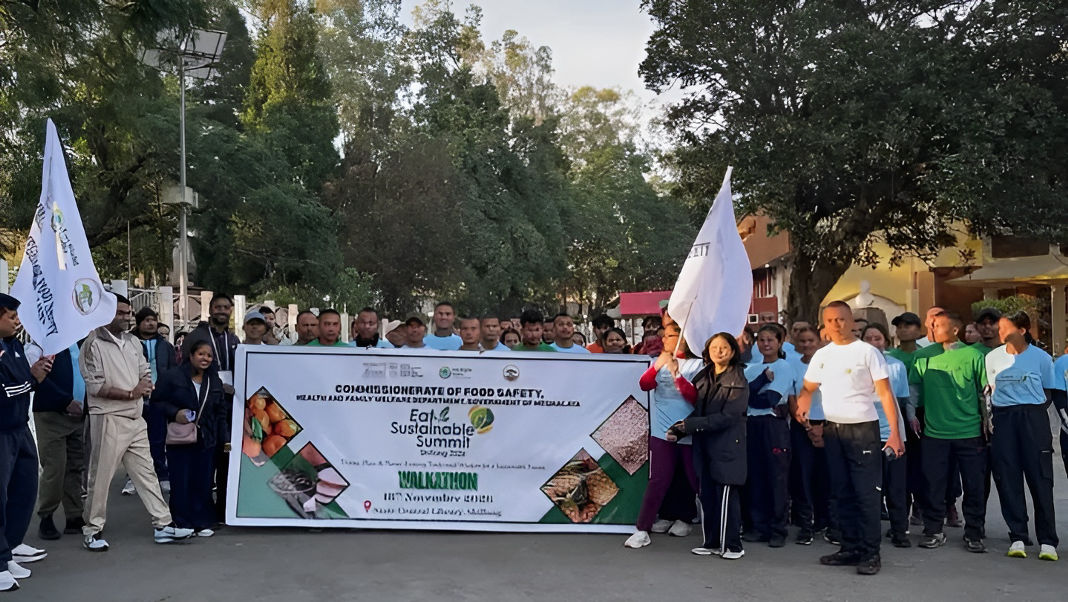
Meghalaya’s ancestral culinary traditions and agro-ecological heritage took centre stage at the inaugural Eat Sustainable Summit held in Shillong. Jointly organized by the Food Safety and Standards Authority of India and the Meghalaya Commissionerate of Food Safety, the national conference convened policymakers, food safety experts, researchers, and community leaders. The event highlighted how indigenous food practices can guide modern nutrition policies and promote ecological sustainability across the country.
Operating under the theme of connecting plate and planet through traditional wisdom, the summit focused on recalibrating food consumption habits in response to climate change and lifestyle diseases. Delegations explored how time-tested regional foodways offer practical solutions for food security and biodiversity preservation. Regulators noted that sustainable diets must be grounded in locally available, culturally relevant produce rather than standardized global models.
A central milestone of the conference was the unveiling of the Eat Sustainable Thematic Pillar Document. The policy framework establishes a seven-pillar roadmap designed to steer institutional initiatives across India’s food ecosystem toward responsible sourcing, waste reduction, and dietary diversity. Officials outlined plans to implement these guidelines across state food commissions, institutional cafeterias, and consumer awareness campaigns.
Throughout the summit, Meghalaya’s indigenous agriculture and food diversity received prominent attention. Displays and panel discussions examined traditional crops including red Khasi rice, finger millet, wild edibles, perilla seeds, and unprocessed hill honey. Experts noted that these staples possess high nutritional density while thriving without heavy chemical fertilizers or energy-intensive farming methods.
Participants also explored ancestral culinary techniques that minimize energy use and environmental disruption, such as bamboo-tube cooking and natural fermentation. Speakers drew symbolic connections between the region's living root bridges and sustainable dietary practices, pointing to both as enduring examples of human coexistence with nature. Meghalaya Health and Family Welfare Minister Wailadmiki Shylla emphasized that traditional wisdom should not be viewed merely as folklore, but as a scientific foundation for environmental stewardship.
The summit represents an expansion of the broader Eat Right India initiative, which originally focused heavily on food safety, hygiene, and reducing salt, sugar, and saturated fats. By incorporating sustainability into its institutional mandate, the regulator aims to tackle the ecological footprint of food production and distribution alongside public health goals. Officials underscored the necessity of bridging traditional agro-ecological knowledge with contemporary food safety regulations.
The discussions come amid increasing global and domestic scrutiny over food system resilience. Rapid urbanization, monoculture agriculture, and industrial food processing have displaced regional crops across India, raising rates of metabolic disorders while worsening environmental degradation. Experts at the summit cautioned that ignoring native food systems risks eroding both public health and genetic diversity in domestic agriculture.
Advocates at the gathering highlighted the economic opportunities that sustainable food frameworks offer to rural and tribal communities. By formalizing support for indigenous crops and clean processing methods, local farmers and self-help groups can access wider markets and command fair prices. Representatives argued that certifying and promoting native crops preserves rural livelihoods while strengthening regional food sovereignty.
Looking ahead, organizers stated that insights gathered during the Shillong summit will inform future regulatory standards, educational outreach, and state-level implementation plans. State departments are expected to pilot local sourcing guidelines and public awareness drives based on the seven-pillar framework in the coming months. As India navigates the dual pressures of climate volatility and nutritional security, leaders concluded that traditional regional knowledge will remain central to shaping durable food policies.
Primary source: Google News Meghalaya. Newzly rewrites and structures source reporting for clarity; verify critical details at the original.