Meghalaya Supports 8,000 Artistes Through Grassroots Music Project, CM Conrad Sangma Says
Meghalaya has supported roughly 8,000 local artists through its Grassroots Music Project, Chief Minister Conrad Sangma announced, outlining plans to transform the state into a global hub for original music and creative industry employment.
In this piece
Meghalaya Chief Minister Conrad Sangma announced that the state's Grassroots Music Project has benefited around 8,000 artists. Speaking at India International…
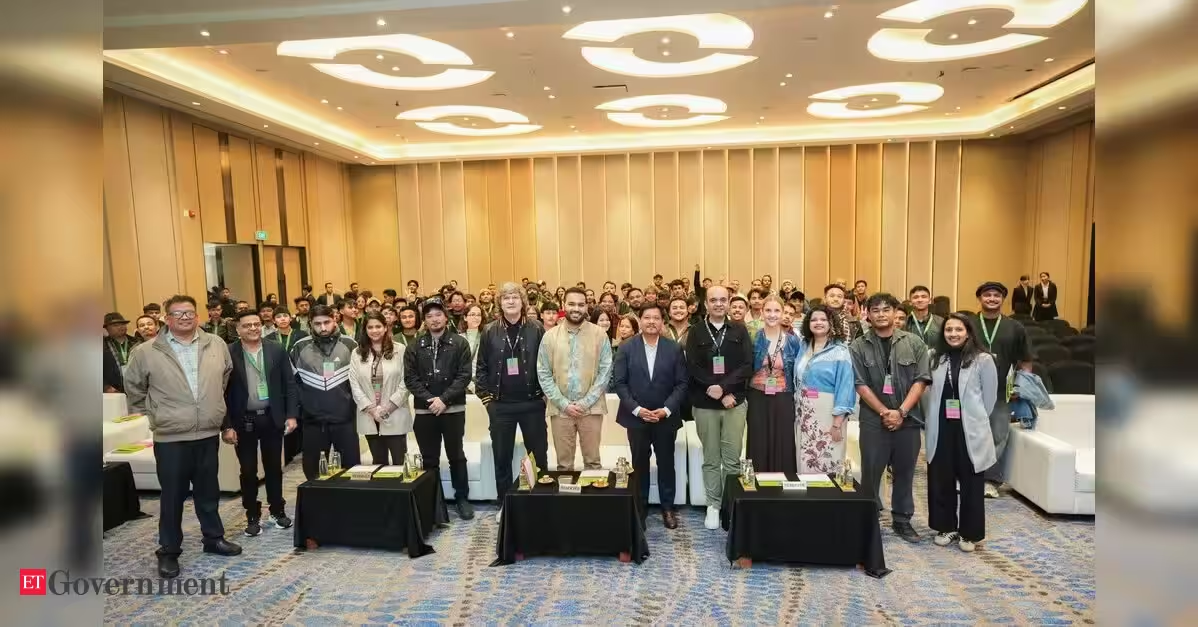
Meghalaya Chief Minister Conrad K. Sangma announced that the Meghalaya Grassroots Music Project has provided direct support to around 8,000 artists across the state. Sangma shared the figures during his address at the India International Music Week held in Shillong. The initiative was developed to bridge longstanding institutional gaps and offer consistent economic backing to local musical talent.
Under the project, musicians and performers receive structured opportunities to showcase their work in regular venues such as cafes, public squares, and cultural gatherings. State authorities noted that these platforms allow emerging creators to move beyond occasional gigs into more dependable creative employment. The administration has positioned the program as a core pillar of its broader youth engagement and creative economy strategy.
During his speech, Sangma emphasized the state's vision to transition Meghalaya from a conventional cover-band performance culture into an incubator for original compositions. While local musicians have earned national acclaim for reproducing Western rock and pop classics, officials are now seeking to foster indigenous songwriting and production. Sangma stressed that developing original intellectual property is vital for long-term commercial viability.
The grassroots project has expanded its economic footprint beyond individual stage performers to touch adjacent creative professions. Officials indicated that the initiative has generated steady work for sound engineers, stage technicians, hospitality workers, and event managers throughout the region. By organizing scheduled performances across urban and rural spots, the administration aims to stimulate local commercial activity alongside the arts.
Shillong has long enjoyed a reputation as the rock music capital of India, drawing music tourists from across South Asia. State planners are working to convert that historic cultural affinity into formal industry infrastructure that can compete globally. Sangma remarked that sustained institutional investments are necessary to unlock the full creative capacity of the state's youthful demographic.
To back up the ongoing grassroots performances, the Meghalaya government has outlined plans for upgraded music infrastructure. These measures include establishing professional recording studios and accredited music training centers to hone technical skills. Government representatives stated that providing access to high-end equipment will ensure regional musicians can meet international production standards.
The administration is also forging partnerships with major entertainment industry stakeholders and national music bodies to create export channels for regional talent. Gatherings such as India International Music Week are designed to connect northeastern musicians with label executives, promoters, and festival curators. State policymakers believe that these networking avenues will help local artists reach national and international audiences.
The music initiative also functions as an integral component of Meghalaya's sustainable tourism roadmap. By staging live performances at popular tourist destinations, the government aims to enhance the visitor experience while directly directing tourism revenue to community artists. State leaders maintain that combining cultural preservation with tourism infrastructure strengthens local livelihoods and pride.
Looking forward, Sangma reaffirmed that the state government will continue expanding the reach of the grassroots music model into more remote areas of the state. Future phases are slated to incorporate mentorship programs and grant mechanisms aimed at preserving indigenous musical heritage alongside modern genres. The state administration anticipates that sustaining this support will firmly establish Meghalaya as a self-sustaining center of global music commerce.
Primary source: Google News Meghalaya. Newzly rewrites and structures source reporting for clarity; verify critical details at the original.