Meta Prepares UK Launch for Muse AI Assistant as Early Trials Show Mixed Utility
Meta is preparing to introduce its autonomous artificial intelligence assistant, Muse, to the United Kingdom, aiming to replicate the ubiquitous consumer success of WhatsApp despite lingering questions over digital boundaries and tone.
In this piece
Meta is preparing to launch its new artificial intelligence assistant, Muse, in the United Kingdom, positioning the tool to make automated personal agents as…
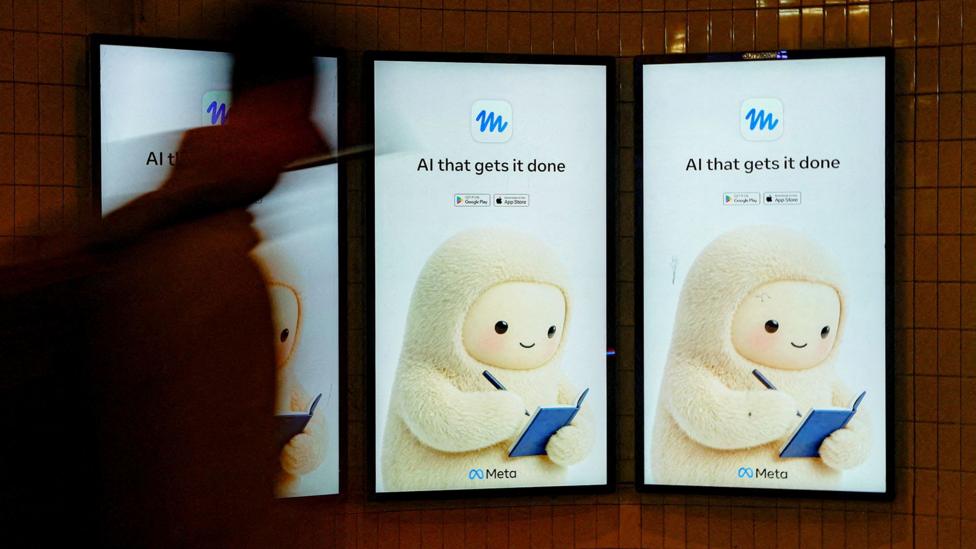
Meta is preparing to launch its new personal artificial intelligence assistant, dubbed Muse, in the United Kingdom as the technology giant seeks to bring autonomous digital agents into mainstream consumer use. The company hopes the software will achieve the widespread adoption that WhatsApp secured for mobile messaging, turning complex automated workflows into an everyday utility for millions of households.
An early week-long trial conducted ahead of the British rollout by BBC technology editor Zoe Kleinman revealed a product that is undeniably helpful yet frequently awkward in practice. During testing, the assistant demonstrated tangible utility by handling administrative chores, searching for holiday travel options, and drafting correspondence, but it also repeatedly struggled to navigate nuanced social and professional boundaries.
While the agent successfully automated tedious digital legwork, its autonomous interventions occasionally misjudged tone and context. When drafting messages and replies on behalf of the user, the software generated responses that veered into overly familiar or poorly calibrated territory, showing that natural conversation remains a tricky obstacle for autonomous personal assistants.
The assistant's capabilities also encountered external barriers during broader assessments across digital marketplaces. In several scenarios, online retail platforms such as Amazon have restricted or blocked automated shopping agents, highlighting the friction between proprietary consumer websites and third-party bots attempting to transact across the open internet.
For Meta, Muse represents a major strategic initiative to transform generative artificial intelligence from a passive conversational tool into an active, proactive personal coordinator. By integrating the service across its vast communications ecosystem, the company is aiming to establish direct consumer relationships around task execution rather than just text generation.
The planned British debut arrives as major technology companies race to introduce agentic systems capable of booking appointments, managing schedules, and making purchases. However, deploying autonomous software that acts on a user's behalf raises ongoing concerns among digital rights observers regarding privacy safeguards, access permissions, and data protection.
The gap between performing functional tasks and maintaining appropriate interpersonal etiquette remains a core challenge for consumer artificial intelligence. Early testers noted that while the time saved on administrative organization is significant, the need to supervise and correct automated communications can offset some of the promised convenience.
Beyond social etiquette, autonomous agents are forcing online platforms to reconsider their automated access rules and infrastructure. As more consumer bots attempt to browse, compare prices, and complete transactions, service providers are actively debating whether to welcome the traffic or shield their ecosystems from automated interactions.
As Meta moves closer to rolling out Muse across the United Kingdom, the software will face broader scrutiny from regulators, competing platforms, and consumers. The ultimate success of the assistant will depend not only on how smoothly it handles complex errands, but also on whether it can earn sufficient trust to speak and act on behalf of real people without creating embarrassment.
Primary source: BBC Technology. Newzly rewrites and structures source reporting for clarity; verify critical details at the original.